
How To
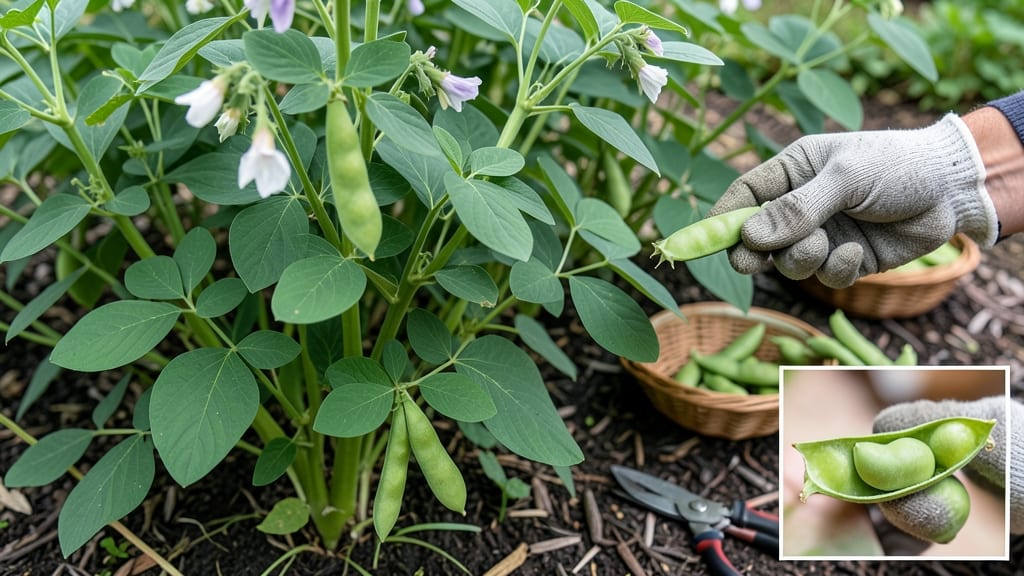
Harvesting edamame beans at the right time turns a simple garden task into a flavor explosion 🌱—because waiting even a day too long means bitter, dry pods instead of sweet, tender ones.
Picture this: you’ve nurtured your edamame plants all season, and now the pods are swelling with promise. But how do you know exactly when to pick them? The answer lies in their size, color, and texture—details most gardeners overlook until it’s too late.
In this guide, I’ll break down the visual cues that signal peak ripeness, from pod length to color shifts, and share the weekly harvest schedule that keeps your plants productive. No more guesswork—just homegrown edamame that tastes like a high-end restaurant dish.
You’ll also learn how to test pods for doneness with a simple three-step method, adjust for your climate, and even store unharvested pods to extend your harvest window. Ready to turn your garden into a soybean sweet spot?
Edamame pod size & color: the exact visual cues for perfect harvest timing
Harvesting edamame at the right moment transforms your garden into a flavor factory. The difference between crisp, sweet pods and woody, bitter beans often comes down to two simple visual checks: pod size and color.
Miss these cues, and you’ll either pick underripe beans that taste bland or overripe pods that turn mealy. Let’s break down the exact measurements and color shifts to time your harvest like a pro.
First, focus on pod length—this is your primary indicator. Ideal edamame pods should measure between 1 to 2 inches long, slightly swollen but not stretched thin. If your pods are shorter than 1 inch, they’re still maturing and lack the full flavor profile.
Conversely, pods longer than 2.5 inches signal over-maturity, where the beans inside start to dry out and lose their signature sweetness.
Color is your secondary cue, and it’s where many gardeners trip up. Fresh edamame pods should be a vibrant solid green, like a lime freshly squeezed from a tree. As pods mature past their prime, they develop yellow or brown patches, especially near the stem. These color shifts mean the beans inside are hardening and losing moisture—your window for peak harvest has closed.
Here’s where climate plays a role: In hot, dry climates (like USDA Zones 8-10), pods mature faster and may turn yellow within 70-80 days after planting. In cooler regions (Zones 4-6), you’ll have 80-90 days before color cues signal over-ripeness.
Always check pods every 2-3 days during peak harvest season to avoid missing the sweet spot.
🌱
One common mistake is assuming all edamame varieties mature at the same rate. Early-maturing varieties (like ‘Enrei’) may be ready in 60 days, while late-season types (such as ‘Black Turtle Soya’) take 90 days.
Always check your seed packet for days-to-maturity and adjust your harvest schedule accordingly. For example, if you planted ‘Enrei’ in early May, start scouting for 1-2 inch pods in late June.
Another pro tip: Harvest in the morning when pods are cool and crisp. This timing preserves texture and sweetness better than harvesting in the heat of the day. Use sharp pruning shears or scissors to snip pods at the stem—never pull them off, as this can damage the plant.
Aim to harvest every 2-3 days during peak production to encourage more pods to develop.
Watch for these red flags that signal you’ve waited too long: pods that split open on their own, beans that rattle inside, or leaves yellowing while pods turn brown. At this stage, the beans are past their prime and won’t recover.
If you miss the window, you can still shell the beans for fermented or dried uses, but they’ll lack the fresh, garden-fresh sweetness you’re after.
For gardeners in short-season climates (like Zone 5), focus on early-maturing varieties and prioritize harvesting before the first frost. In warmer zones (like Zone 9), you may get two harvest cycles per year—one in spring and another in fall.
Always monitor your plants closely, as temperature fluctuations can speed up or slow down maturation.
🌿
How to test edamame ripeness: the 3-Step taste & texture check method
Testing edamame ripeness isn’t just about guessing—it’s a sensory science that combines visual cues, texture checks, and even a quick taste test. I’ve learned the hard way that harvesting too early means mealy beans, while waiting too long turns them bitter and dry.
The good news? With these three simple steps, you’ll never miss peak flavor again.
Start by examining the pod shell. Ready-to-harvest pods should feel firm but slightly yielding when gently squeezed—like a ripe avocado. If they’re rock-hard, they’re underripe; if they’re papery or cracking, you’ve waited too long. This tactile test is your first clue to perfect timing.
🌱 numbered highlights
Press gently—firm but yielding means ready. Rock-hard = underripe; papery = overripe.
Split open a pod—plump green seeds filling the pod are perfect. Shriveled seeds = too late.
Sample a raw seed—sweet and crisp = harvest now. Bitter or mealy = adjust timing next time.
Next, crack open a pod to inspect the seed development. At peak ripeness, the seeds should be plump, bright green, and filling the pod completely. If they’re still small or shriveled, wait 2-3 days. This internal check is your most reliable indicator—no guessing required.
For the final verdict, try a raw taste test (yes, really!). Pop a seed into your mouth—if it’s sweet and crisp, you’ve nailed the timing. Bitter?
You’ve waited too long. Mealy? You harvested too early. This step might seem odd, but it’s the fastest way to confirm doneness without damaging your plants.
Adjust your harvest frequency based on plant productivity. High-yielding varieties may produce new pods every 3-5 days, while slower growers need 7-10 days between harvests. Always pick in the morning when pods are coolest for the best flavor and texture.
Remember: edamame’s sweetness peaks at 70-80% maturity. Waiting for full maturity means sacrificing flavor for yield. With these three tests, you’ll harvest at the perfect moment—every single time. Now go enjoy that restaurant-quality taste straight from your garden!