
How To
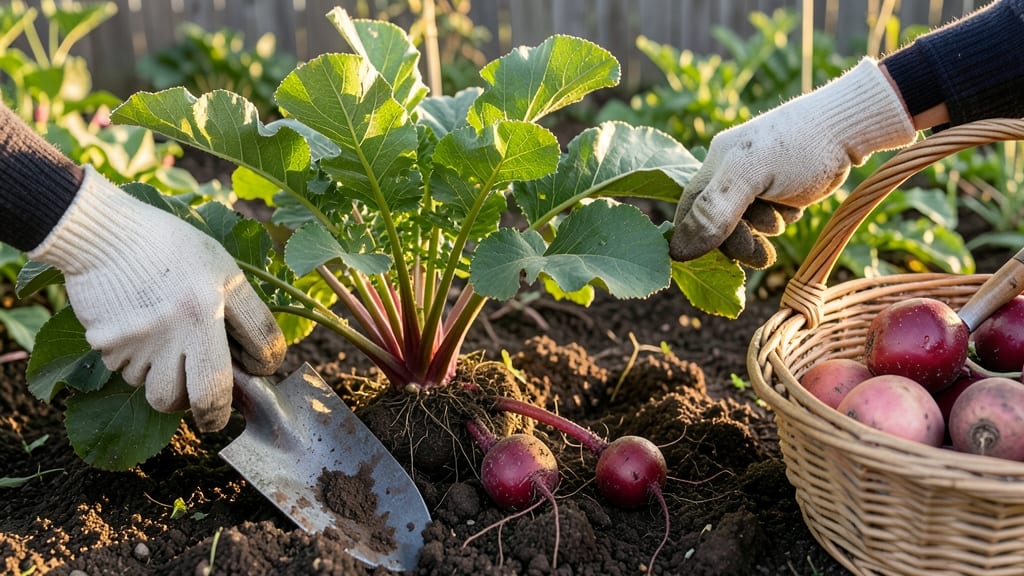
Knowing when to harvest beetroot 🍠 means the difference between a sweet, tender root and one that’s tough or bitter—so timing is everything.
Picture this: you’ve been watching your beet greens grow, but how do you know the roots are ready? Pull them too early, and they’re small and underdeveloped.
Wait too long, and they turn woody or split. The key is catching them at the perfect moment, when size, color, and soil conditions all align.
In this guide, I’ll walk you through the three foolproof signs your beetroot is harvest-ready—from leaf size to root diameter—and how to adjust for your climate, whether you’re in zone 6a or beyond.
You’ll also learn how to test soil resistance, spot common mistakes (like overwatering or poor drainage), and even harvest baby beetroot for salads when they’re just 1-2 inches wide.
3 Key visual signs your beetroot is ready for harvest
Harvesting beetroot at the perfect moment transforms your garden into a treasure trove of sweet, tender roots. Many gardeners struggle with timing—pulling them too early results in small, underdeveloped roots, while waiting too long leads to tough, woody textures.
The key lies in observing three visual cues: leaf size, stem color, and root shape. These signs work together to tell you when your beetroot is at its peak flavor and texture.
First, let’s address a common mistake: relying solely on days since planting. While beetroot typically matures in 60-75 days, environmental factors like soil temperature and moisture can shift this timeline.
Instead, focus on what you can see above and below the soil. The three foolproof indicators below will help you avoid bitter, fibrous roots and ensure your harvest is a success.
🌱 Numbered Highlights: How to Know When to Harvest Beetroot
- 1. Leaf Size: 4-6 inches tall with 3-5 mature leaves. Smaller leaves mean the root isn’t fully developed yet.
- 2. Stem Color: Deep, consistent color (red, gold, or purple) with no green streaks. Pale stems indicate immaturity.
- 3. Root Shape: 1-3 inches in diameter with a firm, rounded shape. Press gently—if the skin resists, it’s ready!
Pro Tip: Avoid harvesting when soil is waterlogged or overly dry—this stresses the plant and affects flavor.
Let’s break down each of these signs in more detail. Starting with leaf size, your beetroot’s foliage is like a growth report card. When the leaves reach 4-6 inches tall and have 3-5 mature leaves, the root below is likely at its sweetest.
I’ve found that varieties like ‘Detroit Dark Red’ often show this readiness around 60 days, while heirlooms like ‘Chioggia’ may take a few extra days due to their striped patterns.
Next, pay close attention to the stem color. Mature beetroot stems should be deep and uniform in color—whether that’s vibrant red, golden yellow, or rich purple. If you notice green streaks or pale patches, the root isn’t fully developed yet.
This is especially important for striped varieties, which can trick you into thinking they’re ready when they’re not. For example, ‘Candy Stripes’ beetroot needs those stripes to fully develop, so wait until the color is vivid.
The third and most critical sign is the root shape and firmness. Gently loosen the soil around the base of the plant and check the root’s size. It should be 1-3 inches in diameter—about the size of a baseball.
Press your thumb against the skin: if it resists slightly but doesn’t dent, the beetroot is ready. Overly soft roots are underripe, while roots that feel hard or woody have passed their prime. This test is my go-to method for avoiding tough, fibrous beetroot.
One common mistake I see is waiting until the leaves start to yellow or wilt. By this point, the root has likely become tough and less flavorful. Instead, harvest just as the leaves reach their peak size and color.
Another pitfall is harvesting in extreme heat or drought, which can cause the roots to split or develop a bitter taste. Always aim for consistent moisture leading up to harvest day.
For gardeners in cooler climates, timing is even more critical. Beetroot grows slower in temperatures below 60°F (15°C), so monitor the visual cues closely.
In my zone 6a garden, I often harvest in late May or early June for spring plantings, while summer plantings are ready by October. Keep a small notebook to track your beetroot’s progress—note the days to maturity and adjust future plantings accordingly.
Finally, don’t forget about baby beetroot if you’re growing varieties like ‘Babybeat’. These can be harvested as small as 1 inch in diameter when the leaves are just 2-3 inches tall.
Baby beetroot is perfect for salads and quick cooking, but full-sized beetroot will give you that deep, earthy flavor ideal for roasting or pickling. Always check the variety’s description to know whether you’re growing for size or speed.
By mastering these three visual signs—leaf size, stem color, and root shape—you’ll never again miss the perfect harvest window. The next time you’re kneeling in your garden, take a moment to inspect these details.
Your taste buds (and your dinner guests) will thank you for the sweet, tender beetroot you’ll bring to the table. Happy harvesting! 🌱
When to harvest baby beetroot vs. full-sized beetroot: size and soil tests
Deciding whether to harvest your beetroot as baby greens or full-sized roots depends on your goals—tender salad bites or hearty roasted roots. The key lies in root diameter, soil resistance, and leaf maturity.
Baby beetroot, perfect for raw dishes, should be harvested when roots reach 1-2 inches wide, while mature beetroot for roasting or boiling should be 2.5-3.5 inches in diameter.
Don’t rely on days after planting alone—soil conditions and variety play a huge role. For example, Detroit Dark Red matures faster than Chioggia, which stays tender longer. The finger test is your best friend: gently press the soil around the beet.
If the root resists slightly but doesn’t feel rock-hard, it’s ready. Overly soft soil means underdeveloped roots, while firm resistance signals maturity.
| Factor | Baby Beetroot (Salad) | Full-Sized Beetroot (Roasting) |
|---|---|---|
| Root Diameter | 1–2 inches | 2.5–3.5 inches |
| Leaf Height | 4–6 inches | 6–12 inches |
| Soil Resistance | Slightly yielding | Firm but not hard |
| Days to Harvest | 45–55 days | 60–75 days |
| Best For | Salads, pickling | Roasting, boiling |
For baby beetroot, harvest when the leaves are 4–6 inches tall and roots are golf-ball sized. Use a small trowel to loosen soil gently—never pull by the greens, or you’ll damage the root.
If you’re growing Chioggia or Golden Beets, these varieties stay tender longer, so you can harvest slightly later without sacrificing sweetness.
Full-sized beetroot should have deep, consistent color and a smooth, unblemished skin. If the roots feel rock-hard when pressed, they’ve overmatured and may develop a woody texture.
In hot climates (zones 8+), beetroot matures faster—check soil moisture closely to avoid splitting. A light mulch layer helps maintain even moisture and prevents stress cracks.
Pro tip: Harvest on a cool morning when soil is moist but not soggy. This reduces stress on the plant and keeps roots crisp.
Store harvested beetroot in the fridge for up to 2 weeks, but baby beetroot stays fresh for only 5–7 days—use them quickly for the best texture and flavor.
If you’re unsure, dig up one test beetroot from the center of the bed. Cut it open: a creamy white core means it’s ready, while a green ring signals it needs more time. Adjust future harvests based on this test to nail the perfect size every time! 🌱