
How To
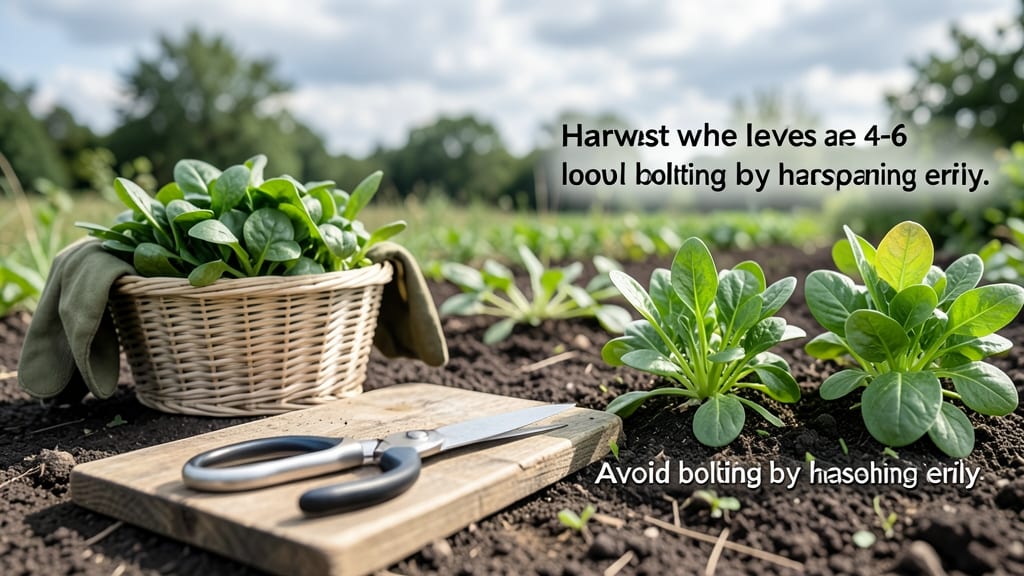
Knowing when to harvest spinach means picking it at the peak of tenderness—before it turns tough or bitter, which happens faster than you think.
Picture this: you’ve nurtured your 🌱 spinach for weeks, and now the outer leaves are reaching 4-6 inches long, while the inner ones stay small and sweet. That’s your cue—but how do you tell for sure?
The answer lies in a simple size check, a quick taste test, and avoiding common mistakes that ruin the harvest.
Harvesting at the right time isn’t just about size; it’s about texture and flavor. Crisp, dark green leaves with a slight snap when pulled are the gold standard. But wait too long, and you’ll end up with fibrous, bolted plants that taste like nothing but disappointment.
In this guide, I’ll walk you through the exact signs to look for—from leaf measurements to the foolproof taste test—and share pro tips to keep your spinach producing all season long.
Spinach harvesting by leaf size: exact measurements for perfect taste
Harvesting spinach at the right leaf size transforms your garden from fibrous disappointment to tender perfection. The key? Knowing when those dark green leaves hit their ideal dimensions—whether you're growing baby spinach or full-sized varieties.
For loose-leaf types, like 'Baby's Leaf Hybrid,' aim for 2-4 inch leaves for baby spinach, while bunching varieties like 'Bloomsdale Long Standing' should reach 4-6 inches before harvesting.
Why size matters: Smaller leaves (under 2 inches) are too delicate and lack flavor, while oversized leaves (over 6 inches) become bitter and tough. The rib thickness is another clue—thin ribs signal tender spinach, while thick, woody ribs mean it's past its prime.
Even the leaf curl pattern changes: tight curls indicate youth, while flat, broad leaves are ready for harvest.
| Leaf Type | Height (inches) | Width (inches) | Rib Thickness | Leaf Curl | Flavor Profile |
|---|---|---|---|---|---|
| Baby Spinach (Loose-Leaf) | 2-4 | 1.5-3 | Thin | Tight curls | Sweet, mild |
| Mature Spinach (Loose-Leaf) | 4-6 | 3-5 | Moderate | Flat, broad | Rich, earthy |
| Baby Spinach (Bunching) | 3-5 | 2-4 | Thin | Loose curls | Crisp, sweet |
| Mature Spinach (Bunching) | 5-7 | 4-6 | Thicker | Flat, wrinkled | Bold, slightly bitter |
📏 Harvest Tip: Use a ruler to measure leaves—precision prevents overgrowth!
For loose-leaf spinach, you can harvest individual leaves as they reach size, leaving the center growth to keep producing.
This method extends your harvest by 3-4 weeks compared to cutting the whole plant. Bunching varieties, however, should be harvested all at once when the outer leaves hit 5-7 inches, as they don’t regrow well after cutting.
Pay attention to the leaf color too—deep green is ideal, but yellowing edges or reddish veins signal stress or bolting (when the plant flowers).
If your spinach is growing in hot weather (above 80°F), it may bolt faster, so prioritize harvesting younger leaves to avoid bitterness. Cooler temperatures (50-70°F) slow growth, giving you more time to harvest at the perfect size.
One trick I use is the "thumb test": pinch a leaf between your thumb and forefinger. If it feels soft and slightly springy, it’s ready. If it crushes easily, it’s overmature; if it resists, harvest sooner.
This works especially well for savoy spinach varieties, which have crinkled leaves—the deeper the crinkles, the more tender they are when young.
Seasonal timing also affects leaf size. In spring, spinach grows faster due to longer daylight hours, so check leaves every 3-5 days. In fall, cooler temps slow growth, so you can wait 7-10 days longer before harvesting.
Always harvest in the morning when leaves are firm and hydrated, never in the afternoon heat, which can wilt them.
If you’re growing spinach in containers, size matters even more because space is limited. Aim for har
Taste test method: 3-Step process to confirm spinach readiness
When your spinach plants reach the 4-6 inch mark, it’s time for the ultimate test: the taste test. This foolproof method combines visual cues, texture checks, and a quick flavor evaluation to ensure you harvest at peak tenderness.
I’ve used this process for years in my garden, and it’s saved me from bitter, overmature leaves more times than I can count.
The key is balancing size, texture, and flavor. A leaf that looks perfect might still taste tough if it’s slightly overripe, while a smaller leaf could be just as delicious.
This method cuts through the guesswork, giving you confidence in every harvest. Let’s break it down into three simple steps that even beginners can master.
🌱 3-Step Taste Test for Perfect Spinach
-
Step 1: Leaf Size Check
Measure outer leaves—4-6 inches is ideal. Use your thumb and forefinger to gauge width (about 3-4 inches wide). Inner leaves should stay smaller than 3 inches for continuous harvests. -
Step 2: Stem Snap Test
Gently pull a leaf—it should snap cleanly near the base. If it resists or tears, it’s not ready. For loose-leaf varieties, this confirms tenderness; for bunching types, check the whole plant. -
Step 3: Flavor Test
Taste a small piece! Sweet, crisp, and mild means harvest time. If it’s bitter or fibrous, wait 2-3 days. Overmature leaves can sometimes be revived by soaking in ice water for 10 minutes to soften texture.
Pro Tip: Harvest in the morning after dew dries—leaves are crispest then.
One common mistake I see is waiting until leaves are too large (over 6 inches) or letting the plant bolt (send up flower stalks). Both ruin flavor and texture.
If you’ve missed the window, don’t panic—overmature leaves can often be revived by trimming the tough parts and using them in cooked dishes where texture matters less.
For continuous harvests, always leave the inner leaves (under 3 inches) to keep the plant producing. I’ve had spinach plants last 6-8 weeks in my garden using this method, yielding tender leaves the entire season. The secret? Consistency—check your plants every 2-3 days during peak growth (spring/fall).
Remember, spinach is cool-weather loving, so adjust your timing based on your USDA zone. In hotter months, harvest earlier in the day to avoid bolting from heat stress. With these three steps, you’ll never second-guess your spinach harvest again—just crisp, flavorful greens every time. ✂️🌿