
How To
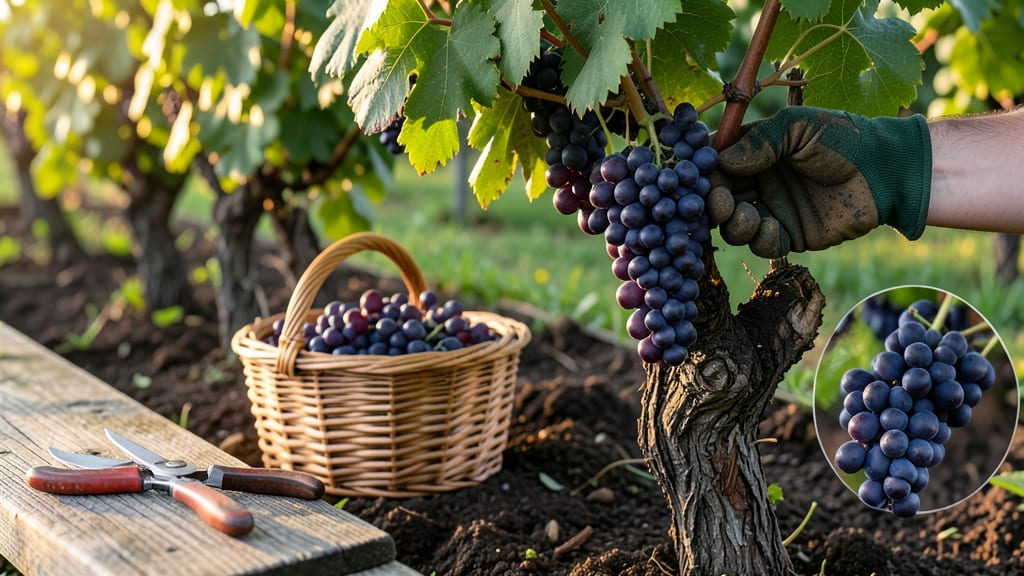
Harvesting Concord grapes at the right time means the difference between juicy, flavorful clusters and mealy, overripe disappointment — and the key is knowing when to pull the trigger.
Picture this: you’ve waited all season for your 🍇 vines to ripen, only to pick them too early for jelly or too late for wine, leaving you with a batch that’s either tart or fermented.
The good news? A simple color-stem test takes the guesswork out of timing, ensuring you nail that sweet spot every harvest.
In USDA Zone 6, where most home gardeners grow Concord grapes, the ideal window falls between mid-August and early September, but heatwaves or cool spells can shift that timeline.
Below, I’ll walk you through the exact cues to watch for — from stem color to sugar levels — so you never miss peak ripeness again.
You’ll also learn how to use a refractometer for precise sugar readings, when to adjust for regional variations, and post-harvest care tips to keep your grapes fresh for weeks. Let’s get those vines producing like pros!
The color-stem test: how to check Concord grapes for perfect harvest timing
Harvesting Concord grapes at the right moment transforms your vineyard into a flavor powerhouse. The color-stem test is my go-to method for pinpointing peak ripeness—where deep purple skin meets brown stems and perfect sugar balance.
Miss this window, and you risk underripe tartness or overripe mushiness, both of which ruin jelly, wine, or fresh eating. Let’s break down the exact cues to watch for.
First, understand that Concord grapes ripen from the inside out. The berry color shifts from green to a rich purple-blue hue, but don’t rely solely on color—this is where the stem test saves the day.
The stem should snap easily when bent, not tear or pull away from the grape. This indicates the fruit is fully mature and ready for harvest. If the stem resists or feels rubbery, your grapes need more time on the vine.
Here’s the step-by-step process I use every harvest season to ensure I never miss the perfect moment:
Grapes should be deep purple-blue all over. Press a grape gently—if it’s still green underneath, wait 3-5 days.
Gently bend the stem near the grape. If it snaps cleanly, the grape is ready. If it tears or resists, wait 2-3 more days.
Squeeze a grape gently. It should feel firm but slightly yielding, not mushy or hard. Overripe grapes crush easily and leak juice.
Pick a cluster sample. All grapes should be similar in size and color. Uneven ripening means some grapes need more time.
Use a refractometer to check Brix levels. Ideal range for Concord grapes is 18-22 Brix. Below 18? Wait a few more days.
Environmental factors can throw off your timing. For example, hot, dry weather speeds up ripening, while cool, cloudy spells slow it down. If your grapes are ripening faster than expected, harvest earlier to avoid sunburn or bird damage.
Conversely, if the weather turns cool, give them extra time—they’ll need it to reach full sweetness.
One mistake I’ve seen gardeners make is harvesting based solely on berry color. Some grapes stay green even when ripe, especially in shady spots or high-density clusters. That’s why the stem test is non-negotiable—it’s the foolproof way to confirm ripeness.
Pro tip: Harvest on a cool morning after dew has dried. This ensures grapes are at their peak sugar content and less likely to bruise.
Once you’ve confirmed ripeness, act fast. Concord grapes continue to ripen slightly after picking, but they also start breaking down. Store them in a single layer in the fridge for up to 5 days if you’re not processing them immediately.
For long-term storage, freeze them whole or make jelly/juice within 24-48 hours to preserve flavor and texture.
Remember, the color-stem test isn’t just about timing—it’s about quality. When you nail it, your Concord grapes will deliver bold, sweet-tart flavor that’s perfect for everything from fresh snacks to homemade wine. Now grab your pruners and get ready to harvest like a pro! 🍇
Best time of day and season to harvest Concord grapes for maximum juice
Timing your Concord grape harvest isn’t just about waiting for purple color—it’s about capturing the perfect sugar-to-acid balance when juice potential peaks. In USDA Zone 6, the ideal window spans mid-August to early September, but regional weather shifts that timeline dramatically.
For example, cooler zones like Zone 5 may harvest 1-2 weeks later, while warmer Zone 7+ vines often ripen 2 weeks earlier.
Morning harvests (between 8 AM and 10 AM) yield grapes with the highest sugar content because overnight cooling preserves natural sweetness. Avoid picking after midday heat, as grapes lose moisture and concentrate sugars unevenly.
If you’re making wine, harvest slightly later (when stems brown) for deeper flavors, but jelly makers should pick 1-2 days earlier for brighter acidity.
🚨 KEY FACTORS TO MONITOR:
- Temperature: Ideal harvest temps are 70-80°F (cooler mornings > 85°F heat)
- Sunlight: Full sun exposure (6+ hours) boosts sugar levels
- Humidity: Low humidity (<60%) reduces fungal risk during harvest
| Condition | Optimal Specification | Adjustment Tips |
|---|---|---|
| Season (Zone 6) | Mid-August to early September | Zone 5: +1-2 weeks | Zone 7+: -1-2 weeks |
| Time of Day | 8 AM - 10 AM (coolest part) | Avoid post-noon heat (sugar loss risk) |
| Temperature | 70-80°F (21-27°C) | Below 60°F? Wait 3-5 days | Above 90°F? Harvest earlier |
| Sunlight Hours | 6+ hours direct sun | Partial shade? Sugar levels drop by 15-20% |
| Humidity | Below 60% | High humidity? Harvest in morning + dry clusters immediately |
| Sugar Content | 18-22 Brix (use refractometer) | Below 18? Wait 2-3 days | Above 24? Risk of overripe |
Heatwaves can fool you into thinking grapes are ripe when they’re actually stressed and sugar-concentrated. If temps hit 95°F+ for 3+ days, test sugar levels with a refractometer—grapes may read 25+ Brix but taste harsh.
In cool spells (<60°F), grapes ripen slower; monitor stem browning (not color alone) as the truest maturity cue.
Pro tip: Harvest in batches if vines produce unevenly. Start with lower clusters (they ripen first) and work upward. Use pruning shears to avoid damaging stems, and store harvested grapes in single-layer trays in a cool (50-55°F), humid (85-90%) environment to slow sugar conversion.
For jelly, process within 3 days; for wine, ferment within 7 days.
🌱 REMEMBER: The color-stem test (deep purple + brown stems) beats guesswork every time. When in doubt, test one cluster—if it’s sweet and firm, the rest are ready too!