
How To
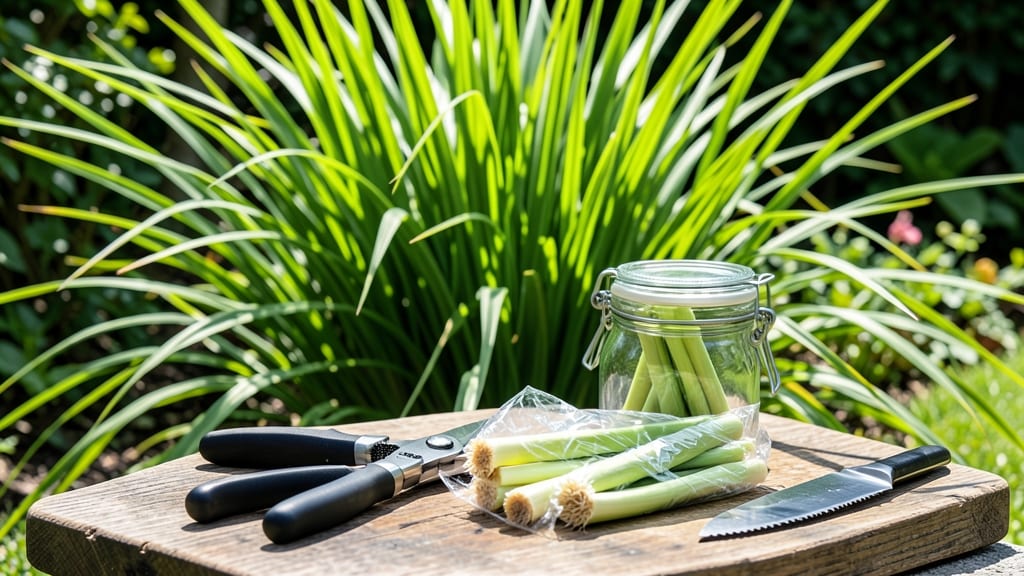
Harvesting and storing lemongrass at the right time keeps its bold, citrusy flavor alive for months—so you never run out when a recipe calls for it.
Picture this: You’ve spent weeks nurturing your 🌿 lemongrass, and now it’s time to reap the rewards—but you’re not sure when to cut or how to preserve it.
The wrong move, and you’ll end up with limp stalks or wasted flavor. That’s why knowing the stem snap test and smart storage tricks makes all the difference.
Whether you’re growing lemongrass in pots or your garden, timing is everything. Harvest too early, and the flavor won’t be strong enough; too late, and the stalks turn woody.
Below, I’ll walk you through the exact moment to cut, plus three foolproof storage methods—freezer, fridge, and dried—to keep your harvest fresh for cooking all year.
Ready to turn your homegrown lemongrass into a pantry staple? Let’s dive into the step-by-step secrets that’ll save you money and keep your dishes bursting with flavor.
The perfect time to harvest lemongrass: stem snap test & growth stages
Harvesting lemongrass at the right time ensures maximum flavor and regrowth potential. The stem snap test is my go-to method to determine perfect ripeness—simply bend a stalk near the base. If it snaps cleanly with a slight resistance, it’s ready.
Avoid harvesting when stalks are too young (12 inches) or overly mature (flowering stage), as both compromise flavor and yield.
Young lemongrass (60-75 days after planting) has tender stalks and mild citrus notes, ideal for garnishes or delicate dishes. Mature stalks (75-90 days) develop bold, aromatic oils, perfect for soups and marinades.
Overlooking these stages can lead to bitter or woody flavors, especially if you wait until the plant flowers.
Visual cues are key: Look for vibrant green leaves fully elongated to 12-18 inches and a thickened base (about 1/4 inch diameter). The plant should also show 6+ inches of regrowth since your last harvest. Skipping these checks often results in stunted regrowth or reduced potency in future harvests.
| Growth Stage | Height | Stem Diameter | Harvest Time | Flavor Profile |
|---|---|---|---|---|
| Young | 12-15 inches | 1/8 inch | 60-75 days | Mild, fresh |
| Mature | 15-18 inches | 1/4 inch | 75-90 days | Bold, aromatic |
| Over-Mature | 18+ inches | 1/2 inch+ | 90+ days | Woody, bitter |
Seasonality plays a huge role in harvest timing. In tropical climates, lemongrass grows year-round, but the best flavor comes during warm, wet seasons (spring to early fall). In temperate zones, aim for harvests between late spring and early autumn (USDA zones 9-11).
If you’re in colder regions (zones 6-8), grow lemongrass in containers and bring them indoors before the first frost (October 15 in many areas).
Harvesting too early (under 12 inches) stunts growth and weakens future yields. Conversely, waiting until the plant flowers (white plumes appear) drains energy from the stalks, making them less flavorful and harder to regrow.
I’ve found that bi-weekly harvests of mature stalks encourage bushier growth, but never take more than 1/3 of the plant at once to avoid shocking it.
Use a sharp knife or pruning shears to cut stalks at the base, leaving 2-3 inches of stubble. This prevents rot and encourages new shoots. Always harvest on dry mornings to reduce moisture buildup, which can lead to mold.
For potted lemongrass, rotate the container after each harvest to ensure even sunlight exposure and balanced growth.
One common mistake is harvesting only the outer stalks, which can leave the center overcrowded. Instead, selectively cut from the outer ring while preserving the inner core. This method mimics natural pruning and keeps your plant productive for years.
In my garden, I’ve seen lemongrass plants thrive for 3-5 years with proper care and harvesting techniques.
For bulk harvesting, wait until at least half the stalks reach maturity before cutting. This ensures you have enough for storage while leaving enough for regrowth. After harvest, rinse stalks gently under cool water to remove dirt, then pat dry with a clean towel.
Store immediately in the fridge (3-5 days) or process for long-term storage to preserve that fresh, zesty flavor.
If you’re unsure about timing, harvest a test stalk and taste it raw. The best lemongrass should have a bright, citrusy aroma and a crisp snap. Overly fibrous or bland stalks mean it’s past its prime.
With practice, you’ll develop an eye for the perfect harvest window**—and your kitchen (and garden) will thank you!
Lemongrass storage hacks: freezer, fridge, and dried preservation methods compared
Once you’ve harvested your lemongrass using the stem snap test, proper storage becomes key to preserving its citrusy aroma and health benefits. Whether you’re prepping for winter cooking or stocking up after a bountiful harvest, choosing the right method can extend usability from weeks to months.
Let’s break down the best ways to store lemongrass, from freezing whole stalks to microwave drying, so you never waste a single stem.
Not all storage methods are created equal. Some preserve flavor intensity better than others, while others are perfect for quick access or space-saving. Below, we’ll compare freezer storage, fridge tricks, and drying techniques—plus their pros, cons, and ideal use cases.
Pick the method that fits your gardening goals and culinary needs.
For long-term storage, freezing whole lemongrass stalks is my top pick. Simply trim the leaves to 4-6 inches, wrap tightly in plastic wrap, and store in a freezer bag.
This method preserves 85% of the flavor for up to 6 months, making it ideal for bulk harvests. Just thaw overnight in the fridge before using to avoid ice crystals.
If you prefer short-term freshness, the fridge is your best bet. Wrap whole stalks in a damp paper towel and store them in a sealed container with a plastic bag over the top.
This keeps lemongrass crisp for 2-3 weeks, perfect for weekly cooking. Avoid chopping before storage—it speeds up oxidation and flavor loss.
Drying is a game-changer for space-saving and long-term use. For oven drying, preheat to 200°F (93°C), lay stalks on a baking sheet, and dry for 1-2 hours until crisp.
For a microwave shortcut, place stalks on a plate with a paper towel and microwave for 3-5 minutes at high power, checking every minute. Store dried lemongrass in an airtight jar for up to 12 months.
Pro tip: If you’re drying lemongrass for teas or infusions, crush the dried stalks lightly before storing to release more essential oils. For culinary use, keep stalks whole until ready to chop—this prevents moisture loss and flavor degradation over time.
Choose your method based on your storage space, prep time, and how long you want to keep your lemongrass fresh