
Picking
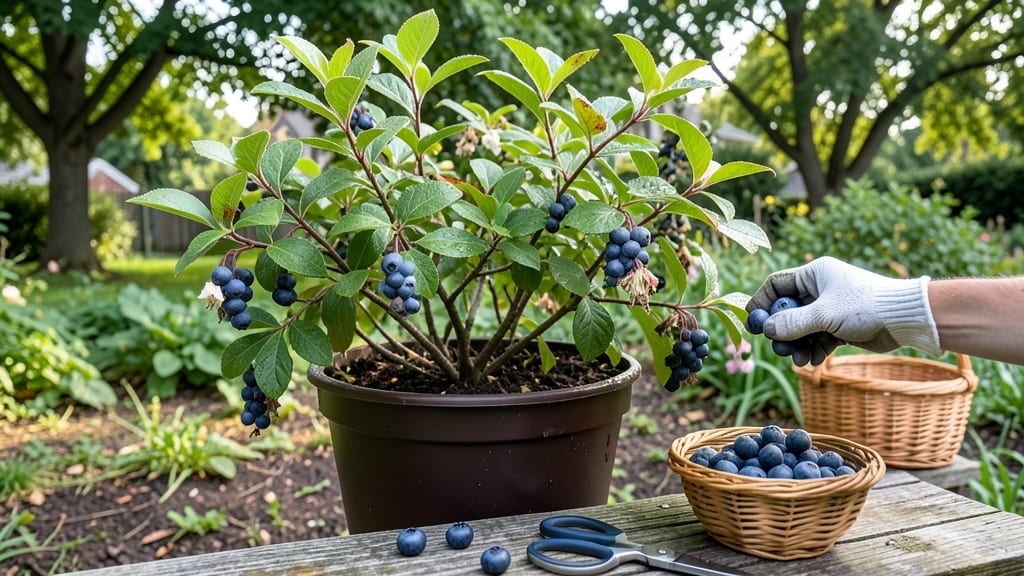
Harvesting blueberries at the right time turns tart little gems into sweet, juicy treats 🫐 — the difference between a meal-wreck and a dessert-winner.
Picking too early means you’ll end up with mealy, underripe fruit that tastes like disappointment. Wait too long, and birds or even the shrubs themselves will snatch them first.
The secret? Knowing when those deep blue berries are at their peak—firm but yielding, plump but not mushy—so you can enjoy the harvest you’ve worked for.
Timing depends on more than just color: soil pH, your local climate, and even the time of day all play a role.
In USDA Zone 6, where most home gardeners grow blueberries, the window opens in mid-summer, but the exact moment varies by variety—early-season types like ‘Duke’ may ripen in July, while latecomers like ‘Jersey’ hit their stride in August.
Below, I’ll walk you through the science-backed cues—from color shifts to the float test—plus how to adjust for your region and avoid common mistakes that turn sweet dreams into sour reality.
How to tell when blueberries are ripe for harvesting
Knowing exactly when to harvest blueberries can turn a tart, mealy disappointment into a burst of sweetness. The difference often lies in subtle visual and tactile clues that most gardeners miss.
Blueberries go through distinct color stages—from white flower buds to pale pink, then deep blue—and each phase signals a different level of ripeness. Ignoring these cues means risking underripe berries that lack flavor or overripe ones that attract pests and birds before you can pick them.
Climate plays a surprising role too. In cooler northern climates, blueberries may take longer to ripen, while warmer southern regions can accelerate the process. Even within the same zone, microclimates—like a sunny south-facing slope versus a shaded corner—can shift ripening by weeks.
By mastering these berry maturity signals and adjusting for your local conditions, you’ll maximize both yield and flavor every harvest season.
| Stage | Color | Firmness | Taste | Harvest Ready? |
|---|---|---|---|---|
| Flower Bud | White/Pink | Firm | Not applicable | No |
| Early Green | Green | Very firm | Bitter | No |
| Pink Stage | Reddish-purple | Firm but yielding | Tart | No |
| Early Blue | Light blue | Slightly soft | Sweet-tart | Almost |
| Deep Blue | Uniform deep blue | Plump, slight give | Sweet | Yes! |
| Overripe | Dark blue with grayish bloom | Mushy | Fermented | No |
The color transformation is your first clue. Early-season varieties like ‘Bluecrop’ start turning blue around mid-July in Zone 6, while late varieties like ‘Jersey’ may not ripen until August. Look for berries that are uniformly deep blue—not just a few scattered ones.
A white bloom (powdery coating) is normal and doesn’t affect ripeness, but avoid berries with a grayish tint, which signals overripeness.
Next, perform the gentle twist test. A perfectly ripe blueberry should detach easily from its stem with a slight twist—like unscrewing a jar lid. If the berry resists or the stem snaps, it’s not ready.
Overripe berries will crush under pressure or fall off with no effort. This tactile check is especially critical for mechanical harvesters, which can damage underripe fruit.
For the ultimate test, try the float test: Fill a bowl with water and drop a few berries inside. If they float, they’re underripe and still firm. If they sink, they’re ripe and ready to eat.
This trick works because ripe blueberries absorb more water, increasing their density. Pro tip: Use room-temperature water—cold water can give false results by slowing buoyancy.
Climate zones shift ripening windows dramatically. In USDA Zone 5, blueberries may not ripen until late August, while Zone 8 gardeners might see harvests as early as June.
Even within the same zone, elevation changes matter: Mountain gardens in Zone 6 can mimic Zone 4 timing, delaying harvest by 2-3 weeks. Pay attention to local frost dates too—early frosts can halt ripening mid-season.
Don’t overlook the berry
The role of soil pH and plant health in blueberry ripening
Blueberries thrive in acidic soil with a pH between 4.5 and 5.5—this isn’t just ideal, it’s essential for unlocking their sweetest flavors. When soil pH strays outside this range, blueberries struggle to absorb nutrients like iron and manganese, leading to pale leaves and underripe, tart fruit.
I’ve seen firsthand how a simple soil test can transform a disappointing harvest into a bounty of juicy, flavorful berries.
Your blueberry shrubs also signal when they’re stressed. Drought or pest pressure can delay ripening, while overwatering or fungal issues may speed it up—sometimes too fast, resulting in mealy, flavorless berries.
Even the time of year plays a role: early-season varieties like ‘Bluecrop’ may ripen faster in warm climates, while late-season types like ‘Patriot’ need cooler temps to sweeten properly.
⚠️ callout warning ⚠️
Waiting past peak ripeness risks bird damage and overripe berries that split open or ferment on the bush. Overripe blueberries develop a mushy texture and lose their signature sweet-tart balance, turning bland or even slightly bitter. Harvest within 24-48 hours of reaching full color to avoid waste—birds won’t wait!
Testing your soil’s pH is easier than you think. Grab a DIY pH test kit (available at garden centers for under $10) or use a vinegar and baking soda test: mix soil with water, add vinegar—if it fizzes, your pH is too alkaline.
For lower pH, amend with sulfur or peat moss in early spring. I’ve adjusted my soil from a pH of 6.2 to 5.0 over two seasons, and the difference in flavor? Night and day.
Plant health also dictates ripening speed. Stressed shrubs—from root rot or spider mites—may drop berries early, while well-fed plants with deep green leaves and plump stems produce fruit that ripens uniformly.
Mulch with pine needles or oak leaves to maintain acidity naturally, and avoid heavy-handed fertilizing in late summer, which can spur late-season growth that never matures.
Even the time of day you harvest matters. Pick berries in the morning after dew dries (around 8-10 AM) when sugars are at their peak.
I’ve noticed that berries picked in the heat of the afternoon often lose firmness faster and develop a soapy aftertaste—likely due to stress from high temperatures. Store harvested berries in the fridge for up to 5 days, but eat them fresh when possible for the best flavor.
For regional adjustments, Northern gardeners (USDA Zones 3-5) may see harvests delayed by 1-2 weeks due to cooler soils, while Southern growers (Zones 7-9) might face faster ripening in heat waves.
If your berries aren’t sweetening up, check for chlorosis (yellow leaves) or stunted growth—signs your soil or plant health needs attention before the next harvest season.