
How To
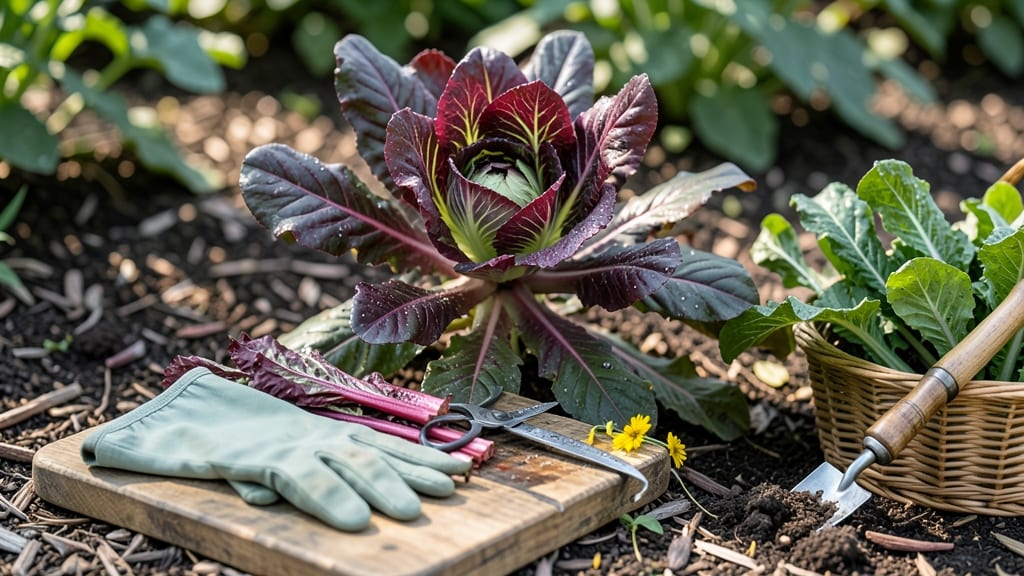
Harvest chicory when its leaves reach 6-8 inches long and snap crisply—this is the sweet spot for tender, flavorful greens that shine in salads.
Picture this: you’ve nurtured your 🌱 chicory for months, only to pull a leaf that’s tough as a boot or so bitter it ruins the dish. That’s the moment you realize timing matters more than you thought.
Leaf size isn’t the only clue—check the edges for a slight bitterness (that’s normal!) and avoid harvesting when leaves are still pale or too soft. Root chicory, on the other hand, waits until those thick, knobby roots hit 3-4 inches in diameter.
Below, I’ll walk you through the exact visual cues, seasonal tweaks for USDA Zone 6a, and how to keep your plants producing for weeks after the first cut.
How to identify the perfect chicory leaf size for harvesting
Harvesting chicory at the right leaf size ensures your salad greens are tender, flavorful, and free from bitterness. For leaf varieties like endive or radicchio, timing is everything—cut too early, and you’ll miss the crisp texture; wait too long, and the leaves become tough and bitter.
The ideal harvest window depends on leaf dimensions, color, and even spacing between leaves.
Young chicory leaves, often harvested for baby greens, should measure between 3–5 inches in length. These tender leaves are perfect for salads when they’re still pale green and barely bitter.
Mature leaves, however, reach 6–8 inches in length, with a deeper green hue and a slightly bitter edge—ideal for adding bold flavor to dishes. Pay close attention to the leaf spacing too; tightly packed leaves signal readiness for harvest.
| Stage | Leaf Size | Color | Texture | Harvest Tip |
|---|---|---|---|---|
| Baby Leaves | 3–5 inches | Pale green | Tender, soft | Use for microgreens or salads |
| Young Mature | 6–8 inches | Deep green | Crisp, slightly bitter | Best for salads and cooking |
| Overmature | 9+ inches | Dark green, tough | Tough, bitter | Avoid; may be too fibrous |
When inspecting chicory leaves, focus on the outer leaves first—they’re the most mature and ready for harvest. These leaves should be 6–8 inches long and have a deep green color with a slight curve.
The inner leaves, still tightly wrapped, will continue growing and can be left for future harvests. If the outer leaves feel crisp but not brittle, they’re perfect for cutting. A simple stem snap test works too: bend a leaf gently—if it snaps cleanly, it’s ready.
For radicchio varieties, the ideal harvest size is slightly larger, around 8–10 inches, due to their thicker, more robust leaves. These leaves develop a reddish-purple hue when fully mature, adding vibrant color to your dishes.
Avoid harvesting when the leaves are wilted or yellowing, as this indicates stress or disease. Always use clean, sharp scissors or pruning shears to cut leaves at the base, leaving about 1–2 inches of stem to encourage regrowth.
Spacing between leaves is another key indicator. Healthy chicory plants have leaves spaced 2–3 inches apart at the base. If leaves grow too close together, they compete for nutrients, leading to smaller, less flavorful harvests.
Thin out crowded leaves by removing the smallest ones to improve airflow and reduce disease risk. This also ensures the remaining leaves grow larger and more flavorful for your next harvest.
Environmental factors like sunlight and temperature can affect leaf size and readiness. Chicory thrives in cool weather (50–70°F) and full sun to partial shade. If your plants are in hotter climates, leaves may mature faster and become bitter sooner.
Monitor your plants closely during heatwaves and harvest slightly earlier if leaves start to yellow or curl. Conversely, in cooler climates, chicory may take longer to reach harvest size, so be patient and check leaf dimensions regularly.
One common mistake is waiting too long to harvest, assuming larger leaves mean better flavor. However, overmature leaves (9+ inches) often become woody and overly bitter, ruining the delicate taste you’re after. For continuous harvests, cut outer leaves first, allowing the inner leaves to grow and mature.
This method, called successive harvesting, ensures your chicory plant keeps producing tender, flavorful greens for weeks. Just remember: harvest in the morning when leaves are crisp and hydrated for the best texture.
To maximize your harvest, consider mulching around the base of your chicory plants to retain moisture and regulate soil temperature. A 2–3 inch layer of straw or shredded leaves works well. This practice also suppresses weeds, reducing competition for nutrients and helping your chicory leaves grow larger and healthier.
With the right leaf size and care, you’ll enjoy a steady supply of fresh, crisp chicory for salads, sandwiches, and more.
If you’re growing chicory for root harvest (like for coffee substitutes), the process differs entirely. For roots, wait until the leaves yellow and die back naturally, signaling the root is fully developed.
At this stage, the root should be 3–4 inches thick and ready for digging. But for leaf varieties, stick to the 6–8 inch rule—your salads will thank you!
The bitter edge test: how to check chicory ripeness before cutting
Chicory’s flavor profile changes dramatically as it matures, and the bitter edge test is your secret weapon to nail the perfect harvest window. This simple method helps you distinguish between mild, tender leaves and overly bitter ones that’ll ruin your salad.
The key? Focus on the leaf margins—where bitterness first develops.
Start by examining the outermost 1-2 inches of each leaf. Run your thumb along the edge: if it feels slightly rough or tastes mildly bitter (like a well-balanced radicchio), it’s ready.
But if the bitterness hits hard—almost medicinal—wait a few days. This test works best in the morning, when flavors are most concentrated.
Environmental factors like sun exposure and recent rainfall can skew your results. Chicory grown in full sun develops bitterness faster than shade-grown plants, while heavy rain dilutes flavors temporarily. Always test leaves after a dry, sunny day for the most accurate reading.
⚠️ WARNING: Harvesting Too Late or Too Early ⚠️
🌱
Seasonal timing matters too. In USDA Zone 6a, chicory planted in March-April hits peak harvest in June-July, while fall plantings yield best in September-October. Early harvests (before 60 days) give you tender, mild greens, while later cuts deliver the bold, caramelized flavors prized in cooked dishes.
To preserve your plant’s productivity, never cut more than ⅓ of the foliage at once. After harvesting, water deeply and fertilize lightly with a 5-10-10 blend to encourage regrowth. Chicory often rebounds with new, tender leaves within 2-3 weeks, giving you multiple harvests per season.
Remember: the bitter edge test is your quality control. When you master it, you’ll transform bitter greens into garden-fresh gems—ready to elevate any salad, soup, or roasted dish. Happy harvesting!
✂️