
How To
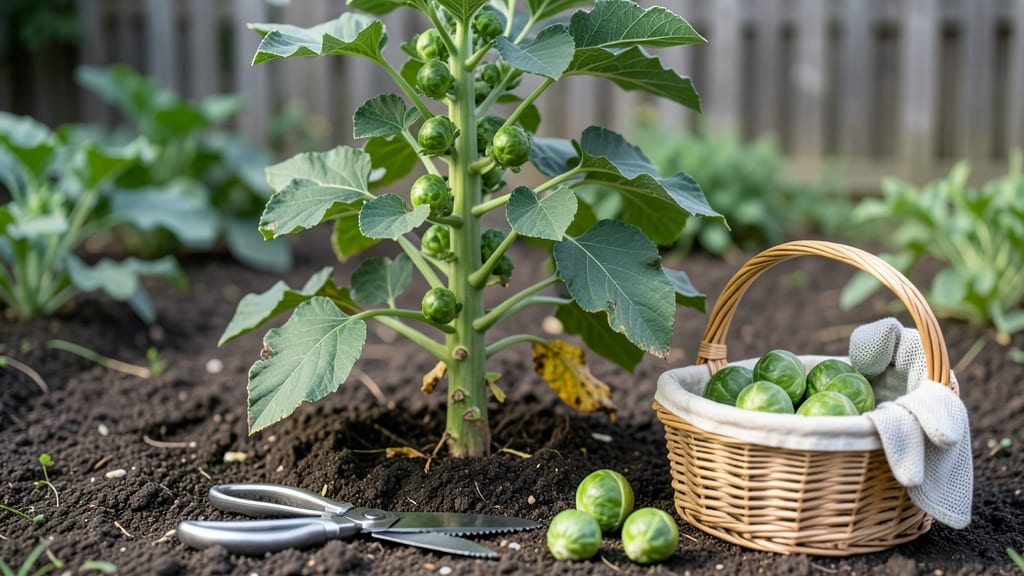
Harvesting Brussel sprouts 🥦 at the right time turns a bitter disappointment into sweet, tender perfection—typically between 90 and 120 days after planting, depending on your climate.
Picture this: you’ve nurtured your plants all season, only to pull a tiny, hard sprout or wait too long and end up with a woody mess. The difference between those two outcomes? Knowing when soil temperatures and plant signals align for peak flavor.
Brussel sprouts mature from the bottom up, so timing your harvest isn’t just about days—it’s about watching for 1- to 1.5-inch buds with deep, rich color and firm texture. Cooler fall weather actually sweetens them, but rush it, and you’ll miss the window entirely.
Below, I’ll walk you through the exact cues to watch for, how to space harvests to keep your plants producing, and climate tweaks to guarantee perfect sprouts every time—no guesswork required.
Brussel sprout growth stages and ideal harvest duration by days
Understanding the brussel sprout growth stages is key to harvesting sweet, tender sprouts instead of bitter, woody ones. From seedling to maturity, these cool-season crops follow a predictable timeline that correlates with plant height and visual maturity cues.
Most varieties reach harvest readiness between 60-120 days, but timing varies based on your climate and variety.
Your journey begins with seed germination, which typically occurs in 5-10 days when soil temperatures hover between 45°F-85°F. Once sprouted, seedlings enter the vegetative growth phase, where they develop their iconic tall, sturdy stems.
This phase lasts 4-6 weeks, with plants reaching 1-2 feet tall and developing the first small buds near the base.
| Stage | Days After Planting | Plant Height | Harvest Readiness |
|---|---|---|---|
| Seedling | 0-14 | 0-6 inches | Not ready |
| Vegetative Growth | 14-45 | 1-2 feet | Early buds forming |
| Bud Development | 45-75 | 2-3 feet | Lower buds ready |
| Maturity | 75-120 | 2-3 feet | Full harvest window |
The bud development stage begins around 45 days after planting, marked by the appearance of 1-inch diameter buds near the stem's base. This is when you'll notice the first color changes—from pale green to rich green, purple, or deep brown, depending on your variety.
During this phase, your plants will grow 1-2 feet taller, reaching their mature height of 2-3 feet.
At this point, the harvest window opens. Most gardeners start harvesting when the lower buds reach 1-1.5 inches in diameter and exhibit deep, consistent coloration. The key is to harvest from the bottom up, as this encourages the plant to produce more buds higher on the stem.
This staggered approach can extend your harvest by 4-6 weeks, depending on your climate.
By 90-120 days after planting, your brussel sprouts will be in full maturity. At this stage, you'll notice yellowing lower leaves and buds that are firm but slightly yielding when gently squeezed.
If left unharvested, buds may become woody and bitter, so regular checks are essential. A light frost (25°F-30°F) can actually sweeten the flavor, making late-season harvests particularly rewarding.
For dwarf varieties like 'Catbird' or 'Long Island Improved', expect a slightly shorter timeline of 60-80 days to harvest. These compact plants (1-2 feet tall) produce smaller sprouts but are ideal for container gardening or small spaces.
Meanwhile, standard varieties like 'Jade Cross' or 'Ruby' take 90-120 days and reach their full 2-3 foot height, offering larger, more flavorful harvests.
Pro tip: Use a harvest calendar to track your plant's progress. Mark the day you transplant seedlings and count forward 45 days for the first potential harvest.
From there, plan to harvest every 2-3 days as new buds mature. This method ensures you never miss the sweet spot between tenderness and bitterness.
One common mistake is assuming all buds are ready at once. In reality, brussel sprouts mature sequentially, with lower buds ripening first. By harvesting the lowest ready buds and leaving the upper ones to mature, you maximize both yield and quality.
This practice also prevents the plant from becoming overly stressed, which can lead to premature bolting or reduced flavor.
As a general rule, aim to harvest your brussel sprouts 2-3 weeks before your first expected frost. This timing ensures you capture the peak sweetness while still benefiting from the cool weather that enhances their flavor.
In warmer climates, you may need to extend the growing season with row covers or choose heat-tolerant varieties like 'Corvette' to avoid bolting.
Soil temperature secrets to accelerate or delay harvest timing
Soil temperature is the hidden lever that controls how fast your Brussel sprouts mature—too hot or cold, and you’ll either rush your harvest or wait too long for perfect flavor.
The ideal range of 50°F to 75°F creates the sweet spot for steady growth, while extremes can stall development or trigger bitterness.
In cooler climates like USDA Zone 5 or 6, where frost arrives early, soil temps naturally slow growth—giving you a longer harvest window. But in warmer zones (7-9), heat can accelerate sprouts, forcing you to harvest sooner or risk woody stems.
The key? Adjust your planting schedule to align with your local soil thermometer readings.
Cold-hardy varieties like 'Long Island Improved' thrive in 45°F+ soil, while heat-tolerant types such as 'Ruby Ball' handle up to 80°F without stress. For most gardeners, planting in late summer (when soil cools) ensures sweeter, slower-maturing sprouts by fall.
To delay harvest in warm climates, use shade cloth or plant in partial shade to keep soil temps down. For accelerated growth, mulch with straw to retain heat in spring or use black plastic mulch to warm soil faster.
Even a 10°F difference can shift your harvest window by 2-3 weeks.
Pro tip: If your area experiences early frosts, prioritize dwarf varieties (like 'Tasty-Tough') that mature faster. For late-season gardeners, succession planting every 2 weeks ensures a continuous harvest as soil cools naturally.
Remember, Brussel sprouts sweeten in cooler weather—so don’t rush to pick them before the first frost. A light freeze (28°F) actually enhances flavor, but avoid hard frosts that damage stems. With these soil temp tricks, you’ll turn bitter guesswork into perfectly timed harvests every season. 🥦