
Planting
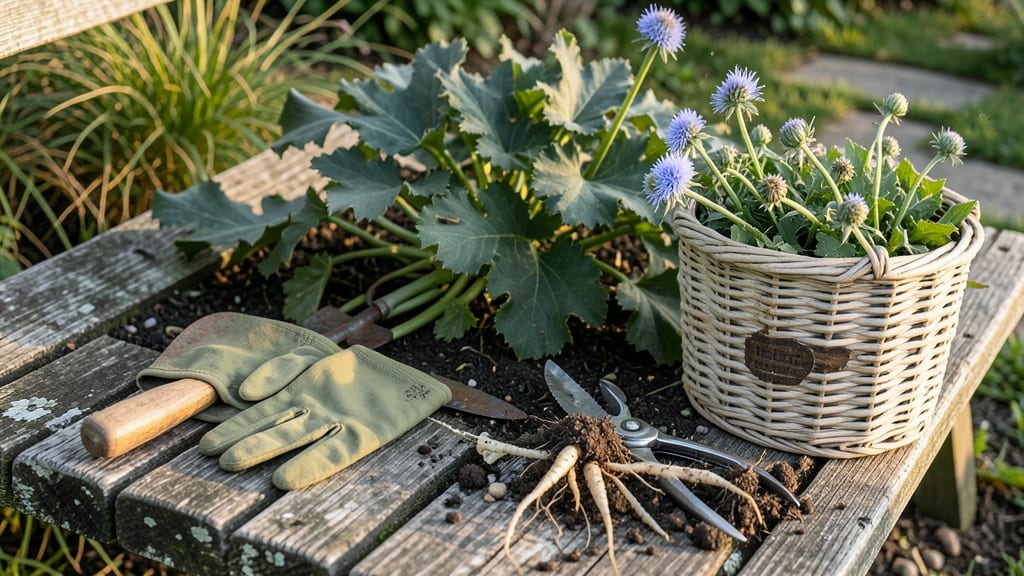
Harvesting chicory root at the right time means the difference between a tender, sweet bite and a tough, bitter mess.
Picture this: you’ve nurtured your 🌱 chicory all season, and now the leaves are yellowing—just like the guidebook said—but is it really time? Dig too soon, and you’ll end up with woody, flavorless roots.
Wait too long, and the first frost turns them mushy. So how do you know when those roots are perfectly ready?
Timing is everything, and it’s not just about days since planting. Soil temperature, root size, and even the weather play a role.
Below, I’ll walk you through the exact signs to watch for—plus the tools and techniques to pull them up without a fight—so you can enjoy that perfect balance of earthy sweetness.
You’ll also learn how to store your harvest for weeks (or even months) and what to do if your roots taste off. No more guesswork—just a foolproof method for a harvest that tastes as good as it looks.
When to harvest chicory root for maximum tenderness and flavor
Timing your chicory root harvest is everything—too early, and you’ll end up with bitter, fibrous roots, while waiting too long turns them woody and tough. The sweet spot arrives after 8-10 months of growth, when the plant signals readiness through leaf color changes and root size.
Understanding these cues ensures a harvest packed with tender, sweet flavor, perfect for roasting or adding to salads.
Chicory thrives in cool-season soil, and the ideal harvest window aligns with fall or early spring, depending on your climate. In USDA Zone 6a, most gardeners aim for harvest between October and November, or the following spring after the first frost.
This timing coincides with the plant’s natural life cycle, when roots swell and leaves yellow—clear signs it’s time to dig.
Key indicators for harvest readiness include:
- Yellowing leaves that wilt naturally
- Roots 2-3 inches in diameter (thick and fleshy)
- Cool, moist soil (ideal for digging)
- Bolting or flowering in spring (if planted the prior year)
| Stage | Days to Maturity | Root Size | Leaf Color | Soil Temp | Harvest Window |
|---|---|---|---|---|---|
| Early (Not Ready) | <180 days | Small, fibrous | Green and healthy | Warm (60°F+) | Avoid harvest |
| Ideal (Ready) | 240-365 days | 2-3 inches thick | Yellowing, wilted | Cool (50-60°F) | October-November |
| Over-Mature (Too Late) | >365 days | Woody, shriveled | Brown, dried | Cold (<50°F) | Avoid harvest |
For spring harvests, chicory planted in late summer will be ready the following spring, typically by April or May. Look for bolting stems or flower buds—these are your final cues.
If you miss the window, the roots may become bitter and tough, losing their prized caramel-like sweetness.
Soil conditions play a critical role in timing. Chicory prefers well-drained, slightly acidic soil (pH 6.0-7.0). If your soil stays too warm or dry, roots may mature faster but become fibrous and bitter. Aim to harvest when soil temps drop below 60°F, ensuring tender, sweet roots.
Pro tip: Test a few roots by cutting one open. If the center is white and firm, it’s ready. If it’s brown or hollow, wait a few more weeks. This simple check saves you from digging up underripe or overripe roots.
In cooler climates, chicory may take longer to mature, sometimes up to 12 months. Pay attention to frost dates—a light frost actually sweetens the roots, so don’t rush to harvest before October’s first frost in most regions.
If you’re growing chicory for both roots and leaves, prioritize root harvest first. Once you dig the roots, the leaves will die back, but you can still use them in salads or soups before they fully wilt. This dual-purpose approach maximizes your harvest’s value.
Remember, patience is key. Chicory roots won’t improve after harvest, so timing is everything. A well-timed harvest rewards you with tender, sweet roots that roast beautifully or add depth to dishes—no bitterness in sight!
Step-by-step guide to harvesting chicory roots without damage
Once your chicory roots reach the ideal harvest window, timing and technique become critical. A single misstep can turn your hard-earned crop into a tough, bitter disappointment. The key is to work gently but decisively—removing the roots cleanly while preserving their delicate flavor and texture.
I’ve harvested chicory for years, and I’ll share my foolproof method to ensure you bring home roots that are tender, sweet, and ready for storage or immediate use.
Start by gathering the right tools—skipping even one can lead to damaged roots or wasted effort. You’ll need a sharp garden fork, gloves (chicory leaves can be prickly), a bucket of water, and a knife or pruners for trimming.
Work on a dry, cool day when the soil is slightly damp but not muddy. This balance makes digging easier and reduces the risk of breaking those fleshy roots.
How to Harvest Chicory Roots in 6 Simple Steps
- 1 Loosen the soil: Use your garden fork to gently lift soil around the plant’s base, working in a circular motion. Stop when you feel resistance—this means you’re near the root. Avoid piercing the root itself.
- 2 Grasp the stems: Hold the plant’s leafy stems firmly about 2 inches above the soil. Pull upward with steady pressure—don’t yank! The root should slide free if the soil is loosened properly.
- 3 Shake off excess soil: Gently tap the root against your bucket or a clean surface to remove loose dirt. Avoid rubbing—this can bruise the skin and invite rot. Rinse only if the soil is caked on.
- 4 Trim the foliage: Use your knife or pruners to cut the leafy tops down to 1 inch above the root crown. This reduces moisture loss and prevents regrowth, which can make roots woody.
- 5 Inspect for damage: Look for cuts, bruises, or soft spots on the roots. Discard any that are punctured or mushy—these won’t store well and may spoil quickly. Save the rest for immediate use or storage.
- 6 Store properly: Place whole, undamaged roots in a perforated plastic bag or mesh bag. Store them in the crisper drawer of your fridge, where they’ll keep for 2-3 weeks. For long-term storage, see my tips below!
After harvesting, the next critical step is storage. Chicory roots are surprisingly resilient, but they need the right conditions to stay fresh. I recommend storing them in a cool, dark place with high humidity—like a root cellar or basement.
If you don’t have one, a paper bag in the fridge works in a pinch. The key is to keep them dry but not dehydrated; a slightly damp paper towel wrapped around each root can help maintain moisture without encouraging rot.
For long-term storage (up to 6 months), try curing your roots. Lay them out in a single layer on a screen or rack in a dark, well-ventilated area for 3-5 days. This dries the outer skin slightly, creating a natural barrier against spoilage.
Once cured, store them in a cloth bag in the fridge or a cool pantry. This method mimics how endive and radicchio are preserved, and it works beautifully for chicory.
If you’ve harvested more than you can use immediately, consider freezing the roots. Peel and slice them into ½-inch rounds, then blanch in boiling water for 3 minutes before shocking in ice water.
Drain, pat dry, and freeze in airtight containers. Frozen chicory roots keep their flavor for up to 12 months—perfect for adding to soups or roasting later in the year.
Remember, the goal is to preserve that tender, sweet flavor you worked so hard to cultivate. Handle your roots with care, store them properly, and you’ll enjoy homegrown chicory long after the gardening season ends. Happy harvesting! 🥔