
How To
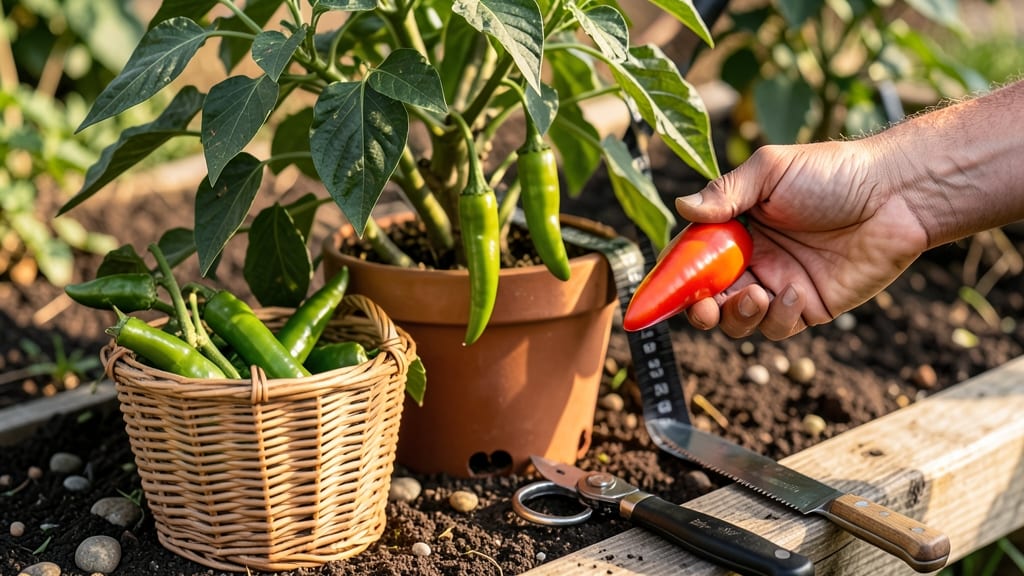
Harvesting cayenne peppers at the right time means the difference between mild disappointment and a fiery, flavor-packed bounty—and the color stage is your best guide.
Picture this: you’ve nurtured your 🌶️ cayenne plants all season, but if you pick too early, you’ll miss the heat and depth of flavor they’re capable of delivering. Or worse, you wait too long, and the peppers turn rubbery or split in the rain.
Timing is everything, and the color shift from green to red (or orange) is your first clue.
In USDA Zone 6a, where spring planting kicks off in April, your cayennes will typically reach harvest-ready stages between July and October. But don’t rely on the calendar alone—pay attention to the peppers’ size, firmness, and how easily they snap at the stem.
These tactile cues, combined with the right color, ensure you’re harvesting at peak heat and flavor.
Below, I’ll walk you through the exact color stages to watch for, how to confirm ripeness beyond just color, and even a few pro tips for storing your harvest so the heat stays strong for months. Ready to turn your garden into a spice cabinet?
Cayenne pepper color stages: when to harvest for optimal heat
Harvesting cayenne peppers at the right color stage determines their heat intensity and flavor. Unlike bell peppers, cayennes mature from green to red or orange, with each stage offering unique benefits. Understanding these visual cues ensures you maximize both yield and spice levels in your garden.
The journey from green to red isn’t just about aesthetics—it’s a science. Green cayennes contain capsaicin precursors that develop into full heat potential as they ripen. Waiting for the perfect color transition can mean the difference between a mild kick and a fiery harvest.
Let’s break down each stage and when to pick for peak performance.
⚠️ CRITICAL INSIGHT: Cayenne heat levels increase significantly as they ripen. A green cayenne might clock in at 30,000 Scoville units, while a fully mature red can hit 50,000+ Scoville units. That’s nearly double the spice!
| Stage | Color | Heat Level | Flavor Profile | Harvest Time | Storage Potential |
|---|---|---|---|---|---|
| Immature Green | Bright green | 30,000-40,000 SHU | Grassy, less developed | 60-75 days after transplant | Short-term (3-5 days) |
| Breaker (Green-Yellow) | Yellow-green patches | 40,000-45,000 SHU | Balanced, developing heat | 75-80 days after transplant | Medium (1-2 weeks) |
| Mature Red/Orange | Deep red or orange | 50,000-100,000+ SHU | Fully developed, sweet-spicy | 80-90 days after transplant | Long-term (months if dried) |
If you’re growing cayennes for immediate use, harvesting at the breaker stage (when yellow-green patches appear) gives you a balance of heat and flavor. This stage typically occurs 75-80 days after transplanting, depending on your climate.
For maximum heat and storage potential, however, wait until the peppers turn fully red or orange—this can take up to 90 days in cooler regions.
Regional climates play a huge role in color progression speed. In USDA Zone 9 or warmer, cayennes may ripen faster, reaching full color in as little as 70 days.
But in cooler Zones 6-7, expect a more gradual shift, with peppers taking closer to 90 days to mature. Always monitor your plants closely, as temperature drops can stall color development.
Pro tip: Morning harvests are ideal for cayennes. The cool night temperatures help stabilize color changes, ensuring vibrant reds and oranges. Avoid picking after a hot afternoon, as the peppers may be slightly softer and more prone to bruising during handling.
For drying or long-term storage, prioritize fully mature peppers. The red/orange stage offers the best flavor complexity and highest heat levels, making them perfect for homemade hot sauces or freeze-dried powders.
If you’re unsure whether a pepper is fully ripe, give it a gentle squeeze—firmness with slight give is the gold standard.
One common mistake is harvesting too early for color but assuming the pepper is ready. A green cayenne might look mature in size but lack the heat potential of its ripe counterpart. Always double-check by comparing to the color chart above and using the firmness test before cutting.
🌶️ Remember: Patience pays off! The longer you wait for full color development, the more intense and complex your cayenne’s flavor will be. Whether you’re growing for heat, storage, or culinary use, mastering these color-stage cues will transform your harvest from good to exceptional.
Signs your cayenne peppers are ready to pick (beyond color)
Color is just the first clue—your cayenne peppers reveal other subtle signals that scream "harvest me now!" First, check the pepper size. Mature cayennes typically reach 3-4 inches long, but some varieties may be slightly smaller.
If your peppers are fully sized but still green, give them another week—they might just need more time to ripen.
Next, run your thumb over the pepper’s skin. A perfectly ripe cayenne should feel firm and slightly glossy, almost like a small, waxy tomato. If it gives under gentle pressure or feels mushy, it’s past its prime.
Overripe peppers lose their heat and develop a bland, rubbery texture that’s a gardener’s nightmare.
Don’t overlook the stem connection. When ready, the stem should snap cleanly when you bend it at a 45-degree angle. If it resists or tears, the pepper isn’t fully mature yet. This tactile test is my go-to trick for confirming ripeness without guessing.
⚠️ Common Harvesting Mistakes to Avoid
- Picking too early for color alone—green peppers may lack heat.
- Waiting until peppers split or wrinkle from overripeness.
- Harvesting in rain or humidity, which speeds decay.
- Using dull tools that crush peppers instead of cleanly cutting.
Pro tip: Harvest in the morning when peppers are cool and firm for the best texture.
Watch for color consistency across your peppers. Some cayenne varieties mature to red, while others stay orange or even yellow. If 70% of your peppers have deepened to their mature hue, it’s time to start harvesting. Inconsistent ripening often happens in hot climates or when plants receive uneven sunlight.
Finally, listen to your cayennes! If they’re dropping peppers naturally or the plant looks stressed (yellowing leaves, wilting), harvest what you can before the heat or frost sets in.
In USDA Zone 6a, first frost arrives by late October, so don’t wait too long—those unharvested peppers won’t ripen further once temperatures drop.
Once you’ve confirmed ripeness, act fast. Use clean, sharp scissors or pruning shears to avoid damaging the plant. Store your harvest in a cool, dry place (60-70°F) for up to 2 weeks, or dry them within 3 days to lock in that signature cayenne heat.