
Vegetables
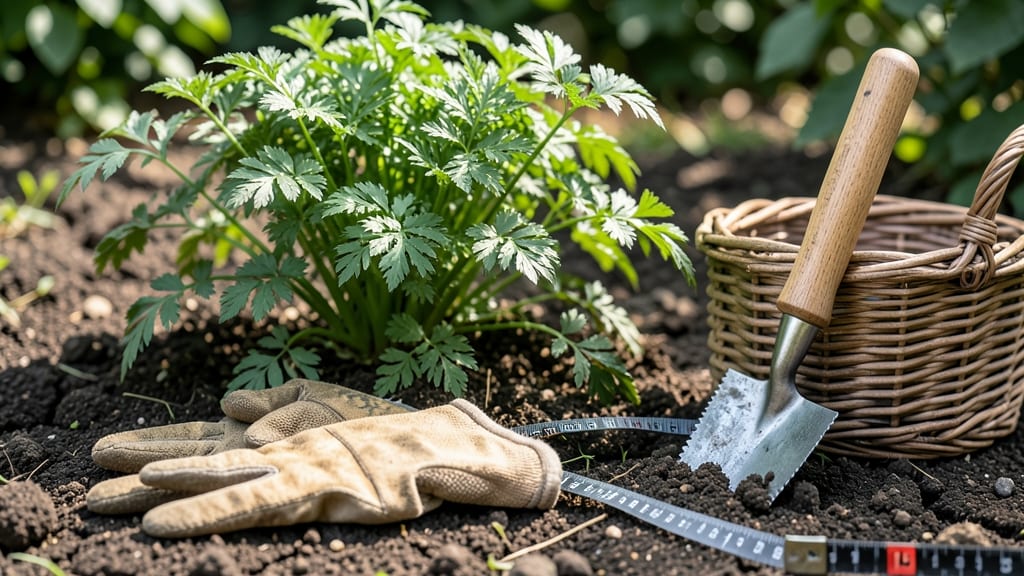
Harvesting carrots planted in spring at the right time means the difference between tender, sweet roots 🥕 and tough, bitter ones.
Picture this: you’ve nurtured your garden all season, and now your carrots are ready—but how do you know exactly when to pull them? The answer lies in a mix of soil conditions, root size, and even the weather.
Skip this window, and you’ll end up with overgrown or woody carrots that no one wants.
In Zone 6a, where spring planting is ideal between March and May, timing matters even more. Cooler climates give you a longer harvest window, while warmer zones may need to pull earlier to avoid bolting.
Below, I’ll walk you through the soil looseness test, visual cues like leaf health, and how to adjust for regional differences.
By the end, you’ll know not just when to harvest, but also how to store them for maximum sweetness and flavor—so your garden’s hard work pays off in every bite.
How to test soil looseness for perfect carrot harvest timing
Perfectly timed carrot harvests start with soil looseness. Too firm, and roots become tough; too loose, and they grow forked or misshapen. The finger-pull test is my go-to method to check soil conditions before harvest.
This simple technique helps determine when your spring-planted carrots have reached ideal size without overgrowing into bitter, woody messes.
For spring harvests, aim for roots between ½ to ¾ inch in diameter. This size range delivers the best balance of sweetness and texture. Larger carrots often develop woodiness and bitterness, while smaller ones may lack full flavor.
The soil test ensures you catch them at peak tenderness, whether you're growing Nantes, Danvers, or Paris Market varieties.
Here's how to perform the test correctly: Start by selecting a representative carrot plant—one that looks healthy with vibrant foliage. Gently grasp the leafy tops and apply light upward pressure.
If the carrot resists slightly but pulls free with minimal effort, your soil is at the perfect firmness level. This resistance indicates the roots have developed enough strength to store nutrients while remaining tender.
- Step 1: Choose a healthy carrot plant with 3-4 inch tops and vibrant leaves.
- Step 2: Gently grasp the leafy foliage near the base and apply light upward pressure.
- Step 3: If the carrot resists slightly but pulls free with minimal force, it's ready.
- Step 4: Check root diameter—ideal size is ½ to ¾ inch for sweetness.
- Step 5: If soil feels too loose, add compost; if too firm, loosen with a fork.
Soil resistance varies by region and spring weather patterns. In cooler climates like USDA Zone 4-5, carrots may take 70-80 days to reach harvest size, while warmer zones like Zone 7-8 can achieve readiness in 50-60 days.
Always adjust your timing based on local conditions—late spring heat can accelerate growth, while cool, wet springs may slow development.
Pay attention to the soil texture around the roots. Ideal soil should feel slightly crumbly when moist but not dry or powdery. If you notice the soil clinging to the roots or feeling sticky, your carrots may have overgrown in compacted conditions.
This often leads to forked roots or uneven shapes, which are harder to harvest cleanly. Loosen the soil with a garden fork if you encounter this issue.
For baby carrots (harvested at 1-2 inches in diameter), the soil test becomes even more critical. These tender roots should pull free with almost no resistance, indicating they've reached the perfect early harvest stage.
Use a small hand fork to gently loosen the soil around the base before pulling to avoid damaging nearby plants. This method works especially well for Paris Market varieties, which are prized for their delicate texture.
Overlooking soil conditions is a common mistake that leads to bitter, fibrous carrots. When roots remain in the ground too long, they develop secondary growth that turns sweet storage sugars into starchy compounds.
The finger-pull test combined with visual inspection of root size helps you avoid this pitfall. Always harvest before the shoulder leaves (the topmost leaves) start yellowing—a sure sign the carrot has passed its prime.
After confirming soil looseness, check the root color and skin thickness. Ready-to-harvest carrots should have a vibrant, consistent hue (orange, purple, or yellow, depending on variety) and skin that resists gentle fingernail pressure.
If the skin pierces easily, the carrot needs more time. This final check ensures you're bringing in sweet, flavorful roots at their absolute peak.
For continuous spring harvests, consider planting succession crops every 2-3 weeks after your initial planting. This staggered approach ensures you always have fresh, tender carrots ready to pull from the garden. Just remember: the soil looseness test remains your best friend for timing these follow-up harvests perfectly.
Once you master this technique, you'll never again wonder "Are my carrots ready?". The finger-pull test transforms guesswork into confidence, giving you crisp, sweet carrots straight from your spring garden to the table. Happy harvesting!
Visual and physical signs carrots are ready for spring harvest
Beyond soil tests, your carrots send clear signals when they're ready for harvest. The leaf color shifts from deep green to a vibrant, healthy hue, while the tops grow to 3-4 inches tall.
This is your first visual cue that the roots below are developing properly. Pay attention to these changes—ignoring them can lead to overgrown or woody carrots that lose their sweetness.
Another key indicator is the root exposure you’ll notice when gently loosening the soil. If the tops are lush but the roots feel firm when you wiggle them, they’re likely ready.
For baby carrots, harvest when they’re about 1-2 inches in diameter, while mature varieties should reach 6-8 inches for ideal storage quality.
🌱Mistake Alert: Many gardeners pull carrots too early because the tops look ready, but the roots are still small and underdeveloped. Always check the soil and root size before harvesting to avoid disappointment.
✅ Key Takeaways for Harvest Timing
- Leaf Height: 3-4 inches tall
- Root Size: 1-2" (baby) or 6-8" (mature)
- Soil Test: Firm but loose—roots should resist gentle pulling
- Color: Vibrant and consistent (no green shoulders)
- Skin: Thick and smooth, resists fingernail pressure
🌿 Pro Tip: Harvest in the morning for the sweetest flavor—roots store starches overnight.
For storage varieties, wait until the roots are fully sized and the skin is thick enough to resist scratches. Thin-skinned carrots won’t store well and may spoil quickly.
If you’re growing heirloom or colorful varieties, check the seed packet for specific maturity dates—some take longer to reach full flavor and color.
Watch for leaf yellowing or wilting, which can signal overmaturity or stress. In warmer climates (Zones 7+), carrots may bolt prematurely, so harvest as soon as they reach size. In cooler zones like Zone 6a, you have more flexibility but should still act before the first frost threatens.
Finally, avoid the temptation to harvest based solely on days since planting. While most carrots mature in 60-80 days, environmental factors like soil quality and rainfall can delay or accelerate readiness. Always combine visual cues with a quick soil check for the best results.