
Vegetables
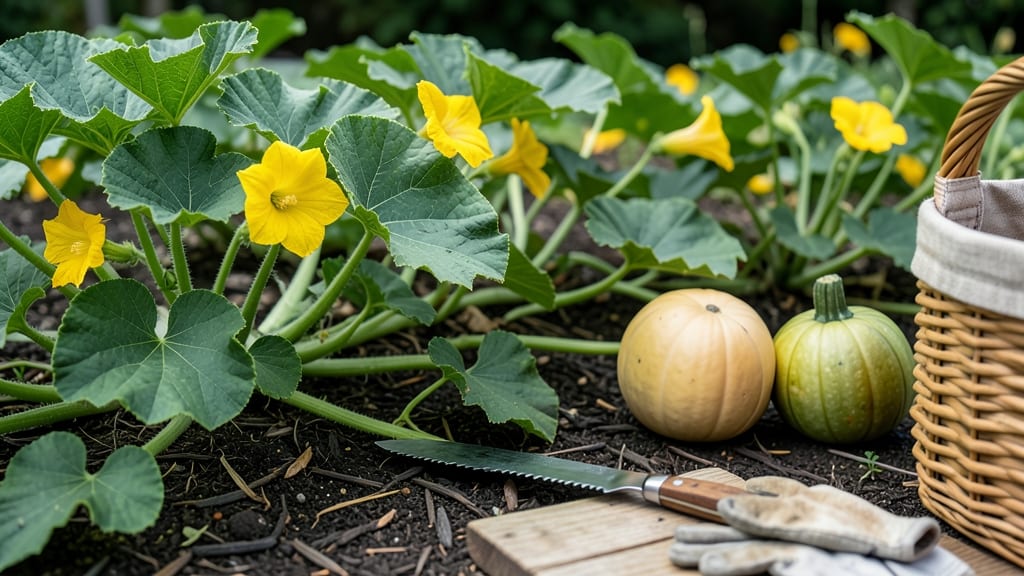
Harvesting buttercup squash at the right time means the difference between a tender, sweet 🎃 and a tough, bitter mess — and the window is narrower than you might think.
Imagine slicing into a squash that’s still pale inside or finding seeds already forming when you cut it open. That’s what happens when you miss the sweet spot, and it’s a common mistake even experienced gardeners make.
Buttercup squash typically reaches peak flavor around 60 days after planting, when the rind turns deep yellow or orange and feels hard to the touch. In Zone 6a, that usually lands in late July or early August, but heat waves can speed things up.
Below, I’ll walk you through the three foolproof signs to check—plus how to test for doneness if you’re still unsure—so you never miss the perfect harvest again.
3 Key visual and physical signs buttercup squash is harvest ready
Buttercup squash thrives when harvested at the right moment—too early and you’ll get bland, watery flesh, while waiting too long risks tough skin and bitter seeds. The good news? Nature gives you clear visual cues and physical signals to know when your squash is ready to pick.
I’ve grown buttercup squash for years, and these three signs never fail me.
First, pay attention to the skin color. Unlike some squash varieties, buttercups don’t rely on green-to-yellow transitions. Instead, look for a deep golden-yellow or peachy-orange hue that’s consistent across the entire fruit.
This color shift signals the squash has reached its sweetest flavor potential—a far cry from the pale, underripe versions you might harvest too soon.
🌱 Numbered Highlights: Buttercup Squash Harvest Checklist
- 🎃 Rind Hardness: Press your thumbnail into the skin—if it leaves no indentation, the squash is ready. A soft spot means it needs more time.
- 📏 Size Matters: Aim for 4–6 inches in diameter (about the size of a baseball). Smaller squash is underripe; larger ones risk woodiness.
- 🌾 Stem Condition: The stem end should feel dry and slightly woody, not green or moist. This indicates the squash has stopped growing.
Next, test the rind’s firmness with your thumbnail. Run your nail across the skin—if it doesn’t puncture easily, your squash is ready. I’ve made the mistake of harvesting too early because the rind felt slightly soft, only to discover the flesh was watery and flavorless.
A firm rind guarantees a meaty, sweet texture that’s perfect for roasting or baking.
Don’t overlook the stem attachment, either. When buttercup squash is ready, the stem where it connects to the vine will dry out and harden. This is your final green light. If the stem is still green and moist, the squash needs 7–10 more days on the vine.
I once ignored this sign and ended up with a squash that was too mature, with bitter seeds near the center.
Regional variations can slightly alter timing, but these signs hold true whether you’re in USDA Zone 5 or 9. In cooler climates, buttercup squash may mature a bit slower, so monitor the days to maturity (typically 60 days) while keeping an eye on the visual cues.
Pro tip: Harvest in the morning when temperatures are cooler to preserve freshness.
One common mistake I see is waiting until the squash looks "perfect" but is actually overripe. Overripe buttercup squash develops a hard, almost woody texture and bitter seeds. If you’re unsure, use the thump test (tap the squash—it should sound hollow, not dull).
When in doubt, harvest a little early; squash continues to ripen slowly after picking.
Finally, consider the fruit’s size relative to its variety. Buttercup squash typically stays smaller than other winter squash, like butternut or acorn. If your squash reaches 6 inches but still looks underdeveloped, check for nutrient deficiencies or pests that might be stunting growth.
Healthy vines with plenty of leaves usually mean your squash will reach peak ripeness.
Mastering these three signs—color, firmness, and stem condition—will transform your buttercup squash harvest from hit-or-miss to consistently delicious. Once you’ve nailed the timing, you’ll enjoy sweeter, more tender squash that’s perfect for soups, roasting, or even spiralizing into noodles.
How to test buttercup squash ripeness: the thump and peel trick
When your buttercup squash reaches the 60-day mark but still looks borderline, don’t guess—test it! The thump test and peel inspection are my go-to methods for confirming ripeness without cutting into the fruit.
These tricks have saved me from harvesting too early (and ending up with watery flesh) or too late (and dealing with bitter seeds). The best part? They take less than 30 seconds each and work for squash of all sizes.
Start with the thump test, a simple acoustic trick that reveals the squash’s internal readiness. Hold the squash firmly in one hand and give it a gentle tap with your knuckles. A ripe buttercup squash will produce a deep, hollow sound, almost like knocking on a wooden door.
If it sounds dull or thud-like, the squash needs more time on the vine. I’ve used this method for years, and it’s especially useful when squash are nestled among dense foliage where visual cues are harder to spot.
🌱 Step-by-Step: Buttercup Squash Ripeness Test
- 🎃 Thump Test: Tap squash—hollow sound = ready; dull = needs time
- 📏 Peel Inspection: Lift a small section of skin—doesn’t tear = perfect ripeness
- ✂️ Stem Check: Twist gently—stays attached = harvest now
- 🌡️ Temperature Test: Skin feels warm to touch = peak ripeness
The peel inspection takes the thump test one step further by physically testing the rind’s readiness. Gently lift a small section of the squash’s skin between your thumb and forefinger. If the peel doesn’t tear and feels slightly leathery, your squash is perfect.
When I first tried this, I was surprised at how much resistance a ripe squash offers—it’s a clear sign the flesh inside is fully developed. If the skin peels away easily or feels stretchy, the squash needs more time.
For an extra layer of confirmation, perform the stem twist test. Grasp the squash near its stem and give it a gentle twist. A ripe buttercup squash will stay firmly attached to the vine, even with a slight tug. If it detaches easily, it’s ready to harvest.
This test is particularly useful when squash are hidden under leaves, as it confirms readiness without needing to see the fruit. I’ve found this method especially helpful in densely planted gardens where visual inspections are difficult.
If your squash fails these tests, don’t panic—it just needs more time. Place it back on the vine and check again in 3–5 days. Overripe buttercup squash can still be used (though flavor and texture suffer), but underripe squash will never reach its full potential.
In hot climates, squash may ripen faster, so monitor them closely during heatwaves. Pro tip: Harvest in the morning when temperatures are cooler to preserve freshness and extend shelf life.
Once you’ve mastered these tests, you’ll never second-guess your buttercup squash harvest again. The combination of the thump test, peel inspection, and stem twist gives you a foolproof way to determine ripeness every time.
And remember: a slightly underripe squash can still ripen off the vine, while an overripe one will only get worse. With these tricks, you’ll enjoy sweeter, more flavorful squash that’s perfect for your favorite recipes.