
How To
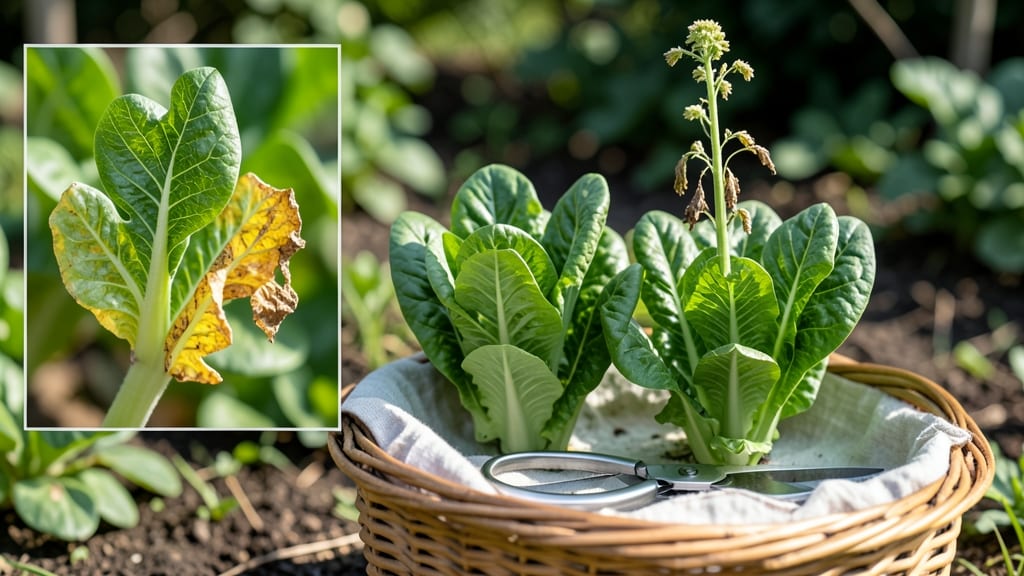
Harvesting romaine lettuce 🥬 too late turns your crisp heads into bitter, tough stalks—knowing the exact cutoff is the difference between a fresh salad and a sad compost pile.
Romaine lettuce bolting can turn your crisp, fresh harvest into bitter disappointment—if you miss the window, you might lose your entire crop. Knowing the exact signs and timing to harvest before it’s too late is the difference between a garden triumph and a wilted failure.
Most romaine varieties reach their peak between 45 and 60 days, but heat or stress can rush maturity. Look for thickened stems or flower stalks—those mean it’s already past prime. Even worse, the leaves turn bitter, making them inedible unless you repurpose them.
Don’t panic if you’ve already missed the window. Below, I’ll show you how to spot overripe romaine, salvage what’s left, and even turn bolted stalks into something useful—so you’re not left with wasted effort.
Key signs it’s too late to harvest romaine lettuce before bolting
Romaine lettuce is at its peak when leaves are crisp, vibrant, and free of bitterness. But once it starts bolting—the process where it sends up a flower stalk—your harvest window closes fast.
Recognizing the key signs of overmaturity can save you from wasting bitter, tough leaves. The difference between a perfect harvest and a disappointing one often comes down to timing and visual cues.
Bolting happens when romaine senses stress, like heat waves or long daylight hours. Suddenly, your once-tender leaves harden, develop bitter flavors, and may even sprout a flower stalk.
If you’ve ever bitten into romaine that tastes like soap or cardboard, you’ve experienced bolting firsthand. The good news? You can still salvage some of the plant—if you act fast.
Visual cues are your best early warning system. Start by checking the leaf texture—crisp romaine should feel firm and slightly crunchy. If the leaves feel leathery or rubbery, it’s a red flag. Next, inspect the color: deep green is ideal, but yellowing or pale leaves signal stress. Finally, watch for stem thickening, which often precedes bolting.
Here’s where many gardeners get tripped up: they confuse normal growth stages with bolting. For example, romaine naturally develops a slightly thicker base as it matures, but a sudden spike in stem size—especially if paired with bitter leaves—means it’s past its prime.
The key is to harvest before these changes become irreversible.
One of the most tell-tale signs of bolting is the emergence of a flower stalk. This hollow, elongated stem shoots up from the center of the plant, often reaching 12-24 inches tall in just days.
If you spot this, your romaine has shifted its energy from leaf production to seed development. While the leaves may still be edible (though bitter), the plant’s priority has changed, and further harvesting won’t yield quality produce.
Even before the flower stalk appears, you’ll notice
How to prevent romaine lettuce from bolting too early
Romaine lettuce 🥬 thrives in cooler weather, but even a few hot days can trigger bolting—the process where it sends up a flower stalk. To keep your plants producing crisp, tender leaves longer, start with the right planting schedule.
In most climates, aim to sow seeds 4-6 weeks before your last frost date for spring harvests, or 8-10 weeks before the first frost for fall crops. This timing ensures you avoid the heat stress that accelerates bolting.
Another key strategy is temperature control. Romaine lettuce prefers daytime temps between 60°F and 70°F. If your summer heat exceeds 80°F consistently, consider using shade cloth (30-50% shade) to protect your plants.
Even a simple row cover during peak afternoon sun can make a huge difference in extending your harvest window by 2-3 weeks.
⚠️ WARNING: When Is It Too Late to Harvest Romaine Lettuce? ⚠️ Once you see these signs, your romaine is past its prime—and may become inedible: ⚠️ Flower stalks (even small ones) mean the plant is redirecting energy to seeds. ⚠️ Bitter taste in leaves signals overmaturity—test a small piece first! ⚠️ Thick, woody stems replace tender, crisp texture you love in salads. ⚠️ Yellowing leaves at the base indicate stress from heat or drought. ⚠️ Leaves curling inward is a late-stage sign of bolting progression. ⚠️ Action: If you spot any of these, harvest immediately—even the outer leaves may be salvageable for cooking (like sautéing or soups).
For future crops, adjust your planting timing or use shade solutions to prevent this. 🌱
For even longer harvests, try companion planting. Romaine lettuce pairs well with carrots, radishes, and strawberries, which help deter pests and improve soil health. Avoid planting near celery or beans, as they can compete for nutrients.
Another trick? Succession planting—sow new seeds every 2 weeks in spring and fall to ensure a steady supply of fresh romaine without the bolting rush.
Don’t overlook the power of consistent watering. Romaine lettuce needs 1-1.5 inches of water weekly, but keep the soil evenly moist—not soggy. Mulching with straw or grass clippings helps retain moisture and keeps roots cool.
Water in the early morning to reduce evaporation and fungal risks, which can stress plants and trigger early bolting.
If your garden still gets too hot, consider container growing. Pots allow you to move romaine lettuce to shadier spots or even indoors near a bright window when temps rise. Just ensure containers have drainage holes and use a lightweight potting mix to prevent root stress.
This flexibility gives you control over microclimates, which is especially helpful in USDA Zones 7-10 where summer heat is intense.
Finally, choose the right romaine varieties for your climate. Heat-tolerant types like 'Jericho' or 'Black Seeded Simpson' can handle slightly warmer conditions than standard romaine. Always check seed packets for days-to-maturity and adjust your harvest schedule accordingly.
With these strategies, you can extend your romaine harvest by 30-50%—keeping your garden productive well into summer or late fall.