
Vegetables
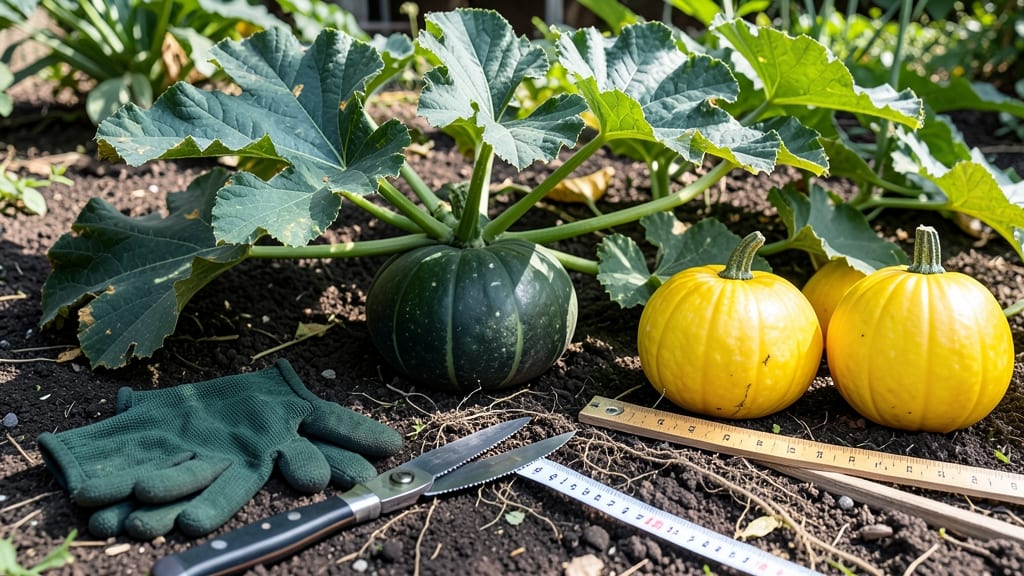
Harvesting butterbush squash at the right time ensures sweet, tender fruit 🎃—and missing that window means tough, bitter squash or wasted effort.
Knowing the exact moment to harvest butterbush squash can mean the difference between a sweet, tender harvest and a bitter, seedy disappointment—especially before the plant bolts and ruins your crop.
Most gardeners wait too long, letting the squash turn woody or the vines bolt. But harvest too early, and you’ll end up with underdeveloped, flavorless fruit. Here’s how to spot the perfect moment—plus what to do if you miss it.
You’ll learn the three key visual cues to watch for, how to test for ideal ripeness, and why timing matters more than you might think. Ready to avoid the common mistakes?
3 Visual signs butterbush squash is ready for harvest
Butterbush squash thrives when harvested at the peak of ripeness, but spotting that perfect moment can be tricky. Unlike some squashes, butterbush doesn’t have a hard outer shell—its tenderness and nutty flavor depend entirely on timing.
Miss the window, and you’ll end up with either a bland, underdeveloped squash or a tough, bitter one. The good news? Three simple visual cues will help you nail the harvest every time.
First, pay attention to the skin’s texture. When butterbush squash is ready, its skin should feel firm to the touch but not rock-hard like a winter squash. Press gently with your thumb—if it leaves a slight dent but doesn’t puncture easily, that’s your ideal ripeness.
Overripe squash will have a woody, thickened skin, while underripe ones will feel soft and almost spongy.
Next, check the color development. Butterbush squash typically matures to a deep yellow or golden hue, but some varieties lean toward orange. Look for even coloring with no green patches—uneven color means it’s not fully ripe.
The stem also gives clues: it should start to dry out and harden slightly, signaling the squash is nearing peak flavor.
Finally, size matters. Aim for a diameter of 4–6 inches—this is the sweet spot for butterbush. Smaller squash (under 3 inches) will be seedy and underdeveloped, while larger ones risk becoming fibrous and tough.
If you’re unsure, grab a ruler or compare it to a tennis ball (which is roughly 3 inches)—your butterbush should be noticeably bigger.
🔍 3 Visual Signs Your Butterbush Squash Is Ready
- 1. Skin Firmness: Press gently—it should yield slightly but not dent deeply. Hard = overripe; soft = underripe.
- 2. Color Uniformity: Look for deep, consistent yellow/orange with no green patches. Patchy color = not ready.
- 3. Size & Stem: 4–6 inches in diameter with a drying, woody stem. Compare to a tennis ball for reference!
Pro Tip: Harvest in the morning when temps are cool—this preserves sweetness and texture.
To double-check ripeness, try the "thumb test". Press your thumb into the squash’s skin—if it springs back slowly (like pressing a ripe avocado), it’s perfect. If it springs back instantly, it’s still firming up; if it doesn’t bounce back at all, it’s past its prime.
This test works best on the flattest side of the squash, where the skin is thickest.
Timing is critical because butterbush squash bolts quickly once it senses cooler weather. If you’re in USDA Zone 6a or warmer, aim to harvest between late July and early September—just before the first frost.
In cooler climates, watch for nighttime temps dropping below 50°F, as this triggers bolting and reduces quality.
Once you’ve confirmed ripeness, use a sharp knife or pruners to cut the squash, leaving a 1-inch stem attached. This prevents rot and helps the squash cure properly.
After harvesting, let it rest in a dry, shady spot for 2–3 days to harden its skin—this extends shelf life and intensifies flavor.
If you’re still unsure, harvest a few squash at different stages and taste-test them. Butterbush squash at peak ripeness has a creamy, nutty sweetness with minimal seeds. Underripe squash tastes watery and bland, while overripe ones develop a bitter, fibrous texture.
With practice, you’ll train your eye to spot the perfect moment every time.
Don’t let fear of over- or under-harvesting stop you—butterbush squash is forgiving if you act quickly. Even if you miss the ideal window by a day or two, you can still enjoy it, though flavor and texture will be slightly compromised.
The key is to harvest regularly (every 3–5 days) once the plant starts producing, as this encourages more fruit.
How to avoid harvesting too early or late (common mistakes)
Harvesting butterbush squash too early or too late can turn your sweet, nutty harvest into a bitter, seedy disappointment. The flavor profile and texture of butterbush squash depend entirely on precise timing—miss the window, and you’ll sacrifice the creamy sweetness you worked so hard to grow.
Many gardeners make the mistake of waiting too long, letting the squash develop a woody texture and fibrous interior, while others harvest too soon, resulting in underdeveloped, bland fruit.
Underripe butterbush squash lacks the full nutty flavor and often contains too many seeds, making it less enjoyable to eat. On the other hand, overripe squash becomes hard and bitter, with a fibrous, stringy flesh that’s nearly inedible.
The key is to recognize the three critical stages of ripeness and act quickly once you spot them. Even a day or two off can make a noticeable difference in taste and texture.
🚨 Common Harvesting Mistakes & How to Fix Them
Mistake 1: Harvesting when the skin is still soft (underripe). Fix: Wait 2–3 more days and recheck firmness.
Mistake 2: Ignoring stem drying (overripe). Fix: Harvest immediately if the stem turns woody or shrinks.
Mistake 3: Letting squash sit too long on the vine (bolting risk). Fix: Harvest every 3–5 days once fruit appears.
Pro Tip: If you miss the window, store properly to salvage flavor (see next section).
If you’ve already harvested butterbush squash too early, don’t panic—there’s still hope! Underripe squash can sometimes mature off the vine if stored in a cool, dark place (like a basement) for 5–7 days. Place it near a ripe banana or apple to speed up ripening (the ethylene gas helps).
However, this method works best if the squash is close to ripe—if it’s still green and soft, it may never reach full flavor.
Overripe butterbush squash, on the other hand, is harder to salvage. While you can still use it in cooked dishes (like soups or roasted squash), the bitter, fibrous texture won’t be ideal for fresh eating.
To minimize waste, cut out any woody or discolored sections and use the rest in recipes where texture isn’t critical. If the squash is completely hard and bitter, consider composting it to avoid disappointment.
To reset your harvest timing if you’ve missed the window, focus on preventing bolting in future seasons. Butterbush squash bolts quickly when exposed to cool nights (below 50°F) or drought stress.
Extend your harvest window by mulching heavily around the base of the plant, watering consistently, and harvesting regularly to encourage new fruit. If you’re in a shorter growing season, opt for early-maturing varieties or use row covers to delay frost.
Remember, butterbush squash is forgiving if acted upon quickly. Even if you’re a day or two off, you can still enjoy a decent harvest with the right storage and cooking techniques.
The key is to learn from each season and adjust your timing based on visual cues, weather patterns, and plant behavior. With practice, you’ll develop an eye for the perfect harvest moment every time.