
How To
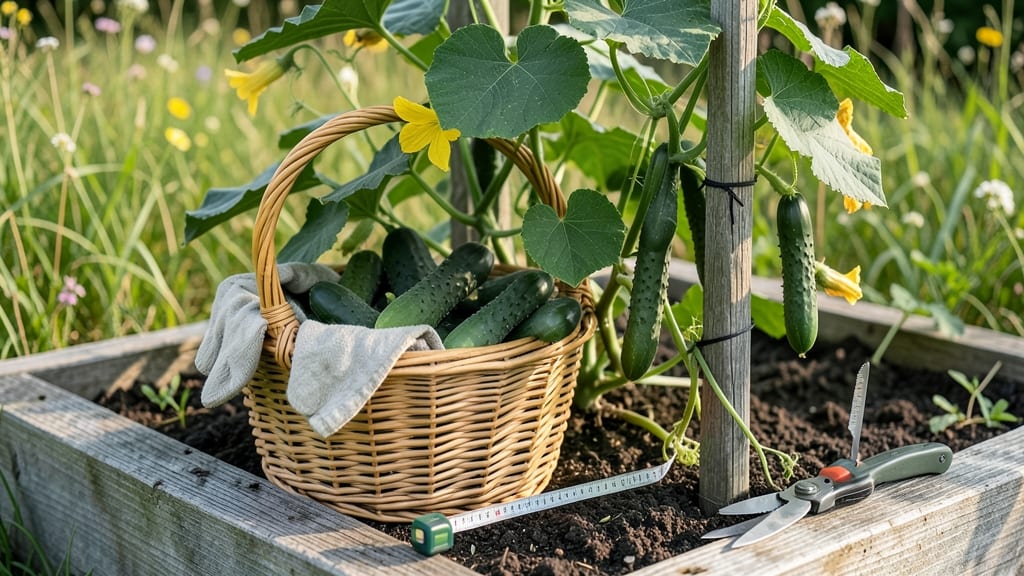
Harvesting Boston pickling cucumbers 🥒 at the right time means the difference between crisp, tangy pickles and sad, soft slices—aim for 1-2 inches in length and firm skin.
Picking too early leaves you with undersized cucumbers, while waiting too long turns them bitter or seedy. I’ve seen home gardens full of overgrown cucumbers that were too late for pickling, so timing is everything.
Below, I’ll break down the exact size, texture, and color cues to watch for, plus how temperature and sunlight play into your harvest window. These details ensure you get the perfect cucumbers every time.
You’ll also learn how often to check your plants and what to do with the harvest once you’ve got it—so no more guesswork, just great pickles.
Signs your Boston pickling cucumbers are ready for harvest
Harvesting your Boston pickling cucumbers at the perfect moment ensures crisp, flavorful pickles instead of bitter or mushy results. These cucumbers are bred specifically for pickling, so timing is everything.
When left too long on the vine, they develop a woody texture and bitter taste, ruining their potential for homemade pickles. The key is recognizing the ideal size, skin firmness, and color cues that signal peak ripeness.
For Boston pickling cucumbers, the harvest window is narrow—typically between 50-70 days after planting. Unlike slicing cucumbers that can grow larger, these varieties are best picked when they’re still small.
Waiting too long means sacrificing that prized crunchy texture that makes pickles so satisfying. Let’s break down the exact signs to watch for so you can harvest at the perfect moment.
| Indicator | Description | Action |
|---|---|---|
| Size | 1-2 inches in length (about the size of a golf ball) | Harvest when cucumbers reach 1.5-2 inches for ideal pickling size |
| Skin Firmness | Firm but yields slightly when gently pressed with a thumb | Avoid harvesting if skin feels too hard or spongy |
| Color | Deep, uniform green without yellowing or pale spots | Discard cucumbers with uneven color or yellowing |
| Stem Signal | Stem snaps cleanly when bent at the base (not too tough or mushy) | Use this as your final check before harvesting |
| Plant Signals | New cucumbers appear daily, and vines show healthy growth | Harvest every 2-3 days to encourage continuous production |
One of the most common mistakes gardeners make is waiting too long to harvest Boston pickling cucumbers. These cucumbers grow quickly, and their size is directly tied to their texture and flavor.
When they exceed 2 inches, they start developing a woody core and bitter taste, which is especially noticeable in pickles. Always prioritize smaller, firmer cucumbers over larger ones—this is what sets pickling varieties apart from slicing types.
The skin firmness is another critical indicator. Gently press a cucumber with your thumb—if it feels slightly yielding (like a ripe avocado), it’s ready. If the skin is rock-hard, it’s underripe, and if it feels soft or mushy, it’s past its prime.
This simple test saves you from harvesting cucumbers that won’t deliver the best flavor or texture in your pickles.
Pay close attention to the color consistency of your Boston pickling cucumbers. They should be a deep, vibrant green without any yellowing or pale patches. Uneven coloring can indicate nutritional deficiencies or stress, which often leads to poor-quality fruit.
If you notice yellowing leaves on the plant, it might be a sign of overwatering or nutrient imbalance, so address these issues promptly to ensure future harvests are optimal.
Your Boston pickling cucumber plant will also give you visual cues about when to harvest. If you see new cucumbers forming daily and the vines are healthy and vigorous, it’s a sign that the plant is producing consistently.
However, if you notice fewer new cucumbers or wilting leaves, the plant may be stressed or overloaded. In this case, harvesting any ripe cucumbers will help relieve stress on the plant and encourage more production.
Harvesting at the right time isn’t just about the cucumbers—it’s also about plant health. Overloaded vines can lead to disease susceptibility and reduced yields later in the season.
By picking Boston pickling cucumbers every 2-3 days, you’re ensuring that the plant can focus its energy on producing more fruit rather than maintaining a heavy load. This frequent harvesting also extends the harvest season, giving you more time to enjoy fresh pickles.
Best practices for harvesting Boston pickling cucumbers
Once you’ve spotted those perfectly sized Boston pickling cucumbers 🥒, knowing how to harvest them properly keeps your plants producing—and your pickles crisp. I’ve learned the hard way that rough handling can damage vines, so I always use gentle techniques to avoid stressing the plant.
Timing is critical too. For optimal flavor and texture, you’ll want to harvest every 2-3 days during peak production. This frequency prevents overgrowth and bitterness while maximizing your yield. Let’s break down the exact steps to follow for a smooth harvest.
🌱 Step-by-Step Harvesting Guide
- 📏 Check size first: Look for cucumbers between 1-2 inches long. Any larger risks bitterness.
- 👆 Test firmness: Gently press the cucumber—it should yield slightly but not feel mushy.
- ✂️ Use clean tools: Grab pruning shears or a sharp knife to cut 1/4 inch above the cucumber’s base.
- 🌿 Avoid vine damage: Never tug or twist—this can harm the plant’s ability to produce more cucumbers.
- 🌡️ Time your harvest: Pick in the morning when cucumbers are coolest and firmest.
- 🧼 Clean immediately: Rinse harvested cucumbers in cool water to remove dirt before storing.
Harvesting at the right time isn’t just about size—it’s also about color consistency. Boston pickling cucumbers should be a deep, even green. If you notice pale spots or yellowing, it’s a sign the cucumber is overripe or stressed.
For maximum production, I recommend checking your plants daily during peak harvest season (June-August). This ensures you never miss the perfect window. Plus, frequent harvesting encourages the plant to keep producing instead of focusing energy on a few overgrown cucumbers.
Store harvested cucumbers in a cool, dark place (like a crisper drawer) for up to 5 days before pickling. This short window keeps them fresh for your recipes. If you’re not ready to pickle right away, consider fermenting or freezing them to preserve their crunch.
Pro tip: If your cucumbers start developing yellow blossom ends, it’s a sign of calcium deficiency or uneven watering. Adjust your care routine and harvest any affected cucumbers immediately—they won’t be ideal for pickling.