
How To
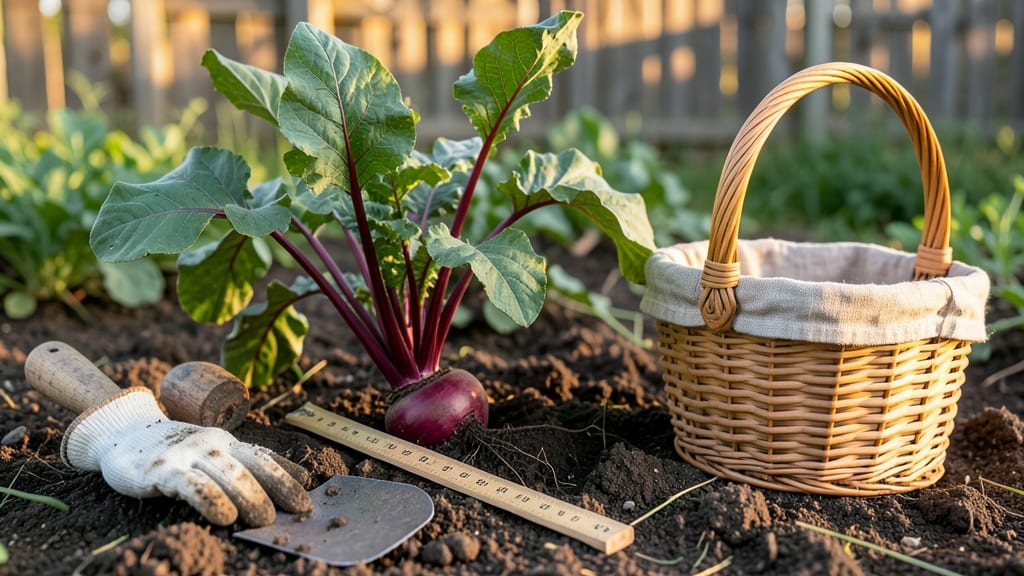
Harvesting beets when they reach golf-ball size ensures tender, sweet roots packed with flavor 🍠—but timing is everything, and most gardeners miss the window.
Pull them too soon, and you’ll end up with tough, underdeveloped roots that taste like wood. Wait too long, and they turn woody or develop a hollow core, ruining their storage potential. The secret lies in knowing the exact size, color cues, and growth timeline for your variety.
Most beet varieties mature in 50 to 70 days, but cooler soil or shorter daylight can slow them down. I’ll walk you through how to check for readiness—without digging up every plant—and how to adjust for your local climate.
By the end, you’ll know precisely when to pull those vibrant roots for the best taste, texture, and storage life, whether you’re growing Detroit Dark Red or Chioggia’s striped beauty.
How long it takes for beets to reach harvest size
Beets are one of those rewarding vegetables where patience pays off—literally. From the moment you tuck those tiny seeds into the soil, you're counting down to a harvest window of 30 to 70 days, depending on the variety and growing conditions.
Most gardeners aim for the golden window of 50-60 days when beets reach their peak sweetness and texture. But here's the catch: soil temperature, daylight hours, and beet variety can shift that timeline by weeks.
For example, my Detroit Dark Red beets—my go-to heirloom—typically hit harvest size in about 55 days when planted in early spring. But if I sow the same seeds in late summer, they might take closer to 70 days because shorter daylight hours slow their growth.
Understanding these variables helps you plan ahead and avoid the disappointment of woody, overgrown roots.
Let's break down the key factors that influence beet growth speed, with a handy reference to help you gauge when your beets are ready to pull.
Remember, the ideal harvest size is about the diameter of a golf ball (1.5 inches), though some varieties like Babybeat can be ready in as little as 30 days when harvested small.
| Factor | Impact on Growth | Example Timeline |
|---|---|---|
| Soil Temperature | Warmer soil (60-70°F) speeds growth; cooler soil (50°F) slows it | 50 days (warm soil) vs. 70 days (cool soil) |
| Daylight Hours | Longer days (14+ hours) accelerate growth; shorter days delay | 55 days (summer) vs. 65 days (spring/fall) |
| Beet Variety | Fast-maturing types (Babybeat) ready in 30-40 days; slow types (Chicago) take 60-70 days | 35 days (Babybeat) vs. 65 days (Chicago) |
| Planting Time | Early spring or late summer plantings grow slower due to temperature extremes | 60 days (spring) vs. 50 days (mid-summer) |
| Harvest Size Goal | Smaller beets (1 inch) ready sooner; larger (3+ inches) take longer | 30 days (1-inch) vs. 70 days (3-inch) |
🌱 Pro Tip: Use a ruler or golf ball as a size guide when checking roots!
If you're growing beets in containers or raised beds, expect a slightly faster harvest—usually within 45-55 days. The contained root space encourages quicker growth, but you'll need to monitor soil moisture closely to avoid stress.
I've found that container-grown beets often reach harvest size about 5-10 days earlier than those in garden beds, likely because the roots don't spread out as much.
Another factor to watch is succession planting. If you're planting beets every 2-3 weeks throughout the growing season, you'll have a steady supply. For example, my first planting in early spring might take 60 days to harvest, while a mid-summer planting could be ready in just 45 days.
This strategy ensures you're always pulling beets at their peak, avoiding the "too early" or "too late" pitfalls.
Let's talk about those fast-maturing varieties for a moment. If you're short on time or space, varieties like Little Ball or Crimson Love are perfect. These can be harvested in as little as 30-40 days when grown under ideal conditions.
I've used these in my container garden with great success, pulling tiny, tender beets perfect for quick salads or pickling.
On the flip side, if you're growing heirloom or large varieties like Golden Beet or Chioggia, plan for the full 60-70 day range. These take longer to reach their full size and develop their signature colors or shapes.
For instance, the Chioggia's stunning pink-and-white rings won't fully form until the beet reaches about 2.5 inches in diameter, which typically takes closer to 65 days.
One common mistake I see is assuming all beets follow the same timeline. Baby beets and full-size beets are two different animals. If you're growing a mix, mark your planting dates and keep a small harvest journal.
Note when each variety reaches 1-inch, 2-inch, and 3-inch sizes—this helps you anticipate future plantings and avoid overcrowding.
Finally, don't overlook the role of soil fertility. While beets don't need rich soil, they do benefit from consistent moisture and moderate nutrients. Over-fertilizing can lead to leafy growth at the expense of root development, delaying your harvest.
I've found that a light application of compost at planting time and a balanced fertilizer (5-10-10) every 4-6 weeks keeps my beets on track for a timely harvest without sacrificing flavor.
With these timelines and tips in mind, you'll be pulling perfectly sized beets straight from your garden in no time—ready to roast, pickle, or enjoy fresh in salads.
The key is to start checking roots when they're about 1 inch in diameter, and you'll never miss the sweet spot again.
Signs your beets are ready for harvest (beyond size)
Size matters, but it’s not the only clue your beets are ready to harvest. The leaf color and root firmness are just as important—these tell you when to pull them for the best flavor and texture.
I’ve learned that ignoring these signs often leads to either tough roots or bitter leaves, so let’s dive into what to watch for.
Start by checking the top greens. Mature beet leaves should be deep green and vibrant, not yellowing or wilting. The tops should also be 6 to 12 inches tall, depending on the variety.
If the leaves are smaller or pale, your beets need more time in the ground.
Next, focus on the root’s firmness. Gently squeeze the soil around the base—if the root feels resistant but not hard, it’s ready. A soft root means it’s underripe, while a rock-hard root signals it’s past its prime.
This simple test saves you from digging up beets too soon or too late.
🌱
📏 Harvest Beets When:
- Roots are 1–3 inches in diameter (golf-ball size)
- Leaves reach 6–12 inches tall and are deep green
- Skin is firm but not woody (press gently to test)
- Color is deep and consistent (no streaks or fading)
Pro Tip: Harvest on a cool morning after watering for easiest extraction.
Don’t overlook the soil conditions either. Beets grow best in loose, well-draining soil, and compacted earth can stunt their development. If your soil feels hard when you dig, loosen it gently to encourage root growth. Overly dry or waterlogged soil also affects readiness—aim for consistently moist conditions.
Finally, pay attention to the variety’s maturity timeline. Some types, like Detroit Dark Red, mature in 50–60 days, while others, such as Chioggia, take 60–70 days.
Check your seed packet for exact days, then adjust your harvest window based on local climate. Cooler weather slows growth, so extend your timeline if spring is late.
By combining these signs—leaf size, root firmness, soil health, and variety timing—you’ll know exactly when to harvest for beets that are tender, sweet, and perfect for storage. Trust these cues, and you’ll never miss the harvest window again! ✅