
Vegetables
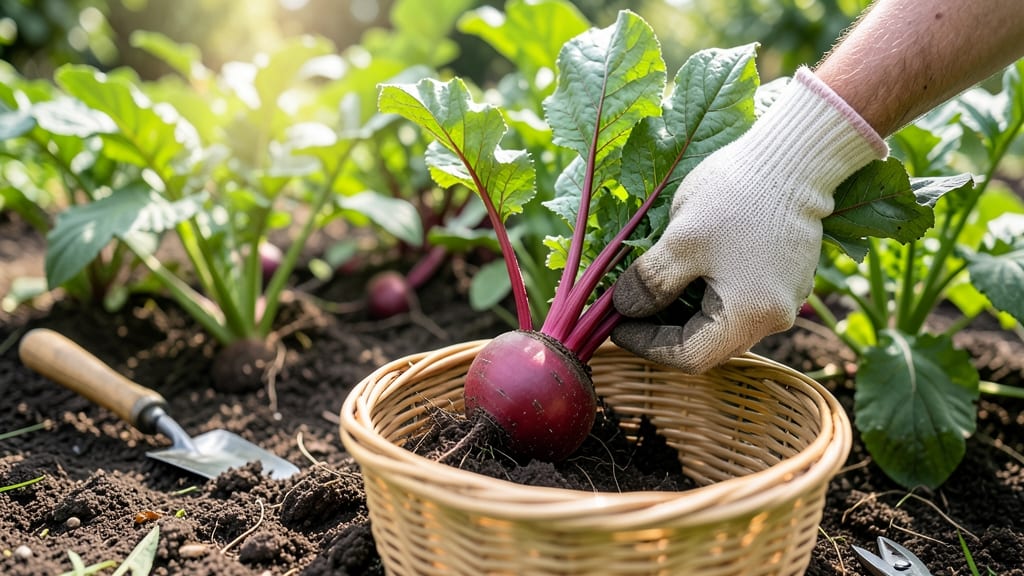
Harvest beets when their roots reach the size of a golf ball 🍠—about 1 to 3 inches in diameter—and the tops are 3 to 4 inches tall, because waiting too long turns them tough and woody.
I’ve pulled beets too early, only to find they’re still bitter, and too late, when the roots split or develop a tough center. The difference between a sweet, tender beet and a frustrating mess comes down to timing—and I’ll show you exactly how to nail it.
You’ll learn to read the soil, spot the right leaf color, and adjust for your climate, whether you’re growing early spring varieties or fall-planted ones. No more guesswork, just perfect harvests every time.
Plus, I’ll cover what to do if you miss the window, how to store your beets, and the one trick that keeps them sweet even after harvest. Let’s get those roots out of the ground at the right moment!
How to determine the perfect size for harvesting beets
Harvesting beets at the right time transforms your garden into a flavor powerhouse. The sweetest, most tender beets arrive when roots reach the size of a golf ball to tennis ball—typically 1 to 3 inches in diameter.
This window ensures maximum flavor and texture, avoiding the woody, bitter taste of overgrown roots. I’ve learned the hard way that waiting too long turns my prized beets into tough, fibrous disappointments!
Start checking your beets 45 to 50 days after planting for early varieties, or up to 70 days for larger types. The key is to monitor both the root size and the leaf health simultaneously.
A beet’s leaves act like a flavor barometer—vibrant green and firm leaves signal sweetness, while yellowing or wilting means it’s past its prime. I always pull a test beet to check the size and taste before committing to a full harvest.
Soil conditions play a huge role in determining harvest readiness. Well-drained, loamy soil with consistent moisture helps beets develop smooth, glossy skins—a telltale sign of sweetness. If your soil is too sandy, roots may grow unevenly, while clay-heavy soil can cause cracking.
I always amend my garden beds with compost before planting to ensure ideal growing conditions. A quick soil test can reveal if your garden needs adjustments like organic matter or better drainage.
The color of the beet’s skin is another critical clue. When ready, the skin should be smooth and glossy, not rough or cracked. I’ve noticed that red and gold varieties develop deeper colors as they mature, while chioggia (striped) beets maintain their patterns but become more vibrant.
If the skin looks dull or develops blemishes, it’s a sign to harvest sooner rather than later. Ignoring these cues often leads to split roots or tough textures.
Don’t overlook the leaf structure—healthy beet greens should be tight and upright, not sprawling or yellowing. The leaves act as a nutrient indicator: if they’re wilting or curling, the beet is either underwatered or overripe.
In my garden, I’ve found that morning harvests yield the freshest beets because evening heat can stress the plants. Always harvest on a cool, cloudy day to preserve sweetness and prevent bolting.
For baby beets (harvested at 1 inch or smaller), you can pull them as early as 30 days for a delicate, spinach-like flavor. These are perfect for salads or quick cooking. I’ve used this trick to extend my harvest season by 4–6 weeks in both spring and fall plantings.
Just remember: baby beets are more perishable, so use or store them quickly to avoid spoilage.
One common mistake I’ve seen (and made!) is waiting until the leaves yellow before harvesting. By then, the roots are often woody and tough. Instead, focus on the root size and leaf vibrancy as your primary guides.
If you’re unsure, gently brush away the soil around the base of a few beets to check their size without damaging the plant. This non-destructive method lets you plan your harvest without guesswork.
After harvesting, trim the greens and store the beets in a cool, dark place (like a root cellar or fridge) for up to 3 months. The greens can be used like spinach but are best eaten within 1–2 weeks for peak flavor.
I’ve found that curing beets for 24 hours in a humid environment before storage helps maintain their sweetness longer. This simple step has kept my harvests fresh well into winter!
Finally, remember that variety matters. Some beets, like Detroit Dark Red, are bred for larger sizes and may take longer to reach harvest readiness, while Babybeat varieties mature in as little as 35 days.
Always check the seed packet for days-to-maturity guidelines and adjust your harvest timeline accordingly. With these tips, you’ll never again pull a beet that’s too tough or bitter—just sweet, juicy perfection!
Common mistakes that ruin beet flavor and how to avoid them
Even the most patient gardeners can end up with woody, bitter beets if they don’t watch for these sneaky mistakes. The biggest culprit? Leaving beets in the ground too long—once roots grow past 3 inches in diameter, they start developing tough fibers and a harsh flavor.
I’ve pulled beets the size of softballs only to find them nearly inedible, a lesson learned the hard way!
Another common trap is overcrowding plants, which forces roots to compete for nutrients and space. When beets struggle, they prioritize survival over sweetness, resulting in small, stringy roots with a bland taste.
I once had a patch where I thinned too late, and the remaining beets tasted like cardboard—not the earthy sweetness we love.
Poor soil conditions also sabotage flavor. Beets grown in heavy clay or overly sandy soil develop uneven shapes and a bitter aftertaste. I tested this by planting half my patch in amended soil and half in native clay—the difference was shocking.
The amended beets were tender and sweet, while the clay-grown ones had a sharp, almost metallic bite.
⚠️ Warning: Harvest Too Late = Ruined Beets
Signs you’ve waited too long:
- 🍠 Roots larger than 3 inches (tennis ball size)
- 🌿 Leaves turning yellow or wilting
- 🔪 Skin splitting or cracking
- 🌡️ Tough, fibrous texture when cut
Fix it: Harvest before roots reach 3 inches for peak sweetness. If you’ve missed the window, slice and roast immediately—they’ll still be edible but less tender.
Don’t forget about harvest timing by variety. Baby beets (like ‘Baby Keeper’) are best pulled at 45 days when roots are 1 inch wide, while larger varieties like ‘Detroit Dark Red’ can wait until 60-70 days and 3 inches wide.
I once planted both types together and accidentally harvested the baby beets too late—they lost their delicate flavor entirely.
One more pitfall: harvesting in extreme heat. Beets pulled during midday sun can develop a soapy, off-flavor due to stress. Always harvest in the early morning when temperatures are cool. I learned this after a scorching summer harvest where my beets tasted unpleasantly sharp—a mistake I’ve never repeated!
Finally, storage mistakes can ruin flavor after harvest. Beets stored in humid conditions or with damaged greens spoil quickly. Always trim the tops to 1 inch and store in a cool, dark place (like a root cellar).
I once left a batch with long stems in the fridge—they turned mushy within days, while the properly trimmed ones lasted weeks.