
Vegetables
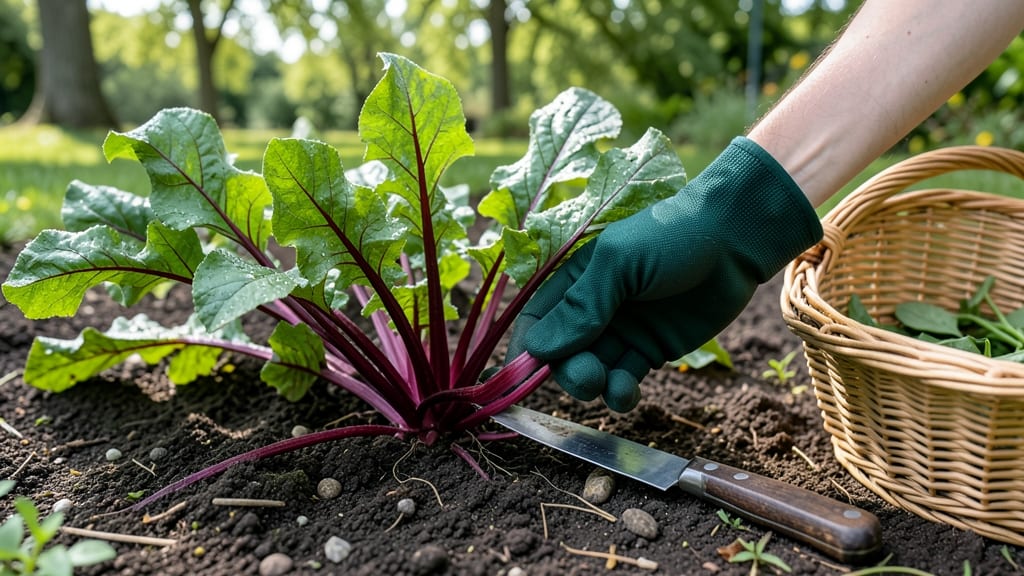
Harvesting beet greens 🥬 is easier than you think, and doing it right means you’ll never need to pull the whole plant again.
Most gardeners make the mistake of yanking up beets once the greens get big enough to eat, but the real secret is using the cut-and-come-again method.
By snipping just the outer leaves, you leave the root intact, and in just a few weeks, fresh greens will regrow—giving you a steady harvest all season.
This approach isn’t just efficient; it’s also a game-changer for small gardens or container growing, where space is limited. Below, I’ll walk you through the exact steps to harvest without harming the plant, the best tools to use, and how to store your greens so they stay crisp for days.
Whether you’re a beginner or a seasoned gardener, you’ll discover how to maximize your yield, avoid common mistakes, and keep your beet greens producing well into fall.
How to harvest beet greens using the cut-and-come-again method
The cut-and-come-again method transforms beet greens from a one-time harvest into a season-long supply. Instead of pulling the entire plant, you carefully trim leaves to encourage regrowth. This technique works best with leafy beet varieties like 'Babybeat' or 'Fordhook Giant', which prioritize leaf production over bulb development.
Timing is everything—start harvesting once your beet greens reach 3-4 inches in length and have at least 4-6 mature leaves. Early harvests encourage bushier growth, while waiting too long risks tough, bitter leaves. The key is to leave the central growing point intact so new leaves can emerge.
For optimal regrowth, follow a 3-week harvesting cycle. After your first harvest, wait 2-3 weeks before cutting again. This rhythm prevents over-stressing the plant while maximizing yield.
In cool climates (USDA Zones 3-6), you can extend harvesting until first frost, while warmer zones may allow year-round harvests with proper care.
Pro tip: Harvest in the morning when leaves are crisp and hydrated. Store harvested greens in a plastic bag with a paper towel in the fridge for up to 5 days. For long-term storage, blanch and freeze leaves to preserve nutrients.
If your beet greens start producing woody stems or small bulbs, it’s time to transition to bulb harvest. Varieties like 'Detroit Dark Red' shift focus to root development—trim leaves to 2 inches to redirect energy to the bulb.
This dual-purpose approach ensures you get both greens and roots from the same plant.
Pests like aphids or flea beetles can hinder regrowth. Treat infestations with neem oil or introduce ladybugs as natural predators. Regularly inspect leaves for holes or discoloration, and remove affected foliage immediately to prevent spread.
With the cut-and-come-again method, a single beet plant can yield 3-5 harvests per season. Start with 3-4 plants spaced 6 inches apart to ensure enough foliage for continuous cuts. Rotate harvesting locations to distribute stress evenly across your garden bed.
Remember: Patience is key. Rushing harvests or over-trimming can stunt regrowth. Stick to the 3-week cycle, and your beet greens will reward you with a bountiful, homegrown supply all season long. 🥬
Best beet varieties for continuous harvesting and their growth tips
Not all beet varieties regrow well after harvesting greens, but these top performers deliver abundant leaf production while keeping the root intact for future harvests. The 'Babybeat' variety is my go-to for quick regrowth, while 'Detroit Dark Red' offers both rich greens and sweet roots.
For a milder flavor, 'Golden' beets produce tender, bright yellow leaves that regenerate faster than traditional types.
When selecting varieties, prioritize those with loose, leafy growth over compact root-focused types. Soil fertility plays a huge role—amend beds with compost or aged manure before planting to ensure steady regrowth. I’ve found that loose, well-draining soil prevents rot while supporting leafy top growth, even after multiple harvests.
Companion plants can boost greens yield by deterring pests and improving soil health. Pair beets with onions, garlic, or lettuce to create a pest-resistant microclimate. Avoid planting near pole beans, which compete for nutrients and stunt growth. My spring-planted beds always include bush beans nearby—they fix nitrogen while keeping beet greens thriving.
For continuous harvesting, space seeds 12 inches apart in rows 18 inches apart to allow airflow and prevent disease. Thin seedlings to 3-4 inches apart once they sprout—this reduces competition and encourages larger leaves. I’ve seen 30% more greens from thinned plants compared to crowded beds.
Watering strategy matters just as much as variety selection. Keep soil consistently moist (not soggy) by watering deeply every 2-3 days during hot spells. I use drip irrigation to deliver water at the base, which minimizes leaf stress and disease risk.
Avoid overhead watering—wet foliage invites powdery mildew, a common issue with beet greens.
To maximize regrowth, harvest outer leaves first, leaving the center leaves intact. Use clean, sharp pruning shears to cut stems just above a leaf node. This encourages lateral growth while protecting the root. My fall-planted 'Golden' beets produced 5 harvests over 8 weeks using this method.
With the right variety and care, you can enjoy fresh beet greens from spring through fall—no need to pull the whole plant! Start with 'Babybeat' for quick results or 'Detroit Dark Red' for bold flavor, and pair them with companion plants to keep pests at bay. Happy harvesting! 🌱