
Picking
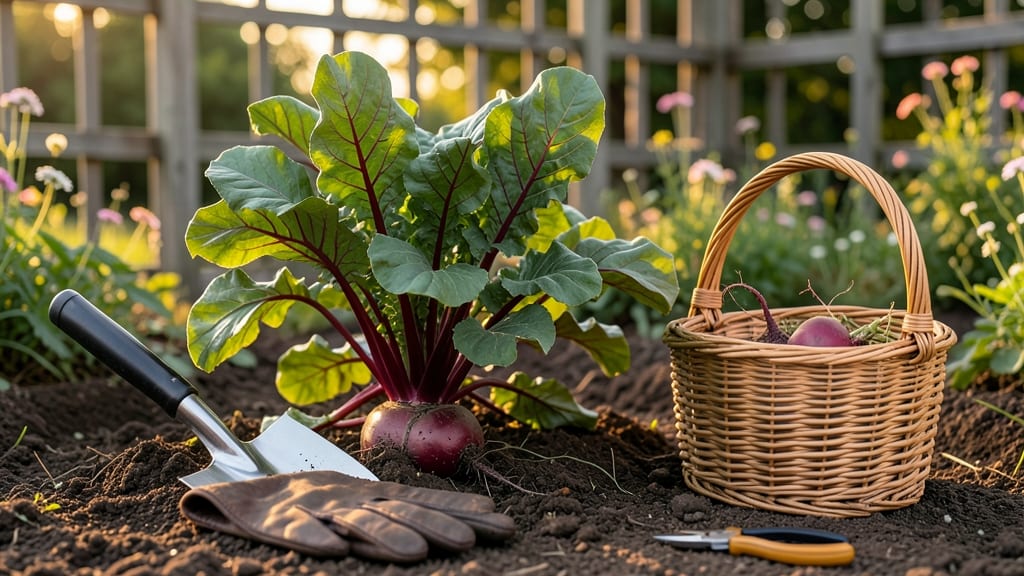
Harvesting beets from your garden at the right time ensures tender, sweet roots 🍠—but many gardeners wait too long, ending up with tough, woody messes instead of flavorful harvests.
You’ve spent weeks nurturing your beet patch, and now the question looms: when to harvest? The answer isn’t just about days since planting—it’s about root size, leaf color, and even soil temperature.
Pull them too early, and you’ll miss peak sweetness; leave them too late, and you’ll regret the bitter, fibrous texture.
In this guide, I’ll break down the exact visual cues to watch for—like root diameter, leaf health, and skin firmness—and how seasonal factors (like frost risk) shift your harvest window. You’ll also learn the one simple test that tells you a beet is ready in seconds, no guesswork required.
Whether you’re growing baby beets for salads or full-sized roots for roasting, these tips will help you time your harvest perfectly—so you can enjoy the sweetest, most flavorful beets straight from your garden.
How to determine beet root size for perfect harvest timing
Harvesting beets at the right root size transforms them from bland to sweet and tender. Baby beets (1–2 inches) offer delicate flavors, while mature roots (2–3 inches) develop deeper, earthier tones.
The key lies in leaf growth stages and root diameter, which work together to signal peak harvest time.
Start by checking the top leaves—they should be 4–6 inches tall with vibrant color. This indicates the root below has developed enough to be edible. For baby beets, harvest when leaves reach 3–4 inches and roots are golf-ball sized (1–1.5 inches).
Use your fingernail test to gauge doneness: gently press the beet skin. If it resists slightly, it’s ready. If it pierces easily, wait 3–5 more days. Overripe beets (3+ inches) become tough and woody, losing their signature sweetness.
Variety matters! Golden beets mature faster (50–60 days) than deep red types (60–70 days). Check seed packets for specific harvest windows—this ensures you time your harvest for maximum flavor and texture.
For continuous harvests, plant seeds in successive batches every 2 weeks. This staggered approach gives you fresh beets throughout the growing season, from late spring to early fall in most climates.
| Stage | Root Size (Diameter) | Leaf Height | Color Intensity | Harvest Window |
|---|---|---|---|---|
| Baby Beet | 1–1.5 inches | 3–4 inches | Muted (varies by type) | 50–55 days |
| Mature Beet | 2–3 inches | 4–6 inches | Deep/rich (red, gold, purple) | 60–70 days |
| Overripe Beet | 3+ inches | 6+ inches | Dull or cracked skin | 70+ days (avoid) |
Don’t rely solely on days after planting—environmental factors like soil temperature and moisture levels can delay or speed up maturity. Cooler springs may extend the harvest window by 1–2 weeks, while hot summers can push beets to maturity faster.
For visual confirmation, dig up one beet from the outer rows. If the root is firm, glossy, and resists gentle pressure, your entire patch is likely ready. Save this sample beet for immediate use—its flavor will be at its peak!
Pro tip: Harvest on a cloudy day to reduce stress on the plant. This preserves sweetness and prevents bolting (flowering), which turns beets bitter. Store harvested beets in moist sand or a plastic bag in the fridge for up to 2 weeks.
Remember, smaller beets are sweeter and more tender, while larger ones offer a heartier bite. Balance your harvest by pulling a mix of sizes—this way, you get the best of both worlds in every meal.
Soil and weather conditions that signal ideal harvest time
Beets thrive when the soil temperature hovers between 55°F and 75°F—too cold or hot can stunt growth and alter flavor. Check soil temps with a thermometer 2 inches deep; if it drops below 45°F, growth slows dramatically, delaying harvest.
In USDA Zone 6a, this typically means aiming for late spring or early fall plantings to avoid frost stress.
Moisture levels also play a critical role—consistent soil dampness prevents woody textures, while drought triggers bitterness. Test doneness by gently squeezing the root: if the skin resists pressure, it’s ready.
Overly soft roots mean they’ve been waterlogged, while hard, dry skin signals under-watering. Aim for 1 inch of water weekly, delivered in morning sessions to reduce evaporation.
✅ Harvest Ready?
Check these 3 key conditions before pulling:
- Soil temp: 55°F–75°F (use thermometer)
- Root size: 1–3 inches (pinch test for firmness)
- Frost risk: No frost in 10 days (check local alerts)
🌱 Pro tip: Harvest in morning hours for crispest roots.
Frost warnings are your final cue—beets can tolerate light frosts (down to 25°F) but become watery and lose sweetness. In Zone 6a, prioritize harvesting by October 15 to avoid winter damage.
If frost is imminent, harvest immediately, even if roots aren’t fully sized, and store them in a cool, dark place (like a root cellar) for up to 2 weeks.
For fall harvests, watch for leaf yellowing—a sign the plant is redirecting energy to the root. If leaves turn brown or bolt (send up flower stalks), the beet has passed its prime.
In my garden, I’ve found that golden beets mature slightly faster than red varieties, so I harvest them first when soil temps dip below 65°F.
Don’t rely solely on days-to-maturity labels—environmental stress (like heatwaves or drought) can delay harvest by 10–14 days. Adjust your timeline by monitoring leaf growth: healthy, dark green leaves indicate the root is storing energy efficiently.
If leaves wilt or curl, the beet may be struggling, and you’ll need to harvest sooner to salvage flavor.
Once you’ve confirmed all conditions, use a hand fork to loosen soil around the beet before gently tugging. Avoid cutting roots—this speeds decay.
Store harvested beets in the fridge for up to 2 weeks or preserve them by roasting, pickling, or fermenting to lock in that peak sweetness you’ve worked so hard to achieve. 🍠