
Picking
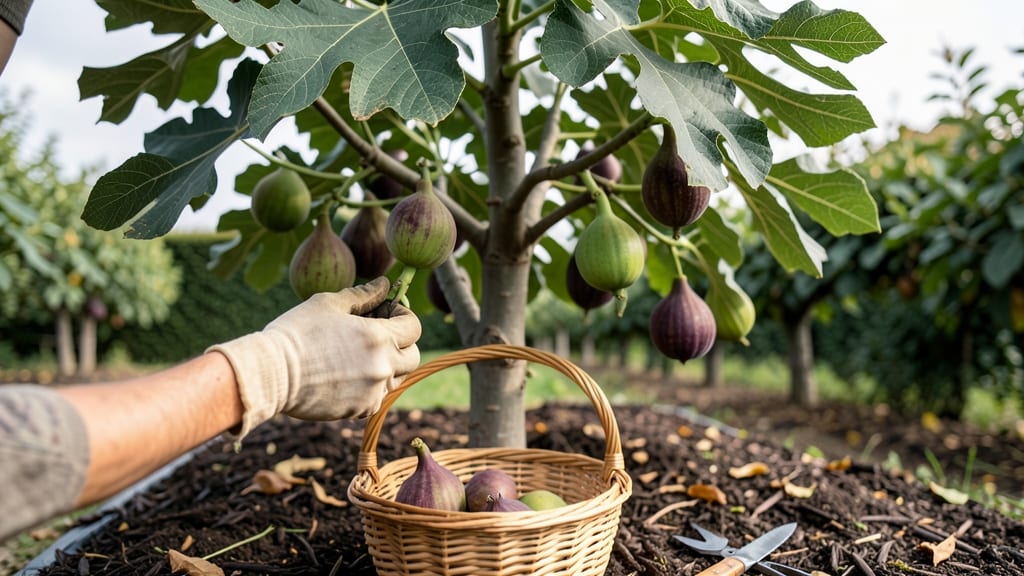
Harvesting a fig tree at the right time means the difference between sweet, honey-like fruit and something that tastes like a sad, overripe sponge.
You’ve probably seen those bright purple or brown figs hanging heavy on the branches and wondered, Is this the moment? But timing it wrong can ruin your harvest—or worse, leave you with fruit that’s still hard and mealy.
The key isn’t just waiting for late summer; it’s knowing the exact visual cues that tell you, Yes, it’s time.
Figs ripen in stages, and each variety—whether it’s the classic Mission or a specialty type—has its own signals. Some turn deep purple, others blush brown, and a few even crack slightly at the base.
Then there’s the gentle tug test that separates the pros from the guessers. Miss these signs, and you might as well be picking leaves.
In this guide, I’ll walk you through the three foolproof ways to tell when your figs are perfectly ripe, plus how climate and variety play into the mix. By the end, you’ll never second-guess harvest time again.
3 Visual cues to identify perfectly ripe figs on the tree
Harvesting figs at the perfect moment transforms your tree into a sweet, juicy treasure chest. But how do you know when those figs are ready? Unlike many fruits, figs don’t ripen off the tree, so timing is everything.
Miss the window, and you’ll end up with underripe, bitter fruit or—even worse—miss the harvest entirely. The key lies in three visual cues that signal peak ripeness.
Fig varieties like Mission, Brown Turkey, and Chicago Hardy each have slightly different ripening timelines, but the visual signals remain consistent. Whether you’re growing your fig tree in USDA Zone 7 or warmer climates, these cues will help you harvest at the perfect moment.
The earlier you learn to spot them, the more delicious figs you’ll enjoy all season.
🌱 3 Visual Cues for Perfectly Ripe Figs
-
1. Skin Color Transformation
Look for the mature color of your fig variety. Green figs turn purple, brown, or yellow depending on the type. For Mission figs, this means deep purple. For Brown Turkey, expect rich brown hues. -
2. Stem Separation Test
Gently twist or tug the fig from the branch. If it detaches easily (without snapping the stem), it’s ready. If it resists, wait another day or two. This cue is especially critical for first-time harvesters. -
3. Fruit Softness & Base Changes
Press the fig gently with your fingernail. A ripe fig will yield slightly but not feel mushy. Also, check the base of the fig—it should turn lighter in color and may show tiny cracks as it ripens.
Timing your harvest isn’t just about these visual cues—it’s also about understanding your fig variety’s seasonal patterns. For example, Mission figs typically ripen in late summer to early fall, while Chicago Hardy figs may produce a second crop in late fall.
In warmer climates like California or Florida, figs can ripen year-round, but frost-sensitive varieties need to be picked before temperatures drop below 28°F.
One common mistake is waiting too long for figs to ripen on the tree, especially in cooler climates. If frost threatens, harvest figs that are 70-80% ripe and let them finish ripening indoors.
Place them in a paper bag with a banana to speed up the process—ethylene gas from the banana triggers ripening. This trick works wonders for Brown Turkey figs in late fall.
Don’t overlook the importance of consistent harvesting. Figs continue to ripen in clusters, so check your tree every 2-3 days during peak season.
If you miss a fig, it may drop to the ground or attract birds and squirrels, which can be frustrating but also a sign that your tree is producing abundantly. Keep a small basket or bucket nearby to avoid dropping ripe figs while you work.
Seasonal variations play a huge role in fig ripening. In Zone 8 and warmer, figs may ripen as early as July, while in Zone 6 or cooler, you might not see ripe figs until September or October.
Pay attention to your local last frost date—figs won’t tolerate frost, so plan your harvest accordingly. If you’re in a transition zone, consider planting cold-hardy varieties like Celeste or Chicago Hardy for more reliable yields.
Once you’ve mastered these visual cues, harvesting figs becomes second nature. The sweetest, most flavorful figs come from trees where you’ve timed the harvest just right. And the best part?
You’ll know exactly when to pick simply by observing the fruit’s color, texture, and how easily it separates from the branch. With practice, you’ll develop an almost instinctive sense for the perfect moment.
Ready to put these cues into action? Grab a pair of pruning shears or a small knife, and start checking your figs today. The sooner you harvest, the sooner you’ll be enjoying homegrown figs straight from the tree—no store-bought substitutes needed. Happy harvesting! 🍇
How to test fig ripeness: the 3-Step touch-and-taste method
Figs can be tricky—one day they're hard and green, the next they're overripe and dropping to the ground. The key to perfect harvests? A simple 3-step touch-and-taste method that works for both green and brown varieties.
I’ve used this technique for years with my Mission figs and Brown Turkey trees, and it’s saved me from bitter disappointments.
First, understand that figs don’t all ripen the same way. Green varieties like Celeste or Green Thompson stay green but soften significantly, while brown varieties like Mission or Brown Turkey develop deep purple-brown hues. The touch-and-taste method adapts to both, ensuring you never guess again.
Here’s how to apply it step-by-step to confirm ripeness before harvesting:
- Step 1: The Gentle Squeeze Test
Gently press the fig between your thumb and forefinger. A ripe fig should yield slightly—like pressing a ripe peach—but not feel mushy. If it’s rock-hard, it’s underripe. If it’s squishy, it’s overripe and may spoil quickly.
- Step 2: Check the Stem Separation
Grasp the fig near its stem and give it a gentle tug. If it detaches easily (or the stem pulls away cleanly), it’s ready. If it resists, wait 1-2 days. For green varieties, the stem may turn a lighter green or brown before detaching.
- Step 3: The Taste Test (Final Confirmation)
This is the gold standard—but save it for a small sample! Cut open a fig and check the flesh color. It should be deep pink or red inside (not green or white). Taste a tiny piece: ripe figs are sweet with a honey-like flavor, while unripe ones taste mealy or bitter.
Timing matters too. In USDA Zone 6, I harvest my Mission figs in late August to early September, while Brown Turkey figs ripen slightly later, around mid-September. If frost threatens (before October 31 in my area), harvest early—even if slightly underripe—to avoid losing your crop entirely.
Pro tip: Harvest in the morning when figs are coolest. This preserves their sweetness and texture longer. Store them at room temperature for 2-3 days or refrigerate for up to 1 week to slow ripening. Overripe figs? Use them immediately—they’re perfect for jam, drying, or compost.
Now you’ve got the confidence to pick figs at their peak—no more guesswork, just sweet, juicy perfection every time. Happy harvesting! 🍇