
Trees
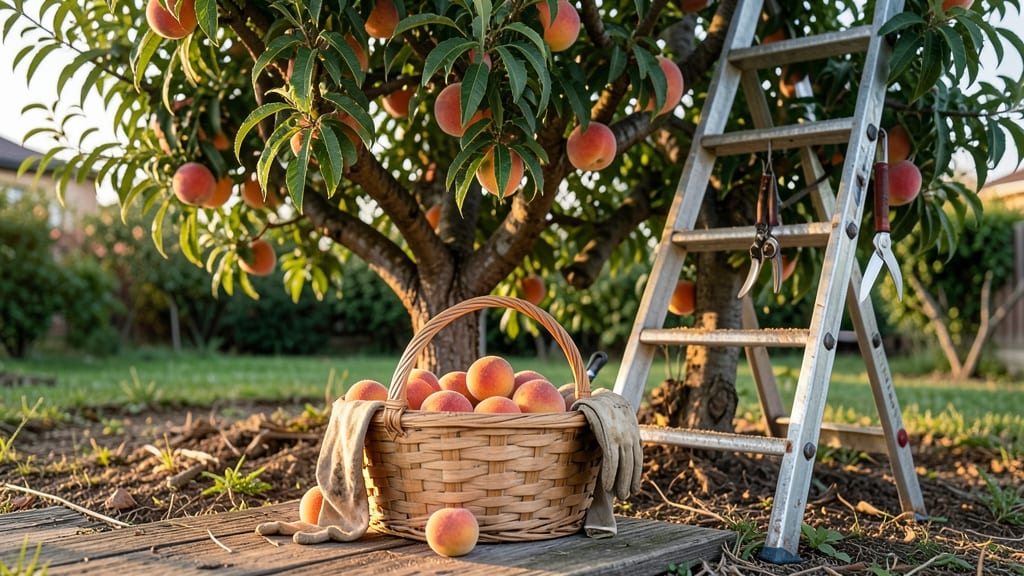
Harvesting a peach tree at the right time turns your backyard into a summer fruit goldmine 🍑 — but miss the window, and those sweet, juicy peaches turn mealy in your hands.
You’ve waited months for those vibrant fruits to ripen, only to stare at a peach that’s still rock-hard or splits open before it’s ready. The difference between a perfect harvest and a disappointing one often comes down to knowing exactly when to pick and how to handle them afterward.
In this guide, I’ll walk you through the key signs of ripeness, the best tools to use, and how to store your peaches so they stay fresh for weeks.
Whether you’re a first-time grower or a seasoned orchard keeper, these tips will help you avoid common mistakes and enjoy the sweetest, most flavorful peaches possible.
From checking for that perfect slight give to storing them the right way, you’ll learn everything you need to make your peach harvest a success — no more wasted fruit or guesswork.


How to identify the perfect time to harvest peaches for maximum sweetness
Nothing beats the taste of a sun-ripened peach picked at peak sweetness. But knowing when to harvest can be tricky—especially when color alone isn’t always reliable. The key lies in combining visual cues, texture, and scent to ensure you enjoy the sweetest, juiciest peaches possible.
In this guide, I’ll break down the exact signals to watch for and how to adjust for your local climate.
Peaches typically ripen between July and September, but the exact timing depends on your USDA hardiness zone and variety. For example, Southern gardeners in Zone 8 may start harvesting as early as June, while Northern growers in Zone 5 might wait until late August.
Always check your tree’s specific variety, as some like ‘Elberta’ ripen earlier than ‘Redhaven.’
Here’s the golden rule: Peaches should never be harvested before they’re fully ripe. Unlike apples, peaches won’t ripen further after picking, so waiting for the perfect moment is crucial.
The best time to harvest is on a cool morning after the dew has dried, which helps prevent bruising and preserves flavor. Avoid picking after heavy rain or extreme heat, as this can damage the fruit.
Now, let’s dive into the visual and tactile clues that guarantee you’re picking peaches at their peak. The comparison table below will help you spot the difference between ripe and unripe peaches in an instant.
The stem separation test is my favorite trick for determining ripeness. Gently grasp the peach and twist it slightly at the stem. If it detaches easily (without snapping the stem), it’s ready to pick.
If the fruit resists or the stem breaks, it’s not ripe yet. This method works even if the peach’s color is fully developed but the texture isn’t quite there.
Don’t overlook the scent test, either. A ripe peach will release a sweet, floral aroma near the stem when gently squeezed. If you’re not detecting any fragrance, the peach needs more time on the tree.
Pro tip: Smell a few peaches at different stages to train your nose—you’ll quickly learn to recognize the distinct sweetness of a perfectly ripe fruit.
Regional climate plays a huge role in harvest timing. In warmer climates like California or Florida, peaches may ripen earlier and require more frequent checks. Meanwhile, in cooler zones like the Pacific Northwest, peaches might take longer to ripen and could be more susceptible to late-season frost.
If you’re in a transitional zone, monitor your tree closely and be prepared to harvest in batches as fruit ripens at different times.
One common mistake I see is harvesting based on color alone. Some peach varieties, like ‘Jubilee,’ develop full color but remain hard and tasteless. Always combine color, scent, and texture for the most accurate assessment.
If you’re unsure, pick a few peaches a day apart and taste-test them. This hands-on approach ensures you’ll never miss the sweetest moment.
For commercial growers or those selling peaches, timing is everything. Harvesting too early can lead to poor shelf life, while waiting too long risks fruit dropping to the ground or attracting pests.
If you’re planning to ship peaches, aim to harvest them slightly firmer than fully ripe—they’ll continue ripening during transport but won’t over-ripen. For home consumption, wait until they’re at peak ripeness for the best flavor.
Once you’ve mastered the art of picking peaches at the perfect moment, you’ll never settle for anything less than juicy, sweet perfection. Next, we
Step-by-step peach harvesting techniques to avoid damage and extend shelf life
Once your peaches reach that perfect blush of color, the real challenge begins: harvesting them without bruising or damaging the tree. A single rough twist can turn a juicy peach into a mushy mess, while improper handling shortens shelf life dramatically.
I’ve learned the hard way that gentle techniques and the right tools make all the difference between a bountiful harvest and wasted fruit.
The key to a successful harvest lies in three critical factors: timing, technique, and post-harvest care. Even if you’ve mastered identifying ripe peaches, how you pick and handle them determines whether they’ll last days or hours.
Let’s break down the exact steps I use to ensure my peaches stay fresh, flavorful, and intact.
🌱 Harvesting Checklist: 5 Pro Tips
- 1. Harvest on dry mornings to reduce bruising and fungal risks from wet fruit.
- 2. Use pruning shears for stubborn peaches—never pull with your hands.
- 3. Twist gently at the stem (don’t yank) to avoid tearing the fruit.
- 4. Place peaches in shallow containers (not deep bins) to prevent crushing.
- 5. Store at room temp for 3–5 days before refrigerating to preserve sweetness.
For commercial growers or those shipping peaches, harvesting 2–3 days before full ripeness is often ideal—they’ll ripen perfectly during transit. But for home consumption, wait until peaches are fully colored and slightly soft to the touch. This balance ensures maximum flavor without sacrificing shelf life.
After harvesting, sort peaches immediately by ripeness: place the ripest in a bowl to eat first, while firmer ones can ripen at room temperature. Avoid washing peaches until you’re ready to eat them—moisture speeds up spoilage.
I also recommend storing them stem-side down in a single layer to prevent bruising from stacking.
One common mistake I see is harvesting peaches when they’re too firm or still green. These won’t ripen properly off the tree and will develop mealy texture. On the flip side, waiting too long risks bird damage or splitting from heavy rain.
The golden rule: if a peach separates easily from the stem with a slight twist, it’s ready.
To extend shelf life, refrigerate peaches only after they’ve ripened—cold temperatures halt ripening and preserve freshness for up to 2 weeks. For longer storage, consider freezing peaches (peeled and sliced) or using them in preserves.
With these techniques, you’ll turn your peach harvest from a fleeting reward into a long-lasting treat.