
How To
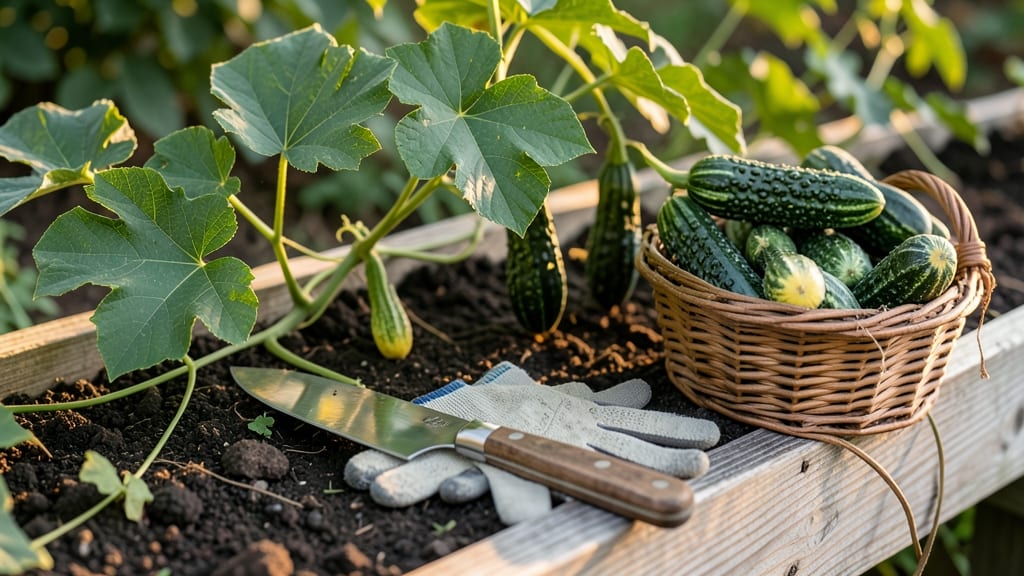
Harvest bitter melon 🍈 when the fruit reaches 3-5 inches and turns bright, firm green—this is the sweet spot for peak crunch and nutrient density.
Miss this window, and you’ll end up with overripe fruit that’s too soft, bitter, or even mealy. I’ve learned the hard way that waiting too long means losing that perfect balance of texture and flavor you crave in dishes like stir-fries or curries.
But timing isn’t just about size—it’s also about color consistency and how the fruit feels when you press it. A ripe bitter melon should yield slightly under gentle pressure, not give way like overripe fruit.
Below, I’ll break down the 3 key visual cues to spot, how to test ripeness with your thumb, and what to do if you harvest too early or too late to salvage the best flavor.


3 Visual cues to identify the perfect bitter melon harvest time
Harvesting bitter melon at the right moment transforms its nutrient density and crunchy texture into a culinary and medicinal powerhouse. Unlike many fruits, bitter melon loses both its bitterness and firmness as it ripens past its peak.
Mastering these three visual cues ensures you pick fruit when it’s packed with antioxidants and anti-diabetic compounds—before it turns mealy or overly bitter.
The first clue lies in the fruit’s size. Bitter melon should be harvested when it reaches 3 to 5 inches in length—any smaller, and it’s underdeveloped; any larger, and the texture softens, diluting its signature crunch.
This window typically falls between 60 to 75 days after planting, depending on your climate and variety. For example, the Chinese variety matures faster than Indian types, so adjust your expectations accordingly.
Here’s a quick reference table to guide your harvest timing based on these key indicators:
| Cue | Optimal Condition | Avoid |
|---|---|---|
| Fruit Size | 3–5 inches long, firm | Over 5 inches (soft, seedy) |
| Color | Bright, even green | Pale yellow or brown spots |
| Stem & Skin | Firm skin, slight give when pressed | Mushy or wrinkled skin |
The color of bitter melon is another critical indicator. At peak ripeness, the fruit should be a uniform bright green, almost glowing under sunlight.
Any yellowing or brown spots signal overripeness, which means the fruit has started converting its starches into sugars, reducing its bitterness and increasing its sweetness. This shift also marks the beginning of texture loss, as the flesh becomes grainy and less crisp.
For the best flavor, harvest before these changes appear.
Don’t overlook the stem and skin as a final check. A ripe bitter melon will have firm but slightly yielding skin—press gently with your thumb. If it springs back immediately, it’s ready. If it stays indented, the fruit is overripe.
Additionally, the stem should detach cleanly with a slight twist; if it resists or tears, the melon isn’t fully matured yet. This cue is especially useful for home gardeners who may not have access to a taste test mid-season.
Timing your harvest based on these visual cues isn’t just about flavor—it’s about preserving nutrients. Bitter melon’s charantin and polypeptide-p, compounds linked to blood sugar regulation, peak when the fruit is firm and bright.
Once the skin dulls or the fruit softens, these compounds degrade, along with its vitamin C and folate content. For maximum health benefits, prioritize these visual signals over guesswork.
One common mistake I see among gardeners is harvesting based on fruit quantity rather than quality. Just because your plant is laden with bitter melons doesn’t mean they’re ready. Overcrowded vines can stunt growth, leading to smaller, underripe fruit.
Instead, focus on the 3-inch rule: if most of your melons are at least this length and meet the other cues, it’s time to harvest. This approach ensures you’re picking at the sweet spot for both texture and nutrient retention.
For container growers, these visual cues take on extra importance since space is limited. In pots, bitter melons often mature faster due to warmer root zones and less competition for nutrients.
Check for ripeness every 2–3 days once fruit appears, as the harvest window can shrink from 10 days to just 3–5 days in hot climates. Use a small hand pruner to snip stems cleanly, leaving a 1-inch stub to prevent disease entry.
Pro tip: Harvest in the morning when temperatures are cool. This minimizes stress on the plant and helps preserve the fruit’s crispness and bitterness for up to 5 days in the fridge.
Store harvested melons in a perforated plastic bag with a paper towel to absorb excess moisture, which can accelerate spoilage. By mastering these cues, you’ll turn your bitter melon harvest into a nutrient-dense, flavor-packed success every season.
How to test bitter melon ripeness: the thumb-press method explained
Harvesting bitter melon at the right moment transforms its bitter flavor into a crisp, nutrient-packed reward. While some gardeners rely on color or size, the thumb-press method is the most reliable way to gauge ripeness.
This tactile test helps you avoid both underripe (too hard) and overripe (mushy) fruit, ensuring peak flavor and texture.
The thumb-press method works by applying gentle pressure to the fruit’s skin to assess its firmness. Unlike other melons, bitter melon’s ripeness isn’t about softness—it’s about finding that slight give that signals optimal maturity.
Mastering this technique saves you from harvesting too early (when the fruit is seedy and unpalatable) or too late (when it becomes spongy and loses bitterness).
⚠️ callout warning
Overripe bitter melon develops a yellowish tint and soft spots, making it unfit for fresh use. Even worse, the bitterness fades, and the fruit becomes watery. Test every 3-4 days once fruits reach 3 inches to catch the perfect window. Use a sharp knife to harvest—never twist—to prevent damaging the vine.
Start by selecting a mature-looking bitter melon—typically 3-5 inches long with a bright green hue. Press your thumb firmly but gently against the fruit’s skin. If it feels firm with just a slight indentation, it’s ready.
Think of it like pressing a peach—not too hard, but enough to feel resistance. This resistance indicates the fruit’s cell structure is intact, preserving its crunch and bitterness.
Common mistakes include pressing too hard (which bruises the fruit) or too lightly (missing the subtle give). For thicker-skinned varieties, like the Chinese or Indian types, you may need slightly more pressure.
Conversely, thin-skinned varieties (like West Indian) require a lighter touch. Always test the widest part of the fruit, as this is where ripeness is most consistent.
Timing your thumb press matters too. Test in the morning when fruits are cool and hydrated—afternoon heat can make them feel softer than they are. If you’re unsure, harvest a few fruits at once and taste-test them.
The perfect bitter melon should have a crisp snap when bent slightly at the stem and a balanced bitterness when sampled raw or lightly cooked.
Pro tip: Use your other hand to gently bend the stem while pressing with your thumb. If the fruit snaps cleanly and the stem detaches easily, it’s a green light for harvest.
This two-step check minimizes mistakes and ensures you’re picking fruit at its peak. With practice, you’ll develop an instinct for the ideal thumb pressure, making bitter melon harvesting effortless and rewarding.