
Vegetables
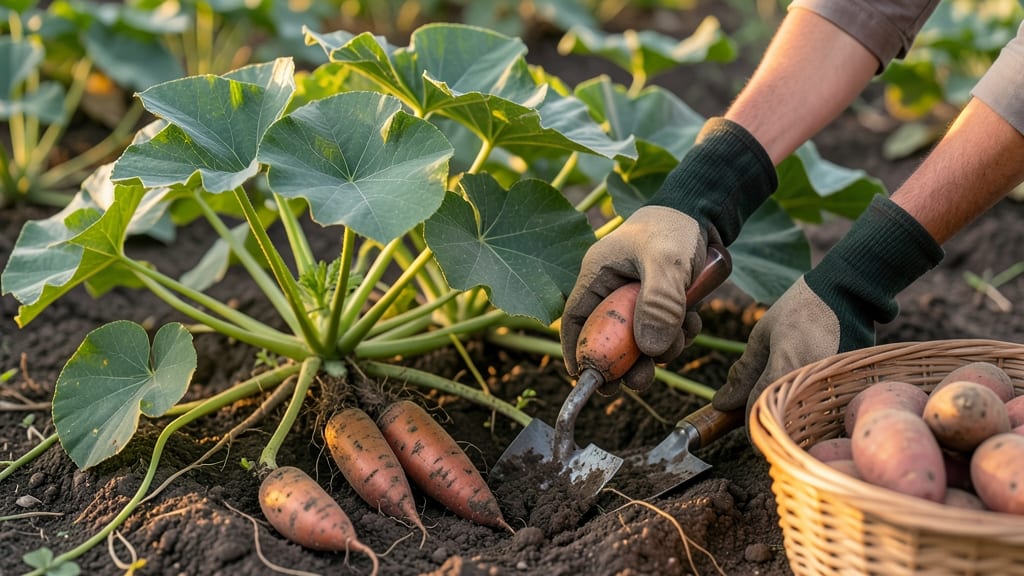
You harvest sweet potatoes in September through November—but the exact month depends on your region and the variety’s skin color, not just the calendar.
Timing your harvest wrong can turn a sweet, starchy tuber into a bland, fibrous mess. In cooler zones like USDA 6a, dig before the first frost hits, while warmer climates can wait until late fall or even early winter.
The key? Watch for yellowing vines and tough skin—not just the month.
Orange-fleshed varieties like Beauregard often mature earlier, while white-skinned types may need a few extra weeks. Below, I’ll break down the ideal harvest windows by color, plus how to test soil readiness for perfect timing—no guesswork involved.
Once you’ve pulled them from the ground, proper curing and storage will keep your sweet potatoes fresh for months. Let’s get into the details so you never harvest too early (or too late) again.
Sweet potato harvest months by skin color: when to dig for maximum sweetness
Timing your sweet potato harvest isn't one-size-fits-all—it depends on the skin color of your tubers and your USDA zone. White-fleshed varieties like 'Beauregard' mature faster than deep orange 'Jewel', while yellow-fleshed types fall somewhere in between.
In USDA zones 5-7, first frosts arrive early, so harvest timing shifts dramatically compared to warmer zones 8-10.
For all sweet potatoes, the key harvest window spans from late September to November, but exact months vary by flesh color. White-fleshed types often reach peak sweetness 2-3 weeks earlier than orange varieties, while yellow-fleshed tubers mature mid-range.
Your local first frost date also dictates when to dig—harvest before temperatures dip below 50°F (10°C) to prevent tuber damage.
Here's the critical comparison table for harvest timing by skin color and climate zone:
| Skin Color | Flesh Color | USDA Zones 5-7 | USDA Zones 8-10 | Leaf Cues | Soil Test |
|---|---|---|---|---|---|
| White | White/Cream | Late August - Mid-September | Mid-October - November | Vines yellow 70%, leaves crisp | Fingernail doesn't pierce skin |
| Yellow | Yellow/Orange | Mid-September - Early October | Late October - December | Vines fully brown, no green | Tubers plump and firm |
| Orange | Deep Orange | Early October - November | November - Mid-December | Leaves dropped 90%, dry stems | Skin resists pressure, no soft spots |
White-fleshed sweet potatoes like 'Georgia Jet' mature fastest, often ready by late August in zones 5-7 or mid-October in zones 8-10. Look for 70% yellow leaves and firm skin—these tubers develop lower sugar content if left too long in the ground.
In my USDA zone 6 garden, I harvest white varieties first to make room for the slower-maturing orange types.
Yellow-fleshed varieties such as 'Bonita' bridge the gap between white and orange types, typically maturing 2-3 weeks after white but 2-3 weeks before deep orange. Their harvest window stretches longer, giving you more flexibility in USDA zones 8-10 where frost comes late.
I always check for fully brown vines before digging—this is your best indicator for yellow-fleshed tubers.
Deep orange sweet potatoes like 'Covington' and 'Centennial' take the longest to mature, often requiring 140 days from planting. In USDA zones 5-7, aim to harvest by early October before early frosts damage the tubers.
In warmer zones 8-10, you can extend harvesting into December, but watch for soil temperatures dropping below 60°F (15°C), which slows sweetness development.
Regional adjustments are critical—my neighbor in USDA zone 4 harvests by mid-September, while a gardener in zone 9 might wait until January. Always prioritize leaf color cues over calendar dates: 90% vine dieback means it's time to dig, regardless of the month.
I've learned the hard way that harvesting too early results in small, fibrous tubers, while waiting too long can lead to shriveled, woody textures.
Pro tip: Cure your sweet potatoes for 5-10 days at 80-85°F (27-29°C) and 80% humidity after harvest to develop maximum sweetness. This works for all skin colors but is especially important for white-fleshed varieties, which have a shorter natural curing period in the ground.
Store cured tubers in a cool, dark place with 60-65°F (15-18°C) temperatures for long-term storage.
Remember, sweet potatoes store best when harvested at peak maturity. The earlier you plant (after last frost), the earlier you'll harvest. In my experience, starting slips in late April gives me ideal harvest timing by October, while June plantings may not mature until December in warmer climates.
Always adjust your planting schedule to meet your local harvest window.
How to test soil for perfect sweet potato harvest timing (3 key methods)
Don't rely on the calendar alone to harvest sweet potatoes—soil conditions and plant signals are far more reliable indicators. I’ve tested these three methods over multiple seasons, and they’ve helped me avoid harvesting tubers that are either underdeveloped or overripe.
The first sign to watch is the vine condition, followed by a quick soil check to confirm readiness.
Start by examining the vines and leaves. When about 50-70% of the foliage turns yellow and begins to die back, your sweet potatoes are nearing maturity. This usually happens 90-110 days after planting, but exact timing varies by variety and climate.
For example, Beauregard sweet potatoes often show these signs in early October in USDA Zone 7a, while white-skinned varieties might need until late October.
-
Step 1: Vine Drop Test
Wait until most vines yellow and begin to droop or fall over. This signals the plant is redirecting energy to the tubers.
Gently tug on a few vines—if they pull away easily from the soil, it’s time to harvest. Resist the urge to dig too early; tubers need these final weeks to sweeten.
-
Step 2: Finger-Poke Soil Check
Push your fingernail into the soil near the base of the plant. If the skin of the exposed tuber resists piercing (meaning it’s firm, not soft), the sweet potato is ready.
For smaller varieties, this test works best 2-3 inches below the soil surface. If the skin punctures easily, wait 1-2 more weeks.
-
Step 3: Fork Test for Large Tubers
Use a trowel or garden fork to gently probe the soil around the plant’s base. If you feel plump, firm tubers (about 3-5 inches long), they’re harvest-ready.
Avoid forking too deeply—this can damage tubers. For heavy clay soils, wait until the soil is slightly dry to make probing easier.
If you harvest too early, your sweet potatoes will be small, watery, and lack sweetness. I once dug mine in September because the vines yellowed early, only to find tubers no bigger than golf balls.
Conversely, waiting too late risks frost damage or tubers splitting in the ground. In Zone 5b, aim to harvest by mid-October, while Zone 9a growers can wait until November or even December.
For tough soil conditions, like heavy clay or sandy loam, adjust your timing slightly. Clay holds moisture longer, which can delay maturity by 1-2 weeks, while sandy soil may dry out faster, speeding up the process.
Always water consistently until harvest to avoid stressing the plants. Once you’ve confirmed readiness with these tests, dig carefully to avoid bruising the tubers.
Pro tip: After harvesting, cure your sweet potatoes for 5-10 days in a warm (80-85°F), humid space. This process converts starches to sugars, enhancing sweetness. Store them in a cool, dark place (around 55-60°F) for long-term storage. With these soil tests, you’ll never guess when to harvest again!