
Picking
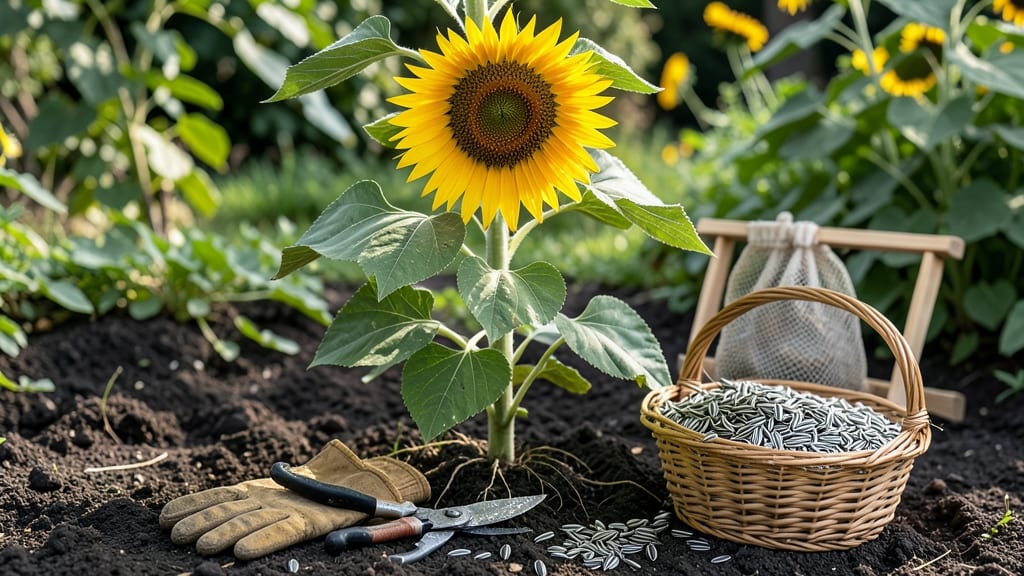
Harvesting sunflowers at the right time means capturing their peak beauty for bouquets or collecting seeds for next year’s garden — and missing the window by even a day can make all the difference.
Picture this: your 🌻 sunflowers are towering over your garden, their petals a vibrant canvas of yellow and orange. But how do you know when they’re truly ready?
Waiting too long means brittle stems and wasted potential, while harvesting too early leaves you with underdeveloped seeds or flowers that wilt faster than you’d like.
Here’s the secret: three simple visual cues will tell you exactly when your sunflowers are at their prime. From the color of the petals to the texture of the seed head, these signs are your roadmap to a successful harvest every time.
In this guide, you’ll learn how to spot these cues, adjust for your USDA Zone 6a climate, and even use the weather to your advantage. Whether you’re cutting stems for a centerpiece or saving seeds for planting, you’ll never second-guess the timing again.

3 Visual cues to identify perfect sunflower harvest time
Sunflowers are one of the most rewarding plants to grow, but timing their harvest just right can be tricky. I've learned that missing the window by even a few days can mean the difference between a vibrant bouquet and a sad, wilted mess—or between plump seeds and dried-out disappointment.
The good news? Sunflowers give you clear visual signals when they're ready. Here's how to spot them.
First, let's address the most common question I hear: "How do I know when my sunflowers are ready to harvest?" The answer lies in three key visual cues that reveal the plant's maturity. These aren't just random observations—they're biological signals that tell you exactly when to act.
Mastering these cues will help you harvest sunflowers at their absolute peak, whether you're cutting them for arrangements or collecting seeds.
🌻 Numbered Highlights: 3 Visual Cues for Perfect Sunflower Harvest Time
Petal Color Change
Watch for yellowing at the back of petals—this signals the flower is 90% mature. For bouquets, harvest when petals are fully open but still vibrant. For seeds, wait until petals wilt and turn brown.
Seed Head Texture
The seed head should be fully brown and dry to the touch. Give it a gentle squeeze—if seeds rattle inside, they're ready. For seed collection, wait until the head cracks open slightly.
Leaf Condition
Healthy lower leaves should remain green and firm, while upper leaves may start yellowing. If leaves feel dry or crispy, the plant is directing energy to seed production—perfect timing for harvest.
Let's start with the first cue: petal color change. This is the most obvious sign for bouquet growers. When the back of the petals begins turning yellow, it's your signal that the flower is nearing maturity.
I always recommend harvesting sunflowers for arrangements when the petals are fully open but still vibrant. This ensures they'll last longer in a vase. For seed collection, though, you'll want to wait until the petals have completely wilted and turned brown.
Next, pay close attention to the seed head texture. This is where many gardeners go wrong—they assume a brown head means it's ready, but that's not always true. The seed head should be completely dry to the touch.
I like to give it a gentle squeeze: if the seeds inside rattle, that's your green light. For seed collection, wait until the head starts to crack open slightly, revealing the seeds inside. This usually happens a few days after the petals have fully browned.
Don't overlook the leaf condition as your third visual cue. Healthy lower leaves should remain green and firm throughout the plant's life cycle. However, as the sunflower matures, you'll notice the upper leaves may start yellowing. This is natural and indicates the plant is focusing its energy on seed production.
If the leaves feel dry or crispy, it's a clear sign that your sunflower is ready for harvest, whether for cutting or seed collection.
Here's a pro tip I've learned from years of growing sunflowers: harvest in the morning. The stems are most hydrated then, which means your cut flowers will last longer in a vase.
For seed collection, morning harvest also gives you the best chance to catch seeds before birds or squirrels get to them. Always use clean, sharp pruners or shears to avoid damaging the stems or seed heads.
One common mistake I see is waiting too long for the seed heads to dry. While it might seem like waiting an extra day or two won't hurt, overripe seeds can become brittle and difficult to remove.
The ideal time is when the seed head is fully brown but still intact. If you wait until it starts falling apart, you'll likely lose many seeds to the wind or wildlife.
For those growing sunflowers specifically for seeds, I recommend harvesting on a dry day. This makes it much easier to remove the seeds from the head without creating a mess. Once harvested, lay the seed heads on a paper towel in a dry, well-ventilated area.
The seeds will continue to dry and mature over the next few days, making them perfect for planting next season or enjoying as a snack.
Remember, every sunflower variety has slightly different maturity times. Dwarf varieties like 'Teddy Bear' might mature in as few as 50 days, while giant varieties like 'Russian Mammoth' can take 120 days or more.
Always check the specific variety's recommended harvest time in addition to these visual cues for the most accurate results.
By mastering these three visual cues—petal color change, seed head texture, and leaf condition—you'll never miss the perfect sunflower harvest time again.
Whether you're growing them for their stunning blooms or their nutritious seeds, these signals will help you get the most out of your sunflower plants.
Sunflower harvest time by variety: when to cut for flowers vs. seeds
Not all sunflowers are created equal when it comes to harvest time. Whether you're growing Moulin Rouge for show-stopping bouquets or Russian Mammoth for seed collection, each variety has its own ideal window.
Cutting too early means limp stems, while waiting too long can leave you with brittle heads. The key is understanding your variety's unique maturity cues.
For flower-focused varieties, timing is all about petal perfection. You want those golden blooms at their peak vibrancy but before they start wilting. Meanwhile, seed varieties need extra patience—you'll wait until the heads turn completely brown and the seeds rattle inside.
Let's break down the exact harvest windows by popular types so you can maximize your yield or floral beauty.
| Variety Type | Best For | Harvest Window | Key Visual Cues | Cutting Time |
|---|---|---|---|---|
| Moulin Rouge | Bouquets | Late summer | Petals fully open, back turning yellow | Morning after dew dries |
| Teddy Bear | Floral arrangements | Early fall | Fuzzy petals, stem firm | Late morning |
| Russian Mammoth | Seeds | Late fall | Heads fully brown, seeds rattle | Dry, sunny day |
| Autumn Beauty | Cut flowers | Mid-summer | Petals 75% open, stem strong | Early morning |
| Mammoth | Seed collection | Fall | Brown seed head, stem hollow | After first frost |
For bouquet varieties like Moulin Rouge and Autumn Beauty, the harvest window is tight. These sunflowers reach their peak when about 75% of petals are fully open but before they start wilting.
Cut them in the morning when stems are hydrated and petals are crisp. This timing ensures your arrangements last up to two weeks in a vase with proper care.
If you're growing sunflowers for seed collection, like Russian Mammoth or Mammoth, patience is key. Wait until the seed heads turn completely brown and begin to crack open naturally. This usually happens in late fall, often after the first frost.
The seeds will rattle inside the head—this is your perfect cue. Harvest on a dry day to prevent mold and let the heads dry completely before processing.
Pro tip: For seed varieties, leave some heads on the stalk until they're completely dry. This extra time ensures maximum seed development. Once harvested, store seeds in a cool, dry place until ready to plant.
With the right variety and timing, you can enjoy both stunning sunflowers and a bountiful seed harvest from the same garden.
Remember that USDA Zone 6a climate affects timing slightly. In cooler zones, harvest windows may shift by 1-2 weeks later. Always check your local frost dates and adjust accordingly. With this variety-specific guide, you'll never miss the perfect harvest moment again.