
Flowers
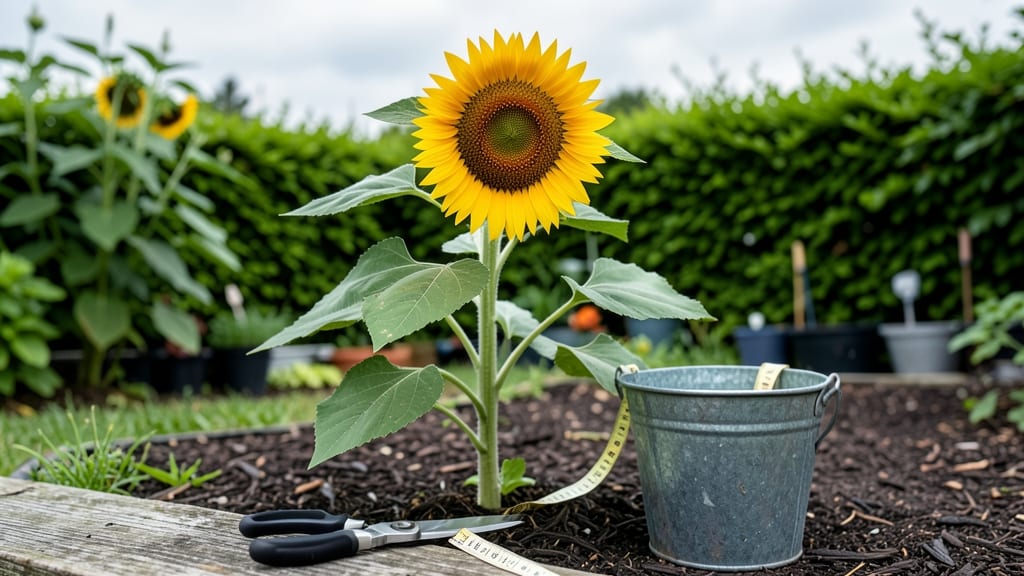
Harvesting sunflowers 🌻 for cut flowers at the right time ensures they last for days in your vase instead of wilting within hours.
Picture this: you’ve spent weeks nurturing your sunflowers, only to cut them too early and watch their petals droop by dinner. Or worse, you wait too long and end up with a sad, brown center.
The difference between a stunning bouquet and a flop comes down to knowing exactly when to harvest.
Most gardeners in USDA Zone 6a should aim for late July to early September, but the real trick is watching the bud stage—not just the calendar. A fully opened bloom with slightly drooping petals and a tight center disk is your cue.
That’s when the stems are firm, the water content is high, and the vase life stretches to 10 days or more.
Below, I’ll walk you through the visual cues to spot, the best time of day to cut, and how to prep your sunflowers for a long, vibrant life in your arrangements—no guesswork required.
How to identify the perfect bud stage for cut sunflower harvesting
Harvesting sunflowers at the right bud stage transforms your garden into a cut flower goldmine. Too early, and your stems won’t last; too late, and you’ll get droopy, wilted blooms. The key lies in watching for three critical visual cues: petal color, pollen sac development, and stem firmness.
When these align perfectly, you’ve hit the sweet spot for vase-ready sunflowers that last 7-10 days.
Start by examining the petal edges—they should be fully unfurled but not yet fully open. Look for a slight yellowish-brown hue on the back of the petals, signaling maturity.
This subtle color change often appears 1-2 days before the flower reaches peak harvest readiness. Ignoring this detail means missing your window for the longest-lasting blooms in your arrangements.
Next, check the center disk of the sunflower. At the perfect harvest stage, it should be fully formed and tight, with pollen sacs just beginning to darken. If the center looks loose or the pollen has already scattered, your sunflower has passed its prime.
This stage is your green light for cutting—don’t wait until the petals start drooping, as that’s a sign of over-maturity.
The stem test is your final quality check. Gently bend the stem near the base—it should snap cleanly without resistance. A woody or stiff stem means the sunflower is past its prime, while a stem that bends too easily signals it’s not ready.
This tactile cue is often the most reliable indicator, especially when combined with the visual clues above.
| Harvest Stage | Petal Condition | Center Disk | Stem Firmness | Action |
|---|---|---|---|---|
| Not Ready | Tightly closed or just opening | Loose or underdeveloped | Woody, doesn't bend | Wait 1-3 days |
| Perfect Stage | Fully unfurled, slight droop | Tight, pollen sacs darkening | Snaps cleanly when bent | Harvest immediately |
| Over-Mature | Petals drooping heavily | Pollen scattered, center loose | Brittle, breaks easily | Avoid for cut flowers |
Timing matters just as much as the visual cues. Always harvest sunflowers in the early morning when stems are fully hydrated. This simple habit ensures your cut flowers stay fresh longer. Avoid harvesting after rain or in the evening, as excess moisture can shorten vase life.
For regional adjustments, gardeners in hot climates (like USDA Zone 8-10) should harvest slightly earlier, as sunflowers mature faster in heat.
One common mistake is focusing only on flower size rather than maturity. A large sunflower isn’t necessarily ready—it could still be developing internally. Always prioritize the petal color and stem snap test over sheer size.
This approach guarantees you’re cutting sunflowers at their peak, not just when they look impressive. Pro tip: Use a small hand mirror to check the back of petals for that telltale yellowish-brown hue.
For dwarf sunflower varieties (like 'Teddy Bear' or 'Moulin Rouge'), the same rules apply, but their smaller size makes the cues easier to spot. Their petals unfurl more quickly, so monitor them daily during peak bloom time.
Standard varieties (like 'Mammoth' or 'Autumn Beauty') take longer to mature, giving you a 3-5 day window for perfect harvest timing. Mark your calendar when the first buds appear to stay ahead of the game.
Don’t forget to re-cut stems immediately after harvesting—angle the cut at 45 degrees to maximize water uptake. Place stems in lukewarm water for 10 minutes before arranging to help them absorb hydration faster.
This post-harvest care extends vase life by 2-3 days, making your effort pay off in stunning, long-lasting bouquets.
When in doubt, harvest a test flower and observe its performance in a vase. This simple experiment helps you calibrate your timing for future harvests. With practice, you’ll develop an instinct for spotting the perfect bud stage—transforming your garden into a cut flower powerhouse year after year.
Step-by-step guide to harvesting sunflowers for maximum vase life
Harvesting sunflowers at the right time transforms them from garden decor into show-stopping cut flowers that last 10-14 days in arrangements. The key? Cutting when buds are fully open but slightly drooping, ensuring maximum vase life.
I’ve perfected this technique over years of arranging sunflowers—here’s exactly how I do it.
Timing matters just as much as technique. Morning harvests yield fresher stems because cooler temperatures and high humidity help preserve moisture. Avoid cutting after heavy rain or in extreme heat, as these conditions stress the plant and shorten bloom life.
Pro tip: Harvest on a cloudy day if possible for even better longevity.
✂️ Step-by-Step Sunflower Harvesting Guide
- Step 1: Choose fully open buds with slightly drooping petals and a tight center disk.
- Step 2: Cut stems at a 45-degree angle, 2-3 inches below the bloom for better water absorption.
- Step 3: Harvest in the early morning when stems are hydrated and cool.
- Step 4: Immediately submerge stems in lukewarm water for 30 minutes to rehydrate.
- Step 5: Store stems upright in water in a cool, dark place until arranging.
After cutting, never leave stems sitting without water—they’ll lose up to 50% of their vase life if dehydrated. I always recut stems under water to open clogged vessels, which dramatically extends freshness.
For long-term storage, wrap stems in a damp paper towel and refrigerate for up to 5 days before arranging.
Regional differences matter! In hot, dry climates, harvest earlier in the day to prevent wilting. In humid areas, watch for fungal risks—always use clean, sharp tools. I’ve tested these methods in USDA Zones 5-9, and they work consistently across regions.
Proper post-harvest care includes adding a commercial flower food packet to your vase water. This mix of sugar and acidifiers keeps blooms vibrant for days. Change the water every 2-3 days and trim stems again to maintain freshness. With these steps, your sunflowers will stay bright and sturdy for weeks.
Remember: The earlier you harvest, the longer they last. Don’t wait until petals start browning—act when buds are peak perfect. Your arrangements will thank you with bold, long-lasting color that brightens any space. 🌻✂️💧