
How To
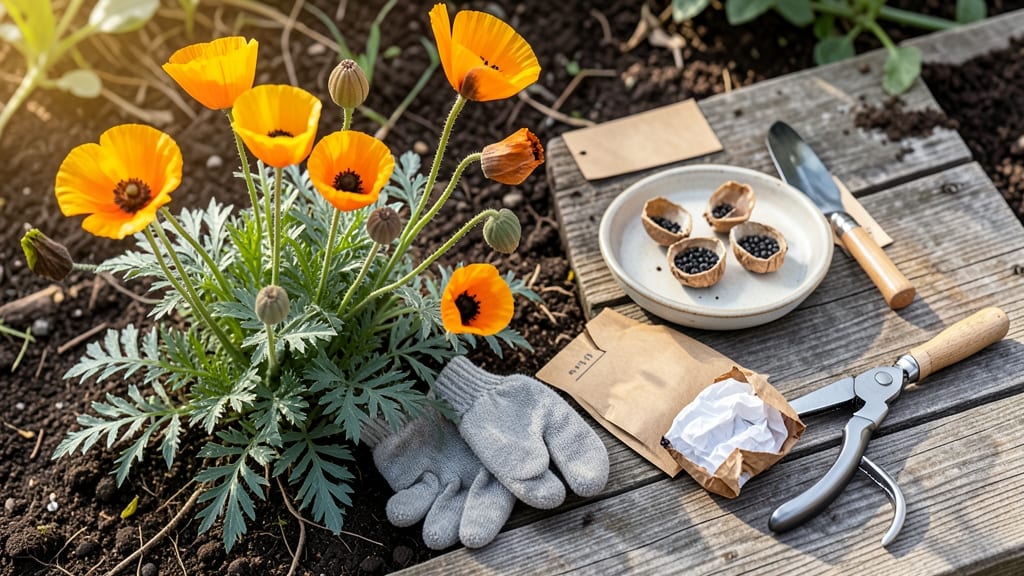
Harvesting poppy seeds for planting is all about timing those brown, dry pods before they crack open and scatter—because once they do, your seeds are gone.
Poppy seeds are nature’s tiny treasure—harvesting them at the perfect moment ensures a bountiful supply for next season’s garden, but timing and technique make all the difference. 🌸 Miss the window, and you’ll end up with empty pods or seeds that won’t germinate.
You don’t need fancy tools or a green thumb to do this right—just a few simple steps, a dry spot to work, and patience while the pods finish maturing.
Below, I’ll walk you through when to harvest, how to collect seeds without losing a single one, and the best ways to store them so they’re ready for next spring.
Whether you’re a first-time gardener or a seasoned pro, these tips will help you save seeds that grow into vibrant poppies year after year—no guesswork required.
When to harvest poppy seeds: identifying the right pod stage for maximum yield
Harvesting poppy seeds at the perfect moment ensures high germination rates and a plentiful supply for next season. The key lies in recognizing pod maturity signs—a mix of visual cues and physical changes that signal readiness.
Miss this window, and you risk losing seeds to premature splitting or mold growth during drying.
Poppy pods start as green and firm, gradually maturing into dry, brown husks. The transition from green to brown is your first clue, but don’t rely solely on color.
Pay close attention to texture and sound, as these reveal whether the seeds inside are fully developed and ready for harvest.
The color change from green to brown is your primary indicator, but don’t overlook the sound test. A mature poppy pod will rattle loudly when gently shaken—this confirms the seeds inside are fully developed and ready for collection.
If the pod feels soft or spongy, it’s not yet ripe.
Temperature and humidity play critical roles in determining the perfect harvest time. Poppies thrive in warm, dry conditions (ideal range: 50-75°F). High humidity or rainy weather can accelerate pod drying, leading to premature splitting. Aim to harvest on a dry, sunny morning when dew has evaporated but humidity is low.
One common mistake is waiting until pods split open naturally. By then, many seeds have already scattered or been lost to birds and wind. Harvest pods just before they split—when they’re brittle but still intact. This ensures you capture the maximum seed yield with minimal waste.
Environmental factors like late-season heat waves or unexpected rain can disrupt the natural drying process. If you notice pods drying too quickly, consider harvesting slightly earlier than usual. Conversely, in cool, damp climates, pods may take longer to mature—
Step-by-Step poppy seed harvesting techniques for beginners and experts
Once your poppy pods turn brown and brittle, it’s time to harvest those tiny seeds for next season’s garden. The key is acting quickly—pods can split open in minutes, scattering seeds everywhere.
Whether you’re a first-timer or a seasoned gardener, these techniques will help you maximize your yield while keeping seeds viable.
Gather your tools: a clean tray or sheet, scissors or pruners, and a paper bag for storage. Work on a dry, sunny day when humidity is low to prevent mold. If you’re harvesting in bulk, consider wearing gloves to protect your hands from the papery pod texture.
How to Harvest Poppy Seeds for Planting
- 🌸 Step 1: Identify Mature Pods
Look for fully brown pods that rattle when shaken. Avoid pods that are still green or have cracked open—these seeds may not germinate. - 🪴 Step 2: Cut or Twist Pods
Use clean scissors to snip pods from the stem or gently twist them off. Place them in a paper bag immediately to prevent seed loss. - 🌿 Step 3: Shake or Roll Pods
For dry pods, place them in a paper bag and shake gently to release seeds. Alternatively, roll them on a clean surface to dislodge seeds. - ✂️ Step 4: Open Pods for Stubborn Seeds
If seeds won’t release, carefully slice open pods with scissors and scrape out seeds with a small spoon or your fingers. - ☀️ Step 5: Dry Seeds Thoroughly
Spread seeds on a paper towel in a warm, dry place (like a sunny windowsill) for 3-5 days. Stir occasionally to ensure even drying. - 🌱 Step 6: Store Seeds Properly
Once completely dry, transfer seeds to an airtight container (like a glass jar) and store in a cool, dark place for up to 2 years.
Never rush the drying process—moisture is the enemy of seed viability. If you notice any white fuzz (mold), toss those seeds immediately and redry the rest for longer. A dehumidifier or silica gel packets can help if your climate is humid.
For large-scale harvesting, lay a clean tarp under your poppy plants and gently tap the stems to release seeds en masse. This method works best for opium poppies or California poppies, but avoid it if pods are already splitting—you’ll lose seeds to the wind.
Label your seed containers with the harvest year and poppy variety to avoid confusion later. Test a few seeds in spring to check germination rates—if fewer than 50% sprout, store the remaining seeds in the freezer for 1-2 months to break dormancy.