
Vegetables
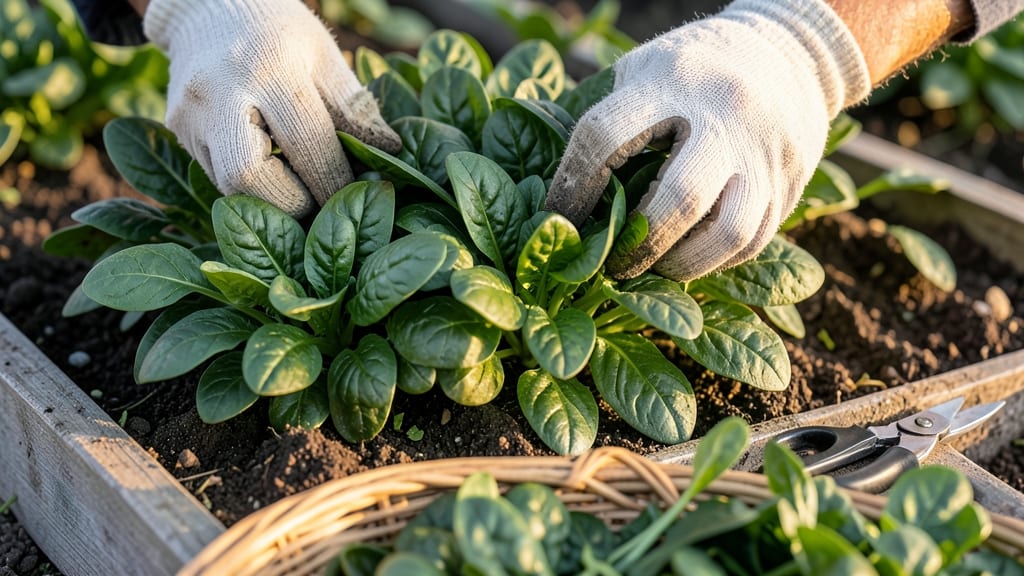
Harvesting spinach at the right time ensures tender, flavorful leaves instead of bitter, bolted greens — and the 3-week window between 50-70 days after planting is where it all happens.
Picture this: you’ve nurtured your 🥬 spinach for weeks, only to watch it shoot up flower stalks overnight. That’s bolting, and it turns your crop from sweet to tough in a heartbeat. The key? Knowing exactly when to snip for peak freshness.
In Zone 6a, spring-planted spinach typically hits harvest readiness by mid-April, while fall crops peak in September. But timing isn’t just about the calendar—leaf size, color, and stem firmness are dead giveaways.
Below, I’ll break down how to spot the perfect harvest moment, how to cut for regrowth, and why a weekly trim keeps your plants producing longer than a single big chop ever could.

When to harvest spinach: recognizing the 3-Week cutting window before bolting
Timing your spinach harvest within a 21- to 28-day window after planting is critical for tender, flavorful leaves. This 3-week cutting window marks the perfect balance between maturity and bolting—where leaves become tough, bitter, and send up flower stalks.
Missing this window means sacrificing both quantity and quality, so knowing the exact signs is your secret weapon for a successful harvest.
Spinach thrives in cool weather, and its ideal harvest time depends on your planting schedule. For spring plantings, aim for harvests between April and May, while fall plantings should yield by September or October.
The key is to watch for visual cues that signal readiness—like leaf size, color, and texture—rather than relying solely on days after planting.
Here’s the critical harvest readiness checklist to guide your timing:
| Stage | Harvest Window | Leaf Size | Color & Texture | Flavor |
|---|---|---|---|---|
| Early Harvest (Baby Leaf) | 3–4 weeks after planting | 2–4 inches long | Bright green, tender | Sweet, mild |
| Peak Harvest (Mature Leaf) | 4–5 weeks after planting | 4–6 inches long | Deep green, crisp | Rich, slightly earthy |
| Late Harvest (Bolting Risk) | 5+ weeks after planting | 6+ inches, coarse | Yellowing, tough stems | Bitter, woody |
The early harvest stage (3–4 weeks) is perfect for baby spinach leaves, which are delicate and sweet. These leaves are ideal for salads and garnishes, and harvesting them early encourages the plant to produce more tender growth.
If you wait until the peak harvest stage (4–5 weeks), you’ll get larger, more robust leaves that are perfect for cooking. This is also the best time to harvest for continuous yield, as the plant is still vigorous and hasn’t started bolting.
Pay close attention to the leaf color and texture—ready-to-harvest spinach should be a vibrant, deep green with no yellowing or browning. The leaves should feel crisp but not tough, and the stems should be firm but pliable.
If you notice any yellowing at the edges or a slight woody texture, it’s a sign the plant is aging and may soon bolt, reducing both flavor and harvest potential.
One of the biggest mistakes gardeners make is waiting too long to harvest. By the time spinach reaches 5+ weeks after planting, it often starts bolting—sending up a tall flower stalk and developing a bitter, fibrous taste.
This is your plant’s way of signaling it’s shifting from leaf production to seed production. To avoid this, prioritize harvesting when leaves reach 4–6 inches long and are still tender.
For continuous harvests, use a "cut-and-come-again" method: Snip the outer leaves first, leaving the inner leaves intact. This encourages regrowth and extends your harvest window by 2–3 additional weeks.
Just be sure to avoid cutting more than one-third of the plant at a time, or you risk stressing the roots and triggering bolting.
If you’re growing spinach in hotter climates, the cutting window may shrink to just 2–3 weeks due to accelerated bolting. In these cases, opt for shade cloth (30–50%) and succession planting every 2 weeks to ensure a steady supply of fresh, tender leaves.
This strategy keeps your harvests on track even as temperatures rise.
Finally, always harvest spinach in the morning after watering—this ensures the leaves are crisp and full of flavor. Use clean, sharp scissors or pruning shears to avoid damaging the plant, and store harvested leaves in the fridge for up to 5–7 days for maximum freshness.
Mastering the 3-week cutting window is all about observation and timing. By watching for these key signs—leaf size, color, and texture—you’ll enjoy a bountiful, flavorful harvest before bolting takes over. Happy harvesting! 🌱
Spinach bolting stages: what happens when you harvest too late (and how to prevent it)
When your 🥬 spinach starts sending up tall, wiry flower stalks, it’s officially bolted—and that’s a gardener’s worst nightmare. Bolting transforms tender leaves into tough, bitter greens, ruining your harvest just when you thought you were in the clear.
The problem? Heat stress and long daylight hours trigger this premature flowering, especially in Zone 6a during late spring or summer.
Even worse, once bolting begins, your spinach shifts energy from leaf production to seed development. That means fewer edible leaves and a shorter harvest window. The good news? You can delay bolting with smart timing and a few simple tricks—like choosing the right varieties or using shade cloth.
Let’s break down exactly what happens when you harvest too late and how to keep your spinach producing sweet, tender leaves for weeks.
Bolting isn’t just about taste—it’s also about nutritional value. Mature, bolted spinach contains higher levels of oxalates, which can irritate kidneys in sensitive individuals. Plus, the leaves become stringy and less palatable. If you’ve ever bitten into a leaf and thought, “Why does this taste like soap?”—that’s bolting talking.
⚠️ Bolting Warning Signs: Don’t Ignore These 3 Red Flags!
🌱 Flower Stalks: Tall, thin stems shooting up from the center? That’s your plant’s way of saying, “Game over for tender leaves.” Cut them off immediately to redirect energy back to the foliage.
🌡️ Temperature Spikes: Spinach bolts when soil temps hit 75°F+. If your area’s forecast shows heat waves, act fast—harvest or provide shade.
😖 Bitter Taste: The first sign of bolting is a sharp, unpleasant flavor. Test a leaf early—if it’s bitter, your plant is already on its way to flowering.
Preventing bolting starts with succession planting. Instead of sowing all your seeds at once, stagger plantings every 2-3 weeks in early spring and late summer. This ensures you always have fresh, young spinach coming in while older plants bolt.
For example, in Zone 6a, plant your first batch in March and follow up with new seeds in April and August for fall harvests.
Another game-changer? Shade cloth. If your spinach is already mature but you’re worried about bolting, drape 30-50% shade fabric over the plants during peak afternoon sun. This keeps soil temps cooler and slows down the flowering process.
I’ve extended my harvest by 2-3 weeks using this trick in my own garden—just don’t forget to remove the cloth on cloudy days to avoid stunted growth.
Finally, choose bolting-resistant varieties like ‘Bloomsdale Long Standing’ or ‘Tyee’. These hybrids are bred to tolerate warmer temps better than traditional types. Pair them with consistent moisture—spinach bolts faster when stressed by drought. Water deeply in the morning to keep roots happy and leaves crisp.
Remember: the 3-week harvest window is your golden opportunity. Once bolting starts, your spinach’s days as a tender green are numbered. But with these strategies, you can turn a potential disaster into a longer, sweeter harvest—one that keeps your kitchen stocked with fresh greens all season long. 🌿