
Vegetables
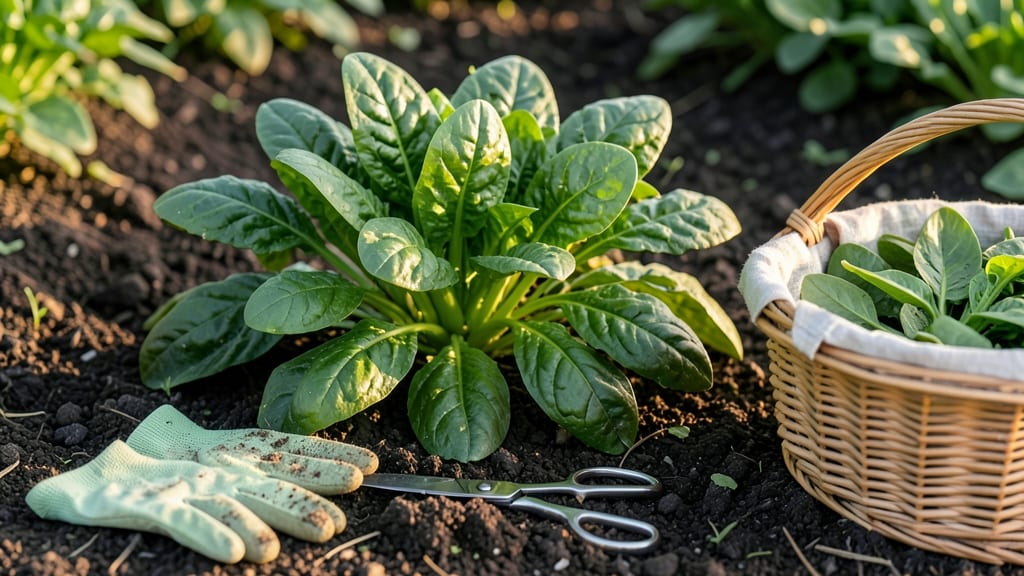
Harvesting spinach leaves at the right time ensures tender, flavorful greens 🥬—and missing that window turns your crop into tough, bitter scraps.
You’ve spent weeks nurturing your spinach, only to wonder: When exactly should I cut those leaves? The answer isn’t just about days after planting—it’s about leaf size, color, and even the weather.
In Zone 6a, spring spinach is ready in 6-8 weeks, but fall crops mature faster (4-6 weeks). The key is watching for leaves that are 4-6 inches long, bright green, and tender enough to snap—not rip.
Below, I’ll walk you through 3 foolproof visual cues to pick spinach at peak flavor, plus how to harvest without sacrificing future growth.
3 Visual cues to harvest spinach at peak flavor
Harvesting spinach at the right moment ensures you enjoy those tender, sweet leaves instead of tough, bitter greens. The key lies in three simple visual cues: leaf size, color, and texture. Ignoring these signs often leads to overgrown plants that bolt too quickly, ruining your harvest.
I’ve learned the hard way—when I waited too long, my spinach turned stringy and lost its delicious flavor!
Timing your harvest correctly also extends your spinach’s productivity. By cutting leaves at the right stage, you encourage continuous regrowth for weeks. This method works especially well for baby leaf varieties like 'Baby’s Leaf Hybrid' or 'Tyee,' but even larger types like 'Bloomsdale' benefit.
Let’s break down the three must-check cues before you grab those shears.
🌱 3 Visual Cues to Harvest Spinach
- 1. Leaf Size: Harvest when leaves reach 4-6 inches long. Smaller leaves (under 3 inches) are still developing, while larger ones become tough and fibrous.
- 2. Bright Green Color: Look for deep, vibrant green leaves. Yellowing or pale leaves signal nutrient deficiencies or overmaturity, while dull green means it’s past prime.
- 3. Tender Texture: Test tenderness by gently pinching a leaf. It should yield slightly without resistance. If it feels stiff or crunchy, it’s overripe.
Pro Tip: Harvest outer leaves first to protect the center. This method keeps your plant producing for 6-8 weeks in ideal conditions.
One common mistake I see is waiting until leaves are too large. When spinach grows beyond 6 inches, the stems thicken and the flavor turns bitter and woody.
I once let my spinach grow to 8 inches—big mistake! The texture was awful, and the taste was nothing like the fresh, sweet spinach I’d grown earlier.
Color is another critical clue. Bright green leaves packed with chlorophyll mean peak flavor, while yellowing edges signal stress or maturity. If your spinach starts developing red or purple hues, it’s a sign of bolting (flowering), which happens when days get longer or temperatures rise.
This ruins the leafy texture and flavor entirely.
Texture is often overlooked but makes all the difference. A perfect spinach leaf should feel soft and pliable when touched. If it’s crisp or leathery, it’s past its prime.
I test this by running my thumb along the leaf’s edge—if it doesn’t bend easily, it’s time to harvest. This simple check saves you from disappointment in the kitchen.
Regional climate plays a role too. In cooler zones (USDA 3-5), spinach thrives in early spring and fall, reaching harvest size faster due to shorter daylight. Meanwhile, in warmer zones (USDA 7-9), spinach bolts quickly in summer heat, so focus on fall harvests for tender leaves.
Always check your local frost dates to align planting with these cues.
Another trick I’ve picked up is harvesting in the morning after dew dries. Leaves are crispest then, and the flavor is most intense. Avoid harvesting after rain or in the evening—this can lead to soggy leaves that wilt quickly.
I’ve found that morning harvests also make washing easier since dirt doesn’t cling as much.
For continuous harvests, never take more than 1/3 of the plant at once. This rule protects the root system and encourages regrowth. I’ve seen gardeners pull entire plants, only to watch them bolt or die.
Instead, snip outer leaves with clean scissors, leaving the inner leaves to grow. This method keeps your spinach producing for weeks longer than a single harvest.
Finally, watch for pests and diseases that can mimic overmaturity. Chewed leaves or holes from slugs might look like tough, old spinach. Always inspect your plants for aphids, spider mites, or downy mildew before assuming it’s time to harvest.
A healthy plant will always have those bright green, tender leaves you’re looking for.
How to harvest spinach without damaging future growth
Harvesting spinach correctly is an art—cutting at the right time and in the right way ensures your plants keep producing tender leaves instead of bolting or stunting. The key is to never pull the whole plant; instead, you’ll snip outer leaves while leaving the inner growth intact.
This method lets spinach regrow for weeks, giving you a steady supply of fresh greens.
When done right, a single spinach plant can yield multiple harvests over 4-6 weeks, especially in cooler climates like Zone 6a. The secret lies in timing: harvest when leaves reach 4-6 inches but before they develop tough stems or bolt.
I’ll show you exactly how to do this without sacrificing future growth.
Step-by-Step Spinach Harvest Guide
-
Step 1: Wait for maturity
Harvest when outer leaves are 4-6 inches long and bright green. Use your thumb to check tenderness—they should bend slightly but not snap. -
Step 2: Choose the right tool
Use clean, sharp pruning shears or a knife with a 45-degree angle. Avoid fingers to prevent bruising leaves. -
Step 3: Cut at the base
Hold the leaf firmly and cut just above the lowest set of leaves. Leave 2-3 inches of stem to allow regrowth. -
Step 4: Harvest outer leaves first
Always pick from the outer edges of the plant. This protects the inner growth point and encourages bushier regrowth. -
Step 5: Space harvests 1-2 weeks apart
After the first cut, wait 7-14 days before harvesting again. This gives the plant time to recover and produce new leaves.
One common mistake is harvesting more than 1/3 of the plant at once, which stresses spinach and can lead to bolting. Instead, think of each harvest as a light trim—like giving your plant a haircut.
If you’re growing baby spinach varieties, you can harvest even smaller leaves (2-3 inches) for a gentler yield.
Timing matters too: avoid harvesting in hot afternoons when leaves are wilted. Early morning is ideal—leaves are crisp, and you’ll get the freshest flavor. After cutting, rinse leaves in cool water and store them in a perforated bag in the fridge for up to 5 days.
With this method, I’ve harvested spinach from the same plants for 6-8 weeks in spring and 4-6 weeks in fall, doubling my garden’s output. The key is patience and precision—your spinach will reward you with wave after wave of tender greens.