
How To
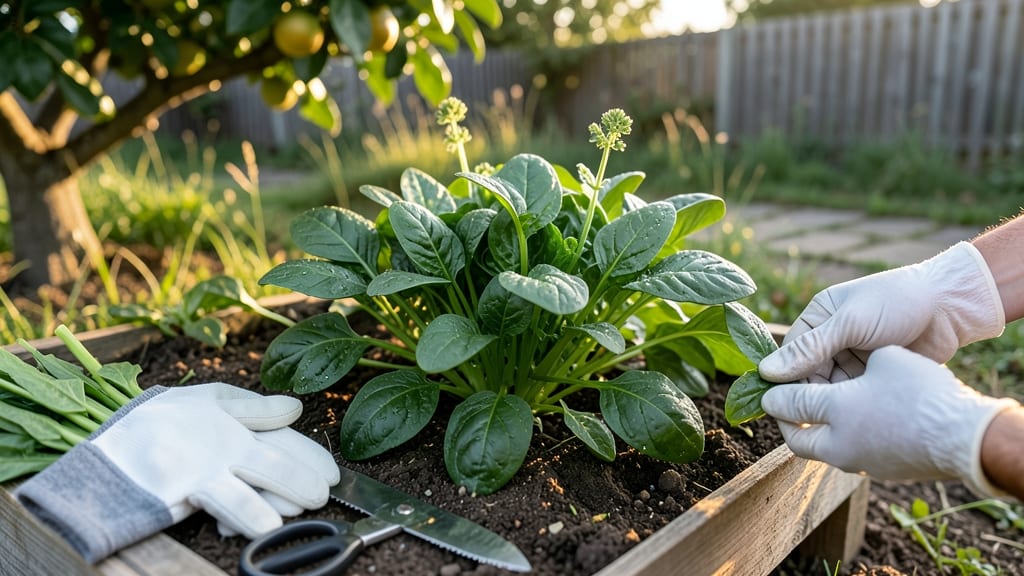
Harvesting spinach so it keeps growing requires a cut-and-come-again method that balances yield with plant health—something many gardeners overlook until their plants bolt or wilt.
Struggling to keep your 🌱 spinach thriving after harvest? The cut-and-come-again method isn’t just about harvesting—it’s about repeated harvests that keep your plants producing for weeks longer than traditional techniques. One wrong cut, and you’re left with stunted regrowth or bitter leaves.
Here’s the key: timing, leaf selection, and post-harvest care make all the difference. Skip the guesswork and learn how to harvest outer leaves without damaging the center, when to fertilize for regrowth, and how to spot signs your spinach is ready for another round.
By the end, you’ll know exactly how to extend your spinach season, avoid common mistakes like over-harvesting, and keep your plants productive for months—not just a single cut.
Step-by-step guide to harvesting spinach using the cut-and-come-again method
The cut-and-come-again method transforms your spinach harvest from a one-time event into a continuous bounty. This technique involves strategically cutting outer leaves while preserving the plant’s growth center, allowing it to regenerate for weeks.
Unlike harvesting the entire plant, this approach ensures your spinach keeps producing tender, flavorful leaves—perfect for salads and cooking—without sacrificing the plant’s vitality.
To master this method, timing, tools, and technique all play crucial roles. You’ll need to identify the right leaves to cut, use the proper cutting tools, and follow a schedule that balances harvest with regrowth.
Even experienced gardeners sometimes struggle with over-harvesting or improper cuts, which can stunt regrowth. By following these steps, you’ll maximize your spinach’s productivity while keeping it healthy and thriving.
How to Harvest Spinach So It Keeps Growing
- 1 Wait for mature leaves: Harvest only when the outer leaves reach 4-6 inches in length and are bright green and tender. Avoid cutting leaves that are still small or pale.
- 2 Use sharp scissors or pruners: A clean cut prevents damage to the plant. Avoid tearing leaves, which can invite pests and diseases. Dull tools crush stems, slowing regrowth.
- 3 Cut leaves at a 45-degree angle: Angle your cuts just above a leaf node (where leaves meet the stem). This encourages new growth from the remaining stem while keeping the plant’s structure intact.
- 4 Harvest no more than one-third of the plant: Removing too many leaves at once stresses the plant and reduces its ability to regrow. Focus on the outer leaves to protect the center growth point.
- 5 Space harvests 1-2 weeks apart: Give your spinach time to recover between cuts. In ideal conditions, you can harvest every 7-10 days, but adjust based on regrowth speed and weather.
- 6 Water and fertilize after harvesting: Provide 1 inch of water immediately after cutting to support recovery. Apply a nitrogen-rich fertilizer (like 10-20-10) to encourage new leaf growth within 24 hours.
Timing your harvests is just as important as the technique. Early morning is the best time to harvest because the leaves are crisp and hydrated. Avoid harvesting in the heat of the day, as spinach can wilt quickly, making it less appealing and slowing regrowth.
If you’re harvesting for a recipe or meal prep, cutting in the morning ensures the leaves stay fresh longer.
Another pro tip: Rotate your harvest locations if you have multiple spinach plants. This prevents over-stressing any single plant and ensures a steady supply of fresh leaves.
For example, if you have a row of spinach, start harvesting from one end and move systematically to the other, giving each plant equal recovery time.
When using the cut-and-come-again method, pay close attention to your spinach’s growth signals. If new leaves emerge quickly after a cut, your plant is thriving. However, if regrowth is slow or leaves appear yellow or stunted, it may need more nutrients or water.
Adjust your care routine accordingly to keep your spinach productive.
One common mistake is harvesting too aggressively in the early stages. Young spinach plants need time to establish a strong root system before they can support repeated cuts.
Wait until the plant has at least 5-6 mature leaves before starting the cut-and-come-again method. Patience here pays off with a longer harvest season.
Finally, keep an eye out for bolting signs—when spinach sends up flower stalks. Once bolting begins, the leaves become bitter and tough, and the plant won’t regrow well after harvest.
If this happens, it’s time to pull the plant and start fresh for the next season. With the right approach, your spinach can keep producing for 6-8 weeks or longer!
Key factors that ensure spinach regrows after harvesting (and how to optimize them)
To keep your spinach thriving after harvest, focus on four critical factors: sunlight exposure, soil moisture, nutrient balance, and pest control. Each plays a vital role in encouraging regrowth and extending your harvest season. For example, partial shade (4-6 hours of sunlight) prevents bolting while maintaining tender leaves.
Spinach needs consistent moisture—never let the soil dry out completely, but avoid waterlogging. Aim for 1 inch of water every 2-3 days during active growth, adjusting for seasonal changes. Overwatering can stunt roots, while underwatering causes stress and bitter flavors.
After each harvest, replenish nutrients with a high-nitrogen fertilizer (like 10-20-10). Apply it lightly every 4-6 weeks during spring and fall to support leafy regrowth. Over-fertilizing can harm delicate spinach roots, so follow the 1 tbsp/plant rule.
| Factor | Optimization Tip | Action Steps |
|---|---|---|
| Sunlight | 4-6 hours daily | Plant in partial shade; use shade cloth if needed |
| Soil Moisture | Consistently moist | Water early morning; mulch to retain moisture |
| Nutrients | High nitrogen | Apply 1 tbsp fertilizer every 4-6 weeks |
| Pest Control | Prevent aphids/slugs | Use neem oil or diatomaceous earth |
Pest control is often overlooked but crucial. Aphids and slugs can decimate spinach quickly. Monitor plants regularly and use neem oil or diatomaceous earth as a preventive measure. A healthy plant is less susceptible to pests, so maintaining the first three factors reduces vulnerability.
After harvesting, trim outer leaves first to protect the center growth point. This preserves the plant’s energy for regrowth. Avoid cutting more than one-third of the plant at a time, as this can shock the spinach and delay recovery.
Finally, mulch around your spinach plants to retain moisture and regulate soil temperature. Organic mulch like straw also adds nutrients as it breaks down, supporting continuous growth. With these optimizations, your spinach can regrow 3-4 times in a single season.