
Vegetables
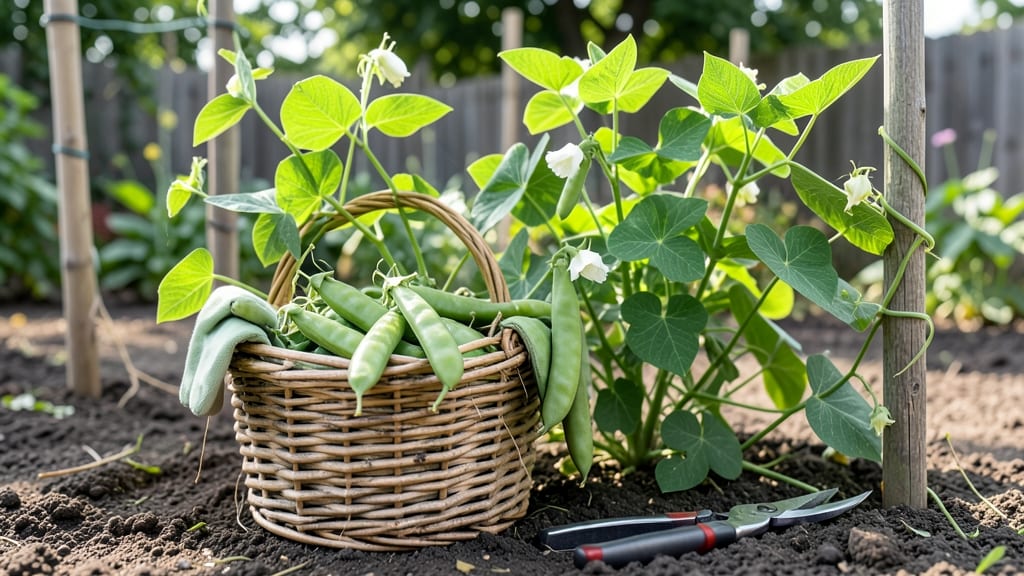
Harvesting peas at the right time turns your garden into a sweet, crunchy feast—because missing the window by even a day means tough, mealy pods instead of the bursting flavor you crave.
Most gardeners assume "when the pods look big" is the cue, but it’s actually about three key visual signals that tell you the moment is now. Ignore these, and you’ll end up with overripe peas that taste more like string beans than the tender, sweet bites you planted for.
From bright green pods just starting to swell to the perfect firmness that gives way with a gentle squeeze, I’ll walk you through the exact harvest-time checklist that keeps your pea plants producing for weeks.
Whether you’re growing sugar snaps, snow peas, or shelling types, these tricks work for every variety in USDA Zone 6a and beyond.
Ready to go from guessing to garden-pro timing? Let’s dive into the three foolproof signs that your peas are ready to pick—and how to keep the harvest coming all season long.

3 Visual cues to identify perfect pea harvest time
Timing your pea harvest correctly can mean the difference between sweet, tender pods and tough, mealy ones. Peas reach peak flavor when they're harvested at the right stage—usually 60-75 days after planting, depending on the variety.
The key is watching for these three visual cues that signal perfect ripeness. These simple checks will help you avoid both underripe and overripe pods, ensuring your garden harvest is always at its best.
First, let's clarify what you're growing: sugar snap peas, snow peas, or shelling peas each have slightly different ideal harvest times. However, the basic visual cues remain consistent across all types. The most critical factors are pod size, color, and texture.
When these three elements align, you've found your sweet spot for harvesting. Missing these cues often leads to wasted effort—either picking peas too early (when they're still bland) or too late (when they become tough and fibrous).
Here's the game-changer: A single pod can go from perfect to overripe in just 24-48 hours. That's why daily checks are essential, especially during peak production. I've learned this the hard way—once, I missed a day checking my peas, and by the time I noticed, half the pods had turned woody. The good news? These visual cues make it easy to spot the perfect moment, even for beginners.
🌱 3 Visual Cues for Perfect Pea Harvest Time
-
1. Pod Size:
Look for pods that are 2-3 inches long and slightly swollen. For sugar snap peas, this means they're about the size of your thumb. Shelling peas should be similar in length but may feel slightly firmer. Snow peas are ready when they're flat and about 2-3 inches long with no bulging seeds.
-
2. Color:
The perfect pea pod should be a bright, vibrant green. Avoid pods that are pale yellowish-green (underripe) or dull green (overripe). Shelling peas may develop a slightly darker green as they mature, but they should never turn yellow or brown. This color change is your clearest sign that it's time to harvest.
-
3. Texture:
Gently squeeze the pod—it should yield slightly under light pressure (like pressing a ripe avocado). If it's rock-hard, it's underripe. If it feels woody or fibrous, it's past its prime. For sugar snap peas, the pod should snap easily when bent. Snow peas should remain tender but not mushy.
Let me show you how these cues work in practice. Imagine you're holding a sugar snap pea pod that's 2.5 inches long and has that vibrant green color. When you gently squeeze it, it gives just a little—like a well-inflated balloon.
That's your perfect pea, ready to be picked. Now compare it to a pod that's only 1.5 inches long and feels hard as a rock. That one needs more time on the vine.
One common mistake I see is assuming all peas are ready at the same time. Pea plants produce continuously, so you'll need to check multiple pods daily. Start by examining 5-10 pods from different parts of the plant.
If most meet the three cues, it's harvest time! For shelling peas, you'll also want to peek inside the pod—look for plump, rounded seeds that fill about 75% of the pod's length. This ensures maximum sweetness and yield.
What about overripe peas? They're easy to spot once you know what to look for. Pods turn yellowish or brown, become leathery or stringy, and may even split open along the seam. The seeds inside will look wrinkled or shriveled.
At this stage, the peas are past their prime and will have a bitter, starchy flavor. The good news? Overripe pods often signal that new flowers are about to bloom, meaning another batch of peas is on the way.
Here's a trick I learned from my neighbor's 80-year-old gardener: Harvest peas in the morning when temperatures are cool. This ensures you're picking them at their crispest. Also, always pick pods from the bottom of the plant first—these tend to mature slightly earlier than those higher up.
For dwarf pea varieties, this isn't as critical, but for taller vines, this method helps you stay organized and avoid missing any hidden gems.
Remember, consistent harvesting encourages more production. When you remove ripe pods regularly, the plant focuses its energy on producing new flowers and peas rather than trying to mature existing ones.
This is why daily checks pay off—your pea plants will reward you with weeks of continuous harvest if you stay on top of it.
And don't forget: Pea pods continue to grow after harvest, so even if you miss a day, check again the next morning—you might find some that just reached perfection.
Finally, let's talk about storage. Once picked, peas should be eaten or preserved within 24 hours for best flavor. Store them in the fridge in a paper towel-lined container to maintain crispness.
For long-term storage, freeze them whole or blanch and freeze the peas from shelling varieties. Proper post-harvest care ensures you get the most out of your perfectly timed harvest.
How to harvest peas without damaging future yields
Harvesting peas the right way isn't just about picking the sweetest pods—it's about preserving your plant's energy for a continuous harvest. I've learned that rough handling or over-picking can stress pea vines, reducing future yields by up to 30%.
The key is using gentle techniques that keep your plants happy and productive all season.
Timing matters too. Different pea varieties have unique harvest windows, and picking at the wrong time can turn your sweet peas into tough, stringy disappointments.
For example, sugar snap peas should be harvested when pods are 2-3 inches long, while shelling peas need slightly larger pods with visible seeds. Let me show you the exact steps to harvest without harming your plants.
Step-by-Step Pea Harvesting Guide
- 1 Start early in the morning when pods are crisp and cool. Dew on pods indicates optimal harvest time for maximum sweetness. Cool temperatures preserve flavor better than hot afternoon air.
- 2 Use two hands—one to support the vine and one to pick. Grip the pod near the stem with your thumb and forefinger, then twist slightly while pulling downward. This prevents damaging the vine's delicate stems.
- 3 Pick every 2-3 days to encourage continuous production. Pea plants produce new flowers and pods every 7-10 days when regularly harvested. Stop picking when pods stop forming or turn yellow—this signals the plant's energy is shifting to seed production.
- 4 Leave 2-3 inches of stem attached to each pod. This helps prevent disease entry points and allows the plant to redirect nutrients more efficiently. Cutting too close can expose the vine to rot.
-
5
Harvest variety-specific cues:
- Sugar snaps: Pick when pods are 3-4 inches long and bright green.
- Snow peas: Harvest when pods are 2-3 inches and flat with visible seeds.
- Shelling peas: Wait until pods are 2.5-3 inches with plump seeds.
One mistake I see often is overcrowding the harvest basket. Peas bruise easily, and damaged pods won't store well. Instead, use a gentle shaking technique—hold a bowl under the vine and give it a light shake to dislodge ripe pods.
This works especially well for bush varieties where pods can be hidden among foliage.
After harvesting, rinse peas immediately in cool water to remove any garden debris, but avoid soaking them. Peas are 90% water, and prolonged soaking can cause them to absorb too much moisture, leading to a mushy texture.
Store them in the crispest part of your fridge (usually the vegetable drawer) where they'll keep for 5-7 days.
Remember, your pea plants are energy factories. When you harvest correctly, they'll reward you with weeks of continuous production. My record? A single 6-foot trellis produced enough sugar snaps for 8 weeks straight—all because I followed these simple steps. Now it's your turn to try!