
Vegetables
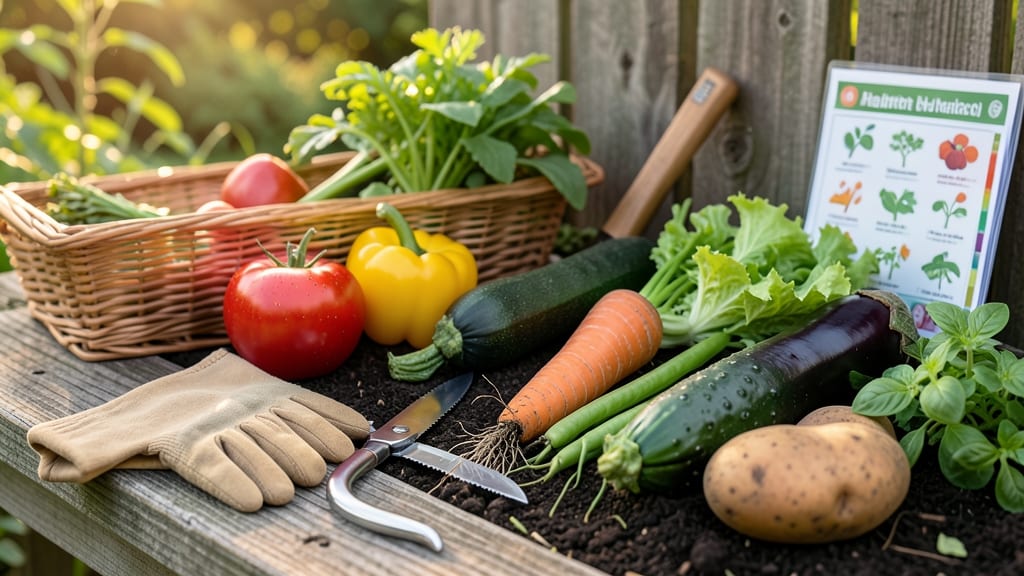
Timing your vegetable harvests correctly ensures you get the best flavor, texture, and yield—but most gardeners don’t know the exact days after planting when each crop is ready.
Picture this: you’ve spent weeks tending to your garden, only to pull a carrot that’s still woody or a tomato that’s mealy instead of juicy. The difference between a perfect harvest and a wasted effort often comes down to knowing when to pick.
In this guide, I’ll break down the ideal harvest windows for common vegetables, from fast-growing greens like lettuce (30-60 days) to slow-maturing crops like tomatoes (70-85 days).
You’ll also learn how to spot visual cues—like color changes or firmness—and adjust for your USDA Zone 6 climate to maximize your garden’s potential.
Exact harvest times for fast-growing vegetables (14-60 days)
If you're eager for quick rewards from your garden, these fast-growing vegetables deliver in just a few weeks. Knowing their exact harvest windows helps you plan meals and avoid missing peak flavor. Let's dive into the fastest crops—perfect for small spaces or impatient gardeners!
These speedy growers thrive in cool weather and provide harvests in as little as 14 days. Whether you're growing in containers or a backyard plot, timing is everything.
Radishes, for example, can be ready in just 21 days, while spinach takes about 30-40 days. Let's explore each one's ideal harvest window.
Pro Tip: Always harvest in the morning when flavors are most concentrated. Use clean, sharp tools to avoid damaging plants. For leafy greens, pick outer leaves first to encourage continuous growth.
| Vegetable | Days to Harvest | Harvest Signs | Best Practices |
|---|---|---|---|
| Radishes | 14-30 days | 1-2 inches in diameter, firm texture | Harvest before they bolt; avoid overcrowding |
| Lettuce | 30-60 days | Tender leaves, vibrant color, 6-8 inches tall | Pick outer leaves first; thin seedlings early |
| Green Onions | 40-60 days | 3-6 inches tall, white base visible | Snip tops for regrowth; harvest before flowering |
| Spinach | 30-40 days | 6-12 inches tall, dark green leaves | Harvest outer leaves; avoid bolting with shade |
| Arugula | 25-35 days | 4-6 inches tall, peppery flavor | Pick young leaves; prevent bitterness with cool temps |
| Bok Choy | 30-40 days | 6-8 inches tall, crisp stalks | Harvest whole heads; avoid heat stress |
For radishes, timing is critical—they become woody and pithy if left too long. I recommend checking soil moisture regularly; dry conditions slow growth. Plant radishes in cool weather (50-65°F) for the fastest harvests. If your garden gets hot, try shade cloth to prevent bolting.
When harvesting lettuce, look for vibrant color and tender leaves. If you notice bitter flavors, your lettuce may be bolting. This happens when days get longer in late spring. For continuous harvests, plant succession crops every 2 weeks. This ensures fresh greens all season long.
Green onions are unique because you can harvest them multiple times. Simply snip the green tops, leaving the white base intact. The plant will regrow, giving you a steady supply. For the best flavor, harvest in the morning after dew has evaporated. This preserves their crispness.
Spinach thrives in cool temperatures and can handle light frosts. If your area gets hot summers, consider growing spinach in fall or early spring. To maximize yield, keep soil consistently moist. Dry spells cause leaves to become bitter and tough.
For all these fast growers, regular harvesting encourages more production. Leafy greens like spinach and lettuce respond well to frequent picking. Radishes and green onions also benefit from timely harvests. Never let these crops go to seed—it signals the end of their productive life.
If you're growing in containers, choose compact varieties like 'Cherry Belle' radishes or 'Little Gem' lettuce. These stay small but produce abundantly. Always use well-draining soil and containers with drainage holes to prevent root rot.
Remember: Harvesting at the right time ensures the best flavor and texture. Don't wait until the last minute—missed harvest windows mean wasted effort. With these fast growers, you'll have fresh vegetables on your table in just a few weeks!
Mid-season harvest windows (60-120 days) for staple crops
Mid-season crops like tomatoes, cucumbers, peppers, and zucchini deliver the heart of your garden's bounty—but timing is everything. These vegetables thrive in USDA Zone 6's warm summers and reward precise harvesting with peak flavor and yield. Missing the window means tough, bland produce or wasted effort.
For example, a tomato harvested too early is mealy and flavorless, while a zucchini left too long becomes woody and seedy. The 60-120 day window is your sweet spot for these staples, but environmental factors like heat waves, water stress, or sunlight shifts can push harvest times earlier or later.
Extending harvests is easier than you think. For tomatoes and peppers, prune suckers (side shoots) to improve airflow and reduce disease risk. For cucumbers and zucchini, succession plant every 2-3 weeks to stagger harvests through late summer.
Heat and water play critical roles. During heat waves, mulch plants to retain moisture and use shade cloth to prevent sunscald on tomatoes. Water deeply in the morning to avoid fungal issues like powdery mildew on cucumbers.
Pro tip: Use row covers in early summer to protect young plants from pests and extend the growing season by 2-3 weeks. This is especially helpful for peppers, which struggle in cool soil.
Don’t let your mid-season crops go to waste—harvest at peak ripeness, and you’ll enjoy a continuous bounty from your garden all summer long. 🌱