
How To
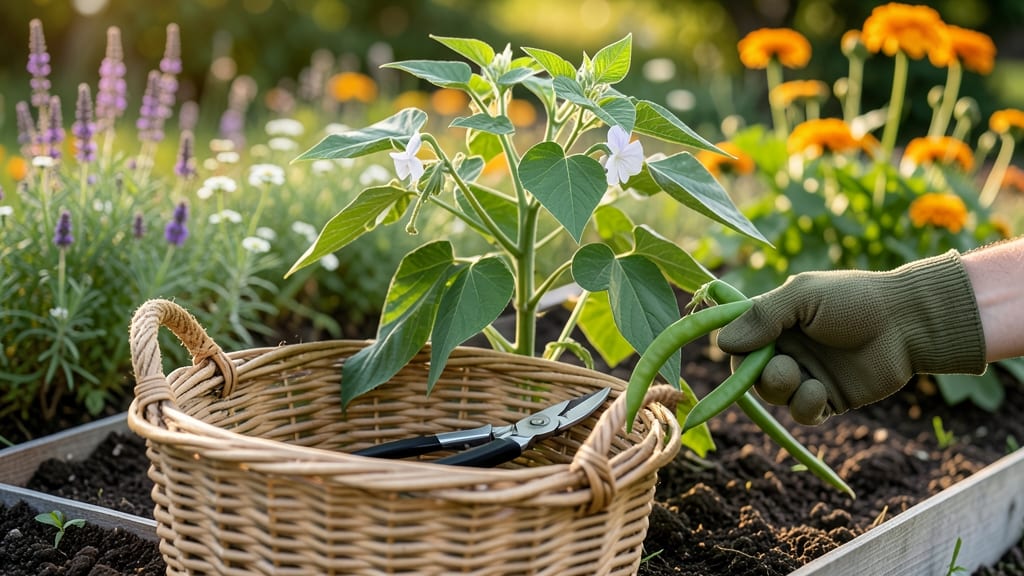
Harvesting string beans at the right time ensures they stay tender and crisp 🌱—the difference between a sweet, crunchy bite and a tough, stringy mess is just a few days.
There’s nothing more satisfying than plucking perfectly tender string beans straight from your garden—but timing is everything. Miss the window, and you’ll get tough, woody pods instead of crisp, flavorful bites.
Most gardeners wait until pods reach 4-6 inches long, but the real trick is checking for a slight twist at the stem. When the pod snaps easily and the seeds are barely visible, that’s your cue to pick.
In this guide, I’ll walk you through the exact signs of readiness, the best tools to use, and how often to harvest to keep your plants producing all summer long.
When to harvest string beans: pod color & stem twist test explained
Knowing exactly when to harvest your string beans transforms your garden from a source of tough, fibrous pods to a bounty of crisp, flavorful bites. The key lies in two simple but critical cues: pod color and the stem twist test.
These indicators work together to tell you whether your beans are at their peak—ready to be picked for the best texture and taste.
Most gardeners focus only on pod size, but the real magic happens when you combine visual clues with a quick tactile check. For example, a green string bean variety like 'Blue Lake' should have pods that are 4-6 inches long and a vibrant, even color.
Meanwhile, purple or yellow varieties like 'Dragon Tongue' or 'Golden Wax' follow similar rules but with their own color-specific maturity signs.
| Variety | Pod Color | Size (inches) | Stem Twist Test | Seed Visibility |
|---|---|---|---|---|
| Blue Lake | Bright green | 4-6 | Twists slightly | Barely visible |
| Dragon Tongue | Deep purple | 4-5 | Twists slightly | Barely visible |
| Golden Wax | Yellow | 5-6 | Twists slightly | Barely visible |
| All Varieties | Even color | 4-6 | Firm but yields | No bulging seeds |
The pod color is your first clue. For green varieties, look for a uniform, vibrant hue without any yellowing or browning. If you notice dull or mottled colors, your beans are past their prime.
For purple or yellow types, the color should remain rich and consistent—no fading or streaking. This consistency tells you the plant is still putting energy into pod development rather than seed production.
Next, perform the stem twist test. Gently grasp a pod near its base and twist slightly. If it snaps cleanly with a little resistance, it’s ready to harvest. This test works because mature pods contain more fiber and less moisture, making them harder to break.
A pod that bends without snapping or feels woody to the touch has waited too long and will be tough and stringy.
Don’t overlook the seed visibility inside the pod. When beans are at their peak, the seeds are small and barely visible through the pod wall. If you can see large, plump seeds pressing against the inside, the pod has over-matured, and the beans will be dry and mealy.
This is a clear sign to harvest more frequently moving forward.
Harvesting at the right time isn’t just about taste—it’s about encouraging continuous production. When you pick beans regularly, your plants redirect their energy to producing new flowers and pods instead of letting existing ones harden.
This means a longer harvest season and a bigger overall yield. For bush varieties, aim to harvest every 2-3 days, while pole beans can handle slightly longer intervals of 3-4 days.
One common mistake is assuming all string beans follow the same rules. While the general guidelines apply, heirloom and specialty varieties may have slight variations. For example, some yellow wax beans like 'Golden Gate' can tolerate a slightly larger size—up to 6 inches—before they become tough.
Always check the seed packet or plant tag for variety-specific recommendations.
If you’re unsure whether your beans are ready, err on the side of harvesting sooner. Beans picked slightly underripe will still be delicious and can be used in recipes that call for quick cooking, like stir-fries or salads.
Overripe beans, on the other hand, are nearly impossible to salvage—even boiling won’t restore their tenderness. Trust your senses: the perfect string bean should feel firm yet slightly yielding, smell fresh, and snap easily when bent.
Pro tip: Keep a small harvest journal to track when your plants produce their best beans. Note the pod size, color, and weather conditions on harvest days. Over time, you’ll
Step-by-step string bean harvesting technique for maximum yield
Harvesting string beans the right way makes all the difference between a crisp, sweet snack and a tough, flavorless mess. The key is to pick pods at the perfect moment—when they’re 4-6 inches long and still tender.
If you wait too long, the pods harden, and the plant stops producing. I’ve learned the hard way that missing this window means sacrificing both quality and quantity!
Start by choosing the right tools—your hands work best for delicate picking, but a small pruning shears can help if you’re dealing with thick vines. Avoid sharp scissors or knives, as they can damage the plant.
The goal is to harvest gently and efficiently while encouraging more pods to form. Let’s break it down into simple, actionable steps.
How to Harvest String Beans
- 1 Check pod readiness: Gently twist or snap a pod near the stem. If it snaps cleanly and the seeds are barely visible, it’s ready.
- 2 Pick in the morning: Harvest when pods are dry (after morning dew evaporates) to reduce rot risk and preserve freshness.
- 3 Use two hands: Pinch the pod between your thumb and forefinger while supporting the vine with your other hand to avoid tearing stems.
- 4 Harvest every 2-3 days: Frequent picking stimulates the plant to produce more pods, extending your harvest window by 4-6 weeks.
- 5 Avoid overcrowding: If pods are too numerous, thin them out to 2-3 per node to improve air circulation and reduce disease risk.
One of my biggest mistakes early on was harvesting too aggressively—pulling entire vines instead of just the pods. This shocks the plant and slows down production. Instead, focus on selective picking and always leave the leaves intact. They’re crucial for photosynthesis and keeping your plants healthy and productive.
For pole varieties, work your way up the trellis to avoid missing pods hidden among the foliage. If you’re growing bush varieties, harvest from the outside in to reach the center pods without trampling the plants.
Pro tip: Use a small basket or bucket to collect your harvest—it’s easier than carrying pods in your hands and prevents bruising.
After harvesting, store your beans in the fridge for up to 5-7 days or blanch and freeze them for long-term storage. The fresher you eat them, the better they taste—so aim to use them within 24 hours for the best texture.
With this method, you’ll enjoy a steady supply of tender, flavorful string beans all season long!