
How To
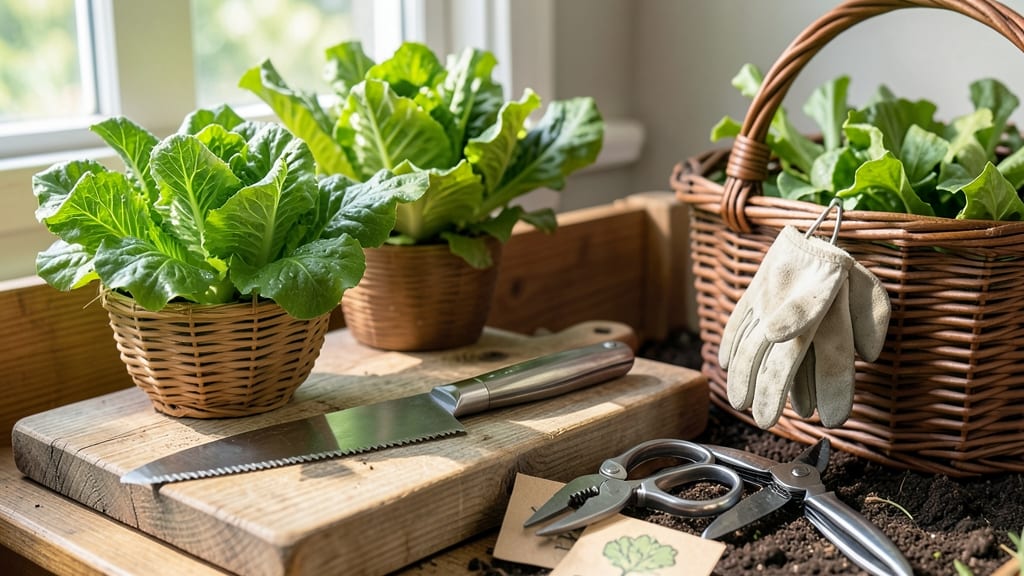
To properly harvest lettuce, start by cutting outer leaves when they reach 4-6 inches—this keeps your 🥬 plants productive and prevents bolting.
Harvesting lettuce at the right time and using the correct technique can mean the difference between crisp, flavorful salads and bitter, bolted greens—here’s how to do it perfectly.
Most gardeners make the mistake of waiting too long or cutting too aggressively, which stresses the plant and triggers flowering. Instead, focus on leaf-by-leaf harvesting with clean shears to encourage regrowth.
Below, I’ll walk you through the exact timing, tools, and post-harvest care tips to maximize your harvest—whether you’re growing loose-leaf or head varieties.
When and how to harvest lettuce using the leaf-by-leaf method
The leaf-by-leaf harvesting method is my favorite way to enjoy fresh lettuce all season long without sacrificing future growth. By picking outer leaves as they mature, you encourage the plant to produce more tender, flavorful leaves while avoiding the bitter taste that comes from bolting.
This technique works especially well for loose-leaf varieties like Buttercrunch or Black Seeded Simpson, but even head lettuces like Romaine can benefit.
Timing is everything when harvesting lettuce. Start when the outer leaves reach 4-6 inches in length and are deep green, crisp, and fully elongated—this usually happens around 30-45 days after planting, depending on the variety.
If you wait too long, the leaves may become tough or bitter, and the plant might bolt, sending up a flower stalk. Harvesting at the right time also prevents overcrowding, which stresses the plant and reduces yield.
Before you begin, gather your tools: a pair of sharp pruning shears or a clean knife, a bowl for your harvest, and a spray bottle with water. Work on a cool, cloudy morning to minimize stress on the plant.
Avoid harvesting in the heat of the day or after heavy rain, as this can damage the leaves and make them more prone to disease.
One of the biggest mistakes I see new gardeners make is harvesting too many leaves at once. Overharvesting stresses the plant and can trigger bolting, especially in hot weather. For loose-leaf varieties, limit yourself to 1-2 leaves per harvest session until the plant is well-established.
Even then, never remove more than 30% of the plant in a single session.
After harvesting, store your lettuce properly to maintain freshness. Wrap the leaves in a damp paper towel and place them in a sealed plastic bag in the refrigerator. This method keeps lettuce crisp for up to 5-7 days.
For long-term storage, consider blanching the leaves—dip them in boiling water for 30 seconds, then plunge into ice water to stop cooking. Store blanched lettuce in a sealed bag for up to 2 weeks.
If your lettuce starts to bolt (sending up a tall flower stalk), it’s a sign that the plant is stressed, often due to heat, drought, or overmaturity. To salvage the situation, harvest any remaining leaves immediately and compost the bolting plant.
In future seasons, plant shade-tolerant varieties like Oakleaf or Green Star to extend your harvest window in hot climates.
For continuous harvests, succession planting is key. Sow new seeds every 2-3 weeks during the growing season to ensure a steady supply of fresh lettuce. Pair fast-maturing varieties like Salad Bowl (ready in 30 days) with slower-growing types to stagger your harvests and avoid gaps in production.
With the leaf-by-leaf method, you’ll enjoy a longer harvest season, healthier plants, and fewer bitter-tasting leaves. Plus, it’s incredibly satisfying to watch your lettuce thrive and produce fresh greens week after week. Give it a try, and you’ll never buy store-bought lettuce again!
Common mistakes that cause lettuce to bolt and how to avoid them
One of the biggest frustrations for home gardeners is watching lettuce bolt—that sudden, unwanted flowering that turns crisp greens into bitter stalks. This happens when your 🥬 plants sense stress, often triggered by common harvesting mistakes. Understanding these pitfalls is key to extending your harvest season.
Heat stress, overharvesting, and poor timing are the top culprits behind bolting. For example, cutting too much foliage at once removes the plant’s energy reserves, forcing it to flower prematurely. Even well-meaning gardeners accidentally accelerate bolting by harvesting at the wrong stage or under harsh conditions.
To prevent bolting, focus on stress reduction—whether through shade cloth, proper watering, or gentle harvesting. I’ve learned that even small adjustments, like harvesting in the early morning, can make a huge difference in plant resilience.
⚠️ callout warning
⚠️ How to Properly Harvest Lettuce (Avoid Bolting!)
- Use clean shears—never tear leaves, which damages the plant.
- Cut outer leaves only, leaving the inner rosette intact.
- Harvest when leaves reach 4-6 inches—never wait for full maturity.
- Avoid harvesting in hot afternoons—stress triggers bolting.
Proper technique keeps your lettuce producing for weeks longer!
Another critical mistake is ignoring heat stress. Lettuce thrives in cooler weather, and temperatures above 75°F (24°C) can trigger bolting within days. If you’re growing in summer, use shade cloth (30-50%) to protect your plants.
I’ve seen gardeners extend their harvest by 3-4 weeks just by adding shade during peak heat.
Improper spacing also contributes to bolting. Overcrowded lettuce plants compete for nutrients and water, weakening them. Aim for 12-18 inches between plants to ensure good airflow and reduce stress. This simple adjustment can prevent bolting by up to 50% in crowded beds.
Finally, don’t forget about soil fertility. Over-fertilizing with nitrogen can lead to rapid growth followed by bolting. Instead, use a balanced 5-10-10 fertilizer sparingly—just enough to support steady growth without shocking the plant. I’ve found that light feeding every 4-6 weeks keeps lettuce happy and productive.
By avoiding these common mistakes—overharvesting, heat stress, and poor spacing—you’ll enjoy a longer, more abundant lettuce harvest. The key is patience and attention to your plants’ needs. With the right care, your 🥬 greens will stay crisp and delicious for months!