
Vegetables
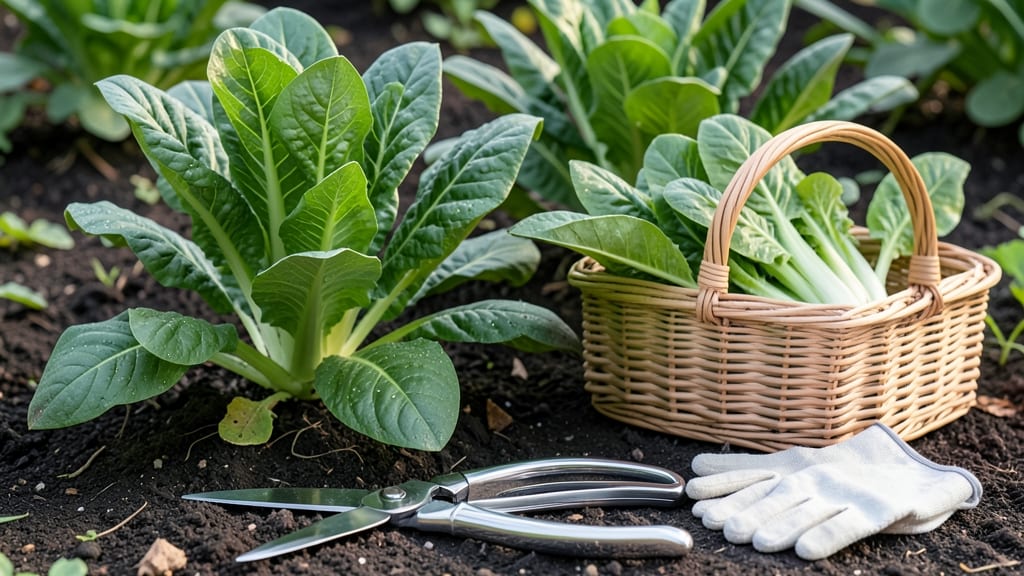
Harvesting romaine lettuce at the right time means the difference between crisp, sweet leaves and bitter, tough stems that ruin your salads.
There’s nothing worse than waiting too long—only to find your 🥬 romaine turning woody or bolting into a flower stalk. But timing it right means you’ll get that perfect balance of tenderness and flavor, and you might even coax another round of growth from the same plant.
Most romaine varieties are ready in 45–60 days, but the real trick is knowing when to pull the stem: it should snap cleanly, not tear.
I’ll walk you through the exact signs to watch for, how to tell if you’re harvesting too early or too late, and how to keep your plants producing long after the first cut.
Whether you’re growing in spring or fall, you’ll learn how to maximize your yield without sacrificing future harvests—and why cutting outer leaves first is the secret to a never-ending supply of fresh greens.

How to test romaine lettuce harvest readiness using the stem snap method
Harvesting romaine lettuce at the perfect moment ensures crisp, sweet leaves bursting with flavor. The stem snap test is my go-to method—it’s foolproof and saves you from bitter, overmature greens. This technique relies on the plant’s natural structure: a ready-to-harvest stem should snap cleanly when bent, not bend or break.
Let’s break down how to master this test and avoid common mistakes.
Before testing, check these visual cues for readiness: your romaine should stand 8-12 inches tall, with deep green, elongated leaves that feel firm to the touch. The outer leaves should form a tight rosette, signaling maturity.
If your plants are smaller or leaves are still tender, they need more time. Overlooking these signs often leads to harvesting too early or too late—both ruin the flavor.
Here’s why the stem snap test works: mature romaine stems contain higher cellulose content, making them crisp and sturdy. When you bend a ready stem, it should snap with a clean break near the base.
If it bends without snapping, the plant isn’t mature enough. This simple test replaces guesswork with science, ensuring you harvest at peak flavor and texture.
Step-by-Step: The Stem Snap Test for Romaine Lettuce
- Step 1: Choose a Healthy Outer Leaf Select the largest, firm outer leaf near the base of the plant. Avoid damaged or yellowing leaves—they skew results.
- Step 2: Grip the Stem 1-2 Inches from the Base Use your thumb and forefinger to pinch the stem gently. Apply even pressure to avoid crushing the stem.
- Step 3: Bend the Stem Slowly Apply gradual pressure downward. Watch for the moment the stem snaps cleanly—this is your cue for harvest readiness.
-
Step 4: Interpret the Result
- Clean Snap = Ready to Harvest (ideal flavor and texture)
- Bends Without Snapping = Not Ready (wait 3-5 more days)
- Crumbles or Breaks Easily = Overmature (harvest immediately to avoid bitterness)
- Step 5: Harvest the Outer Leaves First Use clean scissors or pruners to cut leaves at the base. Leave the inner leaves to continue growing for a second harvest.
The stem snap test isn’t just about timing—it’s about preserving flavor. Romaine lettuce left too long in the ground develops bitter compounds (like lactucin) as it bolting. Conversely, harvesting too early means small, underdeveloped leaves with weak flavor.
Aim for 45-60 days after sowing, but always confirm with the snap test. This method works for both loose-leaf and head-forming romaine varieties.
One common mistake is testing the wrong stem. Always check the outer leaves’ stems, not the inner ones. Outer stems are more mature and give accurate results. Another error? Testing in extreme heat—lettuce wilts easily, making stems appear softer than they are.
Perform the test in the early morning when stems are hydrated and firm. Pro tip: If your garden is in a hot climate, harvest in the shade to avoid stressing the plant.
What if your romaine snaps but feels woody? This usually means it’s overmature. While still edible, the texture becomes tough. To salvage it, cut the entire head and use the leaves in soups or smoothies where texture matters less.
For future harvests, aim to test stems 1-2 days earlier if your climate accelerates growth. Adjusting your timing based on local conditions ensures consistent success.
For successive harvests, trim leaves 1 inch above the soil after the first cut. This encourages regrowth, but only if the plant has healthy roots and hasn’t bolted. After trimming, water deeply and apply a light nitrogen fertilizer to support new growth.
Monitor the stems again in 7-10 days—they should snap more easily as the plant recovers. This method can yield 2-3 harvests per season if done correctly.
Remember, the stem snap test is your best friend for romaine lettuce harvest time. It’s quick, reliable, and eliminates the guesswork. Combine it with checking leaf size, color, and firmness, and you’ll always know when to harvest for the crispest, sweetest greens.
Once you master this technique, you’ll never waste another bitter leaf again!
🥬
Optimal harvest windows for romaine lettuce by variety and season
Romaine lettuce thrives under the right conditions, but its harvest timing varies by variety and season. Spring-planted lettuce grows faster in cooler weather, while fall crops mature more slowly as temperatures drop. Understanding these differences ensures you harvest at peak crispness and flavor rather than bitter disappointment.
Different romaine varieties have distinct maturity windows. For example, 'Parris Island' typically reaches harvest in 45-55 days, while 'Little Caesar' matures slightly faster at 35-45 days. Seasonal shifts also play a role—spring harvests often come 10-15 days earlier than fall harvests due to warmer soil temperatures.
| Variety | Spring Harvest Window | Fall Harvest Window | First Harvest Method | Successive Harvest Notes |
|---|---|---|---|---|
| Parris Island | 45-55 days (May-June) | 55-65 days (Oct-Nov) | Cut outer leaves | Regrows in 7-10 days |
| Little Caesar | 35-45 days (April-May) | 45-55 days (Sept-Oct) | Pull entire head | No regrowth; replant |
| Dark Green Romaine | 50-60 days (May-June) | 60-70 days (Oct-Nov) | Trim base leaves | Harvest every 10 days |
*Harvest times assume ideal growing conditions (60-70°F soil temps, consistent moisture).
Spring harvests often yield larger, more tender romaine because cooler nights slow bolting. In contrast, fall crops may develop bolting-resistant traits but require 10-15% longer to mature.
For example, 'Parris Island' in spring might reach harvest in late May, while a fall planting of the same variety won’t be ready until mid-October.
For successive harvests, focus on cutting outer leaves rather than pulling the entire plant. This method extends your harvest by 2-3 weeks while encouraging new growth.
After your first harvest, watch for new leaf formation—if the center remains firm and upright, it’s ready for another cut in about 7-10 days.
Heat stress during summer can delay harvests by up to 20 days, so prioritize shade cloth or container growing in hot climates. Conversely, crisp fall mornings after light frosts can enhance flavor, making it ideal to harvest just before sunrise when leaves are most hydrated.
Pro tip: Mark your planting dates and use a garden journal to track maturity. Over time, you’ll notice patterns specific to your microclimate—like whether your 'Little Caesar' matures faster in spring or fall. Adjust your schedule accordingly for year-round harvests.