
Vegetables
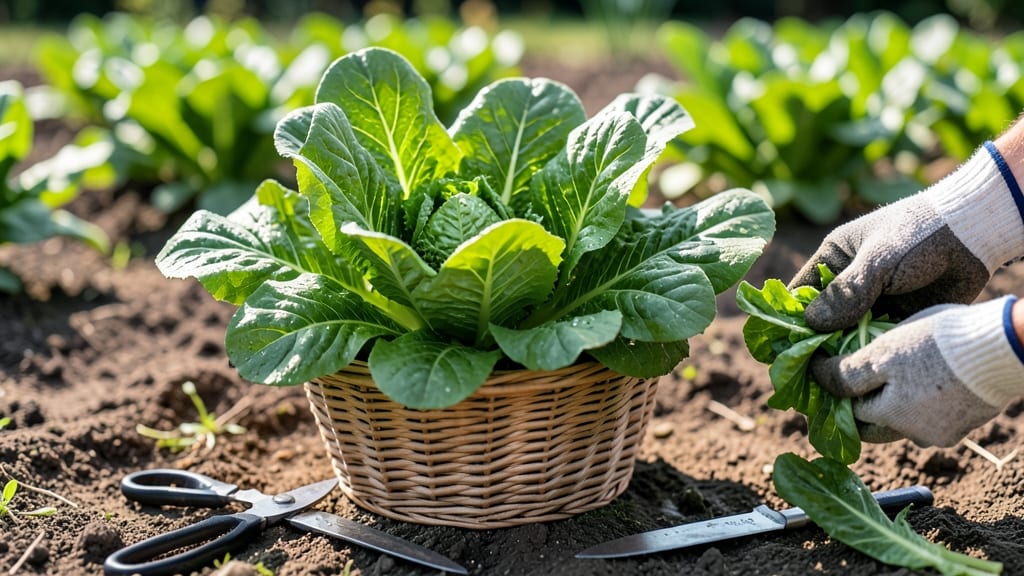
Harvesting Black Seeded Simpson lettuce 🥬 at the right moment means crisp, tender leaves packed with flavor—before they bolt or turn bitter.
Picture this: you’ve nurtured your plants for weeks, and now the outer leaves are fully formed, cupping tightly like little bowls. That’s your cue to start cutting—because waiting too long turns your harvest into a sad, wilted mess.
Timing is everything, especially in Zone 6a, where spring and fall harvests demand extra attention. Too early, and the leaves are still tender; too late, and you’re left with tough, bitter greens.
Below, I’ll walk you through the exact signs to look for, how to cut without damaging the plant, and even how to revive it for a second harvest—so you never waste a single leaf.
When to harvest Black Seeded Simpson lettuce for optimal crispness and flavor
Harvesting Black Seeded Simpson lettuce at the right moment ensures peak crispness and flavor, preventing the bitter taste that develops as leaves mature. This variety thrives when you pick it at its tightly cupped stage, where the outer leaves form a compact rosette.
Missing this window means sacrificing tenderness for toughness, so let's dive into the exact cues to watch for in your garden.
Timing your harvest isn't just about leaf size—it's about color vibrancy, leaf firmness, and avoiding the bolting trigger that heat or drought can cause.
In cooler climates, you might harvest as early as 45 days after sowing, while warmer regions should aim for 30-40 days to prevent premature flowering. Understanding these seasonal adjustments will maximize your yield.
📋 Key Harvest Indicators
| Indicator | Details | Action |
|---|---|---|
| Leaf Size | Outer leaves reach 4-6 inches | Harvest when fully formed but still tender |
| Color | Deep green with no yellowing | Avoid harvesting if leaves fade or bolt |
| Texture | Crisp and firm to touch | Use thumb test: leaves should spring back |
| Leaf Cupping | Tight rosette formation | Harvest outer leaves first to maintain shape |
| Seasonal Timing | Cool seasons: May-June, Warm seasons: September-October | Adjust for USDA Zone 6a frost dates |
One of the most reliable ways to determine harvest readiness is the thumb test. Gently press a leaf—if it feels firm and springs back, it's ready. If it dents easily, wait another 3-5 days.
This simple check avoids the common mistake of harvesting too early, when leaves are still tender but underdeveloped, or too late, when bitterness sets in.
Seasonal timing plays a crucial role in preventing bolting, which turns your lettuce into a flower stalk. In spring plantings, aim to harvest before May 15 in most regions to avoid heat stress.
For fall plantings, harvest before the first frost hits—typically by October 15 in Zone 6a. Adjust these dates by 1-2 weeks north or south of your location.
Watch for color changes as a warning sign. If leaves develop yellowing edges or reddish tinges, it's a sign of stress or maturity.
These cues indicate you've missed the optimal harvest window. Black Seeded Simpson maintains its deep green hue when properly cared for, so any deviation from this color is your signal to act quickly.
Another pro tip: harvest outer leaves first to encourage continuous production. This method, called cut-and-come-again, allows the inner leaves to mature while keeping the plant productive. Use clean, sharp pruning shears to cut leaves at the base, leaving the growth point intact.
This approach can extend your harvest season by 3-4 weeks compared to full-head harvesting.
In hot climates, lettuce bolts faster due to heat stress. If your plants start sending up flower stalks, they've already passed their prime harvest window. To prevent this, provide afternoon shade during summer months and keep soil consistently moist.
Mulching with straw or shredded leaves helps retain moisture and regulate soil temperature, giving you more time to enjoy crisp harvests.
For container growers, timing is even more critical since roots have less space to recover. Harvest when leaves reach 3-4 inches in containers, as they mature faster due to limited resources.
Use well-draining pots with a 50/50 mix of potting soil and compost to support healthy growth and prevent bolting.
Finally, store harvested lettuce properly to maintain its crispness. Wrap leaves in a damp paper towel and place them in a perforated plastic bag in the fridge. This method keeps them fresh for 7-10 days, allowing you to enjoy your harvest long after picking.
With these timing tips, you'll transform your garden into a crisp, flavorful lettuce powerhouse.
Step-by-step harvesting techniques to preserve lettuce quality
Harvesting Black Seeded Simpson lettuce properly ensures you get the crispest, most flavorful leaves while keeping your plant healthy for future harvests. The key is to cut leaves correctly and consistently, avoiding damage to the inner rosette that fuels regrowth.
I’ve learned that even a small mistake—like pulling instead of cutting—can stress the plant and trigger bolting or bitterness.
Using the right tools and techniques makes all the difference. A sharp pair of scissors or pruning shears gives you clean cuts, while dull blades tear leaves and invite disease.
I always harvest on a cool morning when leaves are firm, not wilted from afternoon heat. This simple habit keeps your lettuce crisp and fresh for days.
How to Harvest Black Seeded Simpson Lettuce
-
Step 1: Wait for Leaf Cupping
Harvest when outer leaves reach 4-6 inches and cup tightly. This signals maturity without bitterness. -
Step 2: Use Sharp Scissors
Snip leaves 1 inch above the base with clean scissors to avoid tearing. Never pull—it damages roots. -
Step 3: Harvest Outer Leaves First
Cut 2-3 outer leaves per plant to encourage regrowth. Leave the inner rosette intact. -
Step 4: Store Properly
Rinse leaves in cool water, pat dry, and store in a ventilated container with a damp paper towel. -
Step 5: Revive Wilted Lettuce
Soak wilted leaves in ice water for 10 minutes to restore crispness before using.
After harvesting, post-harvest care is just as critical as the cutting process. I always rinse my lettuce in cool, filtered water to remove dirt and pests, then pat it dry with a clean towel.
Storing it in a plastic bag with a paper towel absorbs excess moisture, preventing mold while keeping leaves fresh for up to a week in the fridge.
If your lettuce starts to wilt, don’t toss it! A quick ice water soak can revive it. I’ve revived wilted Black Seeded Simpson by submerging the leaves in ice water for 10-15 minutes, then drying them thoroughly.
This trick works wonders for salad greens that lose their crispness too soon.
For continuous harvests, I space my cuts every 7-10 days, always leaving the inner leaves untouched. This method keeps the plant producing tender, flavorful leaves for weeks. Just remember: over-harvesting weakens the plant, so balance is key.
With these techniques, you’ll enjoy crisp, homegrown lettuce all season long—no bitter aftertaste or sad, wilted leaves in sight. Happy harvesting! 🥬