
How To
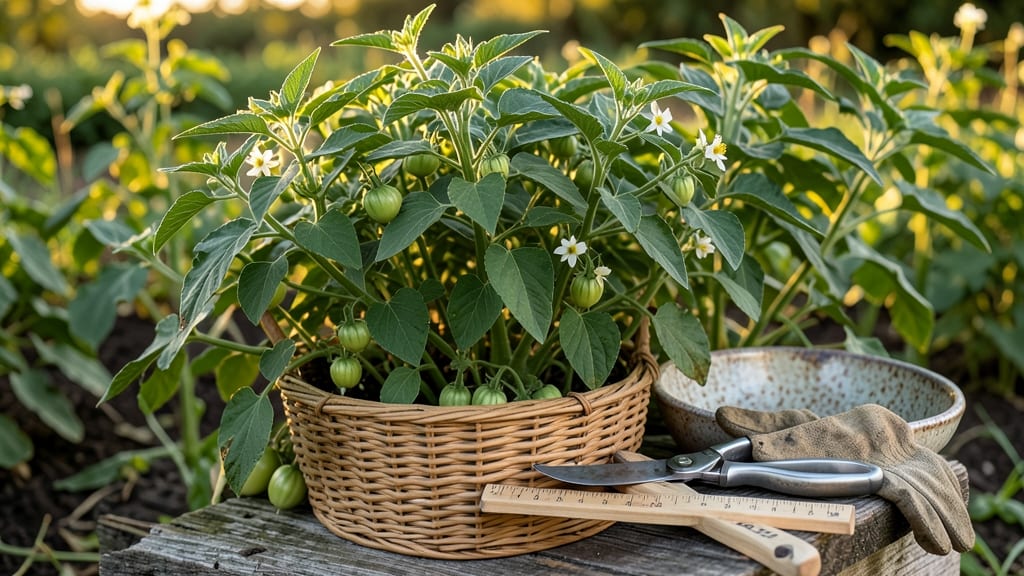
Knowing when to harvest tomatillos means catching them at their peak flavor—when they’re firm but yielding, with husks that’ve turned from bright green to a light tan.
Picking too early gives you bland, mealy salsa verde, while waiting too long turns them mushy and bitter. But mastering these 3 visual cues will ensure you harvest them at the perfect moment, every time.
Tomatillos ripen between July and September in most climates, but the real secret lies in their color, size, and texture—not just the calendar. A papery husk, a diameter of 1–2 inches, and a slight give when pressed are your green lights.
In this guide, I’ll walk you through exactly what to look for, plus how to test readiness without guessing. No more wasted harvests—just perfectly ripe tomatillos ready for your next dish.
3 Visual cues to harvest tomatillos at peak ripeness
Harvesting tomatillos at the right moment transforms your garden bounty into vibrant, tangy salsa verde or pico de gallo. But one wrong move—like picking too early or too late—can ruin your flavor. The key lies in these 3 visual cues that reveal when your tomatillos are ready.
I’ve learned the hard way that ignoring these signs leads to mealy, flavorless fruit. Let’s fix that together.
First, understand that tomatillos ripen differently than tomatoes. They don’t turn red or soften dramatically—they rely on subtle changes in color, size, and texture. These cues work for all varieties, whether you’re growing the classic green Verde type or rare purple-hued varieties.
Paying attention to these details ensures you harvest at the perfect moment, when flavor peaks and acidity balances sweetness.
- Husk Color: The papery husk surrounding each tomatillo should turn from bright green to a light tan or straw color. This indicates the fruit is mature and ready to harvest. If the husk remains fully green, the tomatillos need more time on the plant.
- Size: Aim for tomatillos that are 1 to 2 inches in diameter. Smaller fruits (under 1 inch) are underripe and lack flavor, while oversized ones may become mealy. Use a ruler to check—this simple tool saves guesswork!
- Texture: Gently press a tomatillo—it should yield slightly under gentle pressure but still feel firm. If it feels rock-hard, it’s not ready. If it’s too soft, it’s overripe. Think of it like testing a ripe avocado—just enough give!
Now, let’s talk about the color spectrum of tomatillos, because this is where many gardeners trip up. Most varieties start green and stay green, but the shade deepens as they ripen. For example, Verde tomatillos will darken to a rich, matte green, while purple varieties develop a bluish-purple hue.
The key isn’t the color itself but how it changes over time. If you’re unsure, compare your tomatillos to a ripe one—your eyes will quickly spot the difference.
Size matters more than you might think. A tomatillo that’s under 1 inch in diameter is like picking a green tomato—it’s just not ready. These tiny fruits lack the tangy flavor and firm texture you crave.
On the flip side, letting them grow beyond 2 inches risks mealiness, especially in hot climates. I’ve found that harvesting at 1.5 inches strikes the perfect balance for most varieties, but always prioritize the other cues over size alone.
Texture is your final checkpoint, and it’s often the most overlooked. A ripe tomatillo should feel heavy for its size—this indicates it’s packed with juice and flavor. Give it a gentle squeeze: if it springs back slightly but doesn’t feel hard, it’s ready.
Overripe tomatillos collapse easily and may split open, which is a clear sign to harvest sooner next time. Think of it as a stress test for your crop!
One mistake I see often is harvesting based on calendar dates instead of visual cues. Tomatillos don’t follow a strict timeline—they ripen based on growing conditions. If your plants are struggling with heat or drought, they may take longer to mature.
Always trust your eyes and fingers over a schedule. Pro tip: Harvest in the morning when temperatures are coolest—this preserves flavor and firmness.
For those growing purple tomatillos, the rules are the same, but the color cues shift. These varieties start green and develop a lavender or deep purple hue as they ripen. The husk still turns tan, and the size and texture cues remain identical.
The purple color doesn’t affect ripeness—it’s just a visual spectacle that adds a unique twist to your dishes. Just don’t let the pretty colors fool you into picking too early!
Finally, remember that consistency is key. Check your tomatillos every 2-3 days during peak harvest season (July-September in most zones). Keep a small notebook by your garden to track when you harvest—this helps you predict future harvests.
Over time, you’ll develop an instinct for when your plants are ready, but those first few harvests? Stick to the visual cues like glue.
Mastering these 3 cues turns harvesting from a guessing game into a confident, flavor-packed victory. Next time you’re eyeing those papery husks, ask yourself: Is the husk tan? Is the fruit 1-2 inches?
Does it yield slightly? If the answer is yes, grab your basket—you’re about to make the best salsa verde of your life. Happy harvesting! 🌱
Tomatillo color chart: green vs. yellow vs. purple-hued varieties
Tomatillo colors aren't just pretty—they're your secret weapon for perfect harvest timing. While most gardeners focus on husk color, the fruit's actual hue reveals even more about ripeness. Green varieties darken from pale to deep matte green, yellow types develop golden tones, and purple varieties shift from green to lavender.
Each color stage corresponds to a different flavor profile, from tart and acidic to sweet and mellow.
The most common Verde tomatillos start bright green and darken to a rich, slightly dull green when ripe. This deepening isn't about brightness—it's about the color becoming more opaque and matte.
Yellow varieties like 'Yellow Tomatillo' develop a soft golden hue, while purple types like 'Purple Tomatillo' transform from green to a beautiful lavender shade. These color changes happen gradually over 2-3 weeks, so patience is key.
| Variety | Unripe Color | Ripe Color | Overripe Sign | Flavor Profile |
|---|---|---|---|---|
| Verde | Bright lime green | Deep matte green | Dull grayish-green | Tangy, citrusy |
| Yellow | Pale green-yellow | Soft golden yellow | Brownish-yellow | Sweet-tart balance |
| Purple | Bright green | Lavender-purple | Dark purple with spots | Berry-like tang |
Here's the crucial part: color alone isn't enough. A deep green Verde tomatillo might still be hard if picked too early, while a purple one could be overripe if it's spotted or wrinkled. Always combine color with the husk test (tan color) and size check (1-2 inches).
I once picked a batch of purple tomatillos that looked perfect but tasted bland because I ignored the husk color—don't make that mistake!
Yellow varieties are often misunderstood because their color change is subtle. The key is looking for a golden undertone rather than just brightness. These types tend to ripen slightly faster than green varieties, so check them every 2 days during peak season.
Their sweet-tart flavor makes them perfect for sauces where you want to reduce acidity, but they still need that firm texture at harvest.
Purple-hued tomatillos are the showstoppers of the garden, but their color doesn't affect ripeness timing. The lavender hue develops after the fruit is already mature—it's more about visual appeal than flavor readiness.
What matters most is that the husk turns tan and the fruit reaches 1-2 inches, just like other varieties. The purple color simply adds a beautiful contrast to your dishes and a unique berry-like flavor that pairs wonderfully with chiles.
One pro tip I've learned: morning light reveals true colors. The purple hues look most vibrant in cool morning light, while harsh afternoon sun can make all colors appear dull. This is especially helpful when distinguishing between ripe purple tomatillos and those that need more time.
Always harvest in the morning when colors are most accurate and flavors are at their peak.
Remember that environment affects color development. Hot climates can cause faster ripening with more intense colors, while cooler areas may produce softer hues. Don't judge ripeness solely by color intensity—always use it as one piece of the puzzle alongside husk condition and texture.
With practice, you'll develop an eye for spotting the perfect shade that indicates both visual appeal and peak flavor. 🌱