
How To
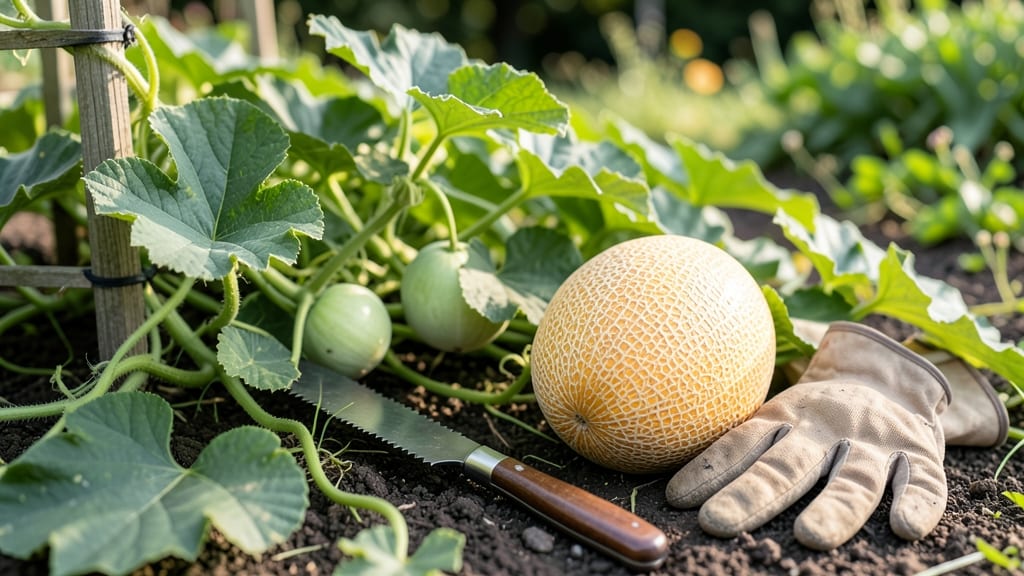
Harvesting cantaloupe at the right time ensures sweet, juicy fruit 🍈—and skipping these 3 key cues means missing out on peak flavor.
Picking too early gives you bland, seedy melons, while waiting too long risks overripe, mushy messes. The difference between a perfect harvest and wasted effort often comes down to knowing what to look for.
From the creamy yellow blush of the rind to the telltale musky scent near the stem, these visual and tactile signals are your shortcut to garden-fresh cantaloupe that tastes like summer.
Below, I’ll walk you through the exact signs to watch for—plus how to avoid the most common mistakes that turn ripe cantaloupe into a disappointment.


3 Visual signs your cantaloupe is ready for harvest
Harvesting cantaloupe at the perfect moment transforms your garden effort into a sweet, juicy reward. But how do you know when that muskmelon is truly ripe? Unlike some fruits that ripen off the vine, cantaloupes must be picked at peak ripeness for the best flavor.
The key lies in three visual cues—color, texture, and stem behavior—that reveal when your fruit is ready to enjoy.
Many gardeners make the mistake of harvesting too early, resulting in underripe cantaloupe with tough skin and bland flesh. Others wait too long, ending up with overripe fruit that’s seedy and mushy.
Learning these three harvest indicators ensures you pick your cantaloupe at its sweetest, most flavorful stage. Let’s explore what to look for in your garden.
Creamy Yellow Rind
Look for a creamy yellow or tan color on the fruit’s blush side (the side that was exposed to sunlight). Avoid green patches—this means it’s not fully ripe yet.
Stem Separation
Gently twist the stem end—if it slips easily from the vine, the cantaloupe is ready. No separation? Wait 1-2 more days for full ripeness.
Network Pattern
Check for a distinct net pattern on the rind. A well-defined, tan-colored web confirms ripeness, while faint or absent patterns mean it needs more time.
Let’s start with the most obvious clue: the color change. A ripe cantaloupe will show a creamy yellow or tan blush on the side that faced the sun. This color shift signals the fruit’s sugars have fully developed.
But here’s the catch—don’t judge ripeness by the stem end color alone. While the stem end may turn yellow, the real indicator is the blush side of the fruit. If it’s still green or dull, your cantaloupe needs more time on the vine.
Next, pay attention to the texture of the rind. A ripe cantaloupe will have a slightly rough, dull surface with a well-defined net pattern. Run your fingers over the fruit—if the skin feels firm but not hard, it’s ready.
Avoid fruits with a shiny or waxy surface, as this often means they’re overripe or have been exposed to too much moisture. The texture should be matte and slightly leathery, not slick or soft.
The third and most reliable sign is the stem separation test. This is where many gardeners go wrong—they assume a cantaloupe is ripe just because it’s changed color. But the stem end tells the real story. Gently grasp the fruit near the stem and twist slightly.
If the stem comes away easily with a slight pop, your cantaloupe is perfect. If it resists or tears, wait another day or two. This test is especially critical in hot climates, where fruits can overripe quickly.
One common mistake is harvesting cantaloupe based on size alone. A large cantaloupe isn’t necessarily ripe—it could just be overfed or overwatered. Always prioritize the three visual cues over assumptions about size or growth stage.
For example, a cantaloupe that’s 8 inches in diameter with a creamy rind and easy stem separation is ready, while a 10-inch fruit that’s still green and firm should stay on the vine.
Pro tip: Morning harvests work best because cantaloupes are cooler and firmer, making it easier to assess ripeness. Avoid picking after a hot afternoon, as the fruit’s temperature can skew your judgment.
If you’re unsure, use the thumbprint test—press your thumb into the rind. A ripe cantaloupe will leave a slight indentation that slowly springs back, while an overripe one will stay dented.
Remember, cantaloupes won’t ripen further once picked, so timing is everything. If you miss the window, your fruit may develop a fermented smell or become overly seedy.
By mastering these three visual cues, you’ll consistently harvest cantaloupes at their peak—sweet, fragrant, and bursting with flavor. Your taste buds (and your garden) will thank you!
How to test cantaloupe ripeness beyond visual cues
Sometimes, visual cues like rind color or stem separation can be misleading—especially in hot climates where cantaloupes ripen faster or cooler seasons where they take longer. That’s why I rely on three tactile and sensory tests to confirm ripeness when the signs aren’t clear.
These methods work even if your cantaloupe’s blush is faint or the stem hasn’t fully detached yet.
First, let’s address the most common confusion: why visual cues alone aren’t enough. Factors like shade from leaves, uneven sunlight exposure, or varietal differences (like heirloom types) can make rind color unreliable. That’s where these extra tests come into play—they’re your backup plan for foolproof ripeness.
⚠️ callout warning When to Harvest Cantaloupe: The Critical Overripe Warning Overripe cantaloupes lose sweetness and develop a fermented, alcohol-like scent near the stem. If the fruit feels soft or mushy when gently pressed, it’s past its prime.
Harvest 1-2 days before you detect these signs—ripe cantaloupe should yield slightly to pressure (like a ripe avocado) but not collapse. Check for wrinkled skin or dry spots, which are red flags for spoilage.
The thumbprint test is my go-to for determining firmness. Press your thumb firmly into the blush side of the cantaloupe (the creamy yellow area). If it leaves a shallow, slow-to-bounce-back indentation, the fruit is ripe.
A deep dent that springs back quickly means it’s still firm and underripe, while no indentation at all suggests overripeness.
Next, trust your nose—the scent check is non-negotiable. A ripe cantaloupe emits a strong, sweet, musky aroma near the stem end. It should smell like a mix of honey and fresh-cut grass.
If there’s no scent, the melon isn’t ready yet. Pro tip: Sniff at the stem end—this is where the most concentrated fragrance develops.
Finally, assess weight and size. A ripe cantaloupe feels heavy for its size because the seeds and flesh are fully developed. Lift it in your hand—if it feels light or hollow-sounding when tapped, it’s underripe. Compare it to a similarly sized melon: the ripe one will feel noticeably denser.
Combine these tests for the most accurate results. For example, if the thumbprint test passes but the scent is weak, wait another day. Conversely, if the stem separates easily but the melon feels too light, it might need more time on the vine.
These methods work for all cantaloupe varieties, from classic Honeydew to bush types like Amish or Athena.