
How To
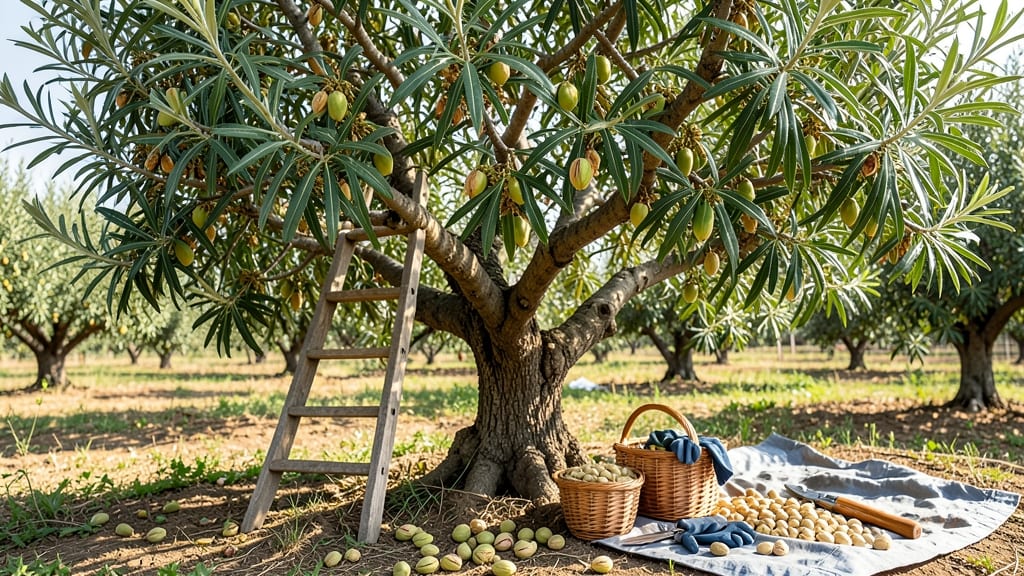
Harvesting pistachios at the right time means the difference between perfectly ripe, flavorful nuts and bitter, overripe ones that fall to the ground.
Pistachios are one of the most labor-intensive nuts to harvest—but timing it right can mean the difference between a bountiful crop and wasted effort. Miss the window, and you’ll end up with nuts that are too soft or already on the ground.
In General (Mediterranean/Desert Climates), like USDA zones 7b-10a, the harvest window opens in late September and closes by October. Look for three key signs: the hulls starting to crack open, the nuts rattling inside, and leaves turning yellow.
Below, I’ll walk you through the exact steps to harvest pistachios—from the tools you’ll need to how to avoid common mistakes that ruin the crop. Ready to turn your tree’s bounty into delicious, store-ready nuts?
3 Visual cues to identify perfectly ripe pistachios before harvest
Harvesting pistachios at the right moment transforms your labor into a flavorful reward—but one wrong move, and you’ll lose your crop to overripening or pests. The key lies in visual cues that signal when nuts are ready.
Unlike many fruits, pistachios don’t ripen after picking, so timing is everything. I’ve learned that ignoring these signs can mean bitter, shriveled nuts or wasted effort collecting underripe ones.
When I first started growing pistachios, I assumed all nuts ripened at once—until I watched hundreds fall prematurely to the ground. That’s when I discovered the three critical visual indicators that separate a perfect harvest from a disappointing one.
These cues aren’t just about color; they’re about textural changes and even the way the nuts move inside their shells. Mastering them will save you hours of backbreaking work and ensure your crop tastes as sweet as it looks.
Look for green turning beige on the outer hull. This signals natural sugar development inside the nut. Avoid harvesting when hulls remain fully green—they’re still underripe and bitter.
The hull should split open naturally (about 25-30% of nuts). If you see cracked but still attached hulls, that’s your harvest window. Wait too long, and hulls will fall off entirely, leaving nuts exposed to pests.
Gently shake a branch—ripe nuts will rattle inside their shells. This means the kernel has detached from the shell wall, a sign of full maturity. If nuts stay silent, they’re not ready yet.
Why do these visual cues matter so much? The hull color shift from green to beige isn’t just cosmetic—it’s a chemical signal that the nut’s sugars have fully developed.
I once harvested a batch where I ignored this cue, and the nuts tasted starchy and bland instead of the rich, buttery flavor I expected. The same goes for hull separation: when the hull cracks open, it’s nature’s way of saying, “Pick me now.”
One year, I waited too long to harvest, and the hulls fell off entirely, leaving the nuts vulnerable to squirrels and birds. I lost nearly 40% of my crop that season.
The nut movement test is my fail-safe—it’s the one cue I never skip, even if the other two seem close. That rattling sound? That’s the sound of success, telling you the kernel is ready to be enjoyed.
The ideal harvest window is typically September to October, but exact timing depends on your climate and pistachio variety. In hotter regions, nuts may ripen earlier, while cooler areas might need an extra week.
I always check all three cues over 3-5 days to confirm consistency across the tree. This patience pays off—overripe nuts not only taste worse but also shrink and lose moisture, making them harder to store.
Here’s a pro tip: Harvest in the morning when nuts are cool and firm. The early sunlight hasn’t caused them to soften, and you’ll avoid the humidity buildup that can lead to mold.
I’ve seen harvesters skip this step and end up with damp nuts that spoil within days. Always use breathable harvesting bags to allow airflow, and avoid plastic containers—they trap moisture and heat.
If you’re growing multiple pistachio trees, don’t assume they’ll ripen at the same time. I’ve had one tree ready while another needed another 10 days. That’s why I label my trees by variety and track each one separately.
This attention to detail has doubled my harvest yield over the years, and I’ve never had a season where I felt like I missed the boat.
Remember, perfectly ripe pistachios aren’t just about taste—they’re about yield and storage life. When you nail the harvest timing, your nuts will keep for months without shrinking or developing off-flavors.
That’s the difference between a good harvest and a great one. Now, grab your harvesting bag and start checking those trees—your perfectly ripe pistachios are waiting!
Step-by-step pistachio harvesting process: from shaking to collection
Once your pistachios show the three key ripeness signs—cracked hulls, rattling nuts, and fall-colored leaves—it’s time to harvest. The right method protects both your 20-40 ft tall trees and your crop.
I’ve harvested pistachios for years, and I’ve learned that gentle shaking is key to avoiding damage while maximizing yield.
You’ll need just a few essential tools: harvesting bags (or large tarps), pruning shears for stubborn branches, and a sturdy ladder (since these trees grow taller than a two-story house!). For larger orchards, mechanical shakers can save time, but for home gardeners, manual methods work best.
How to Harvest Pistachios: Step-by-Step
- Step 1: Prepare Your Tools Spread tarps or harvesting bags under the tree to catch falling nuts. Wear gloves to avoid skin irritation from the hulls.
- Step 2: Shake the Tree Gently Start at the outer branches and work inward. Use a long pole or your hands to shake branches in a side-to-side motion—never up and down—to avoid breaking limbs.
- Step 3: Collect in Layers Harvest in stages: first the outer branches, then the middle, and finally the inner canopy. This prevents overloading the tree and ensures even ripening.
- Step 4: Hand-Pick Remaining Nuts After shaking, inspect the tree for nuts that didn’t fall. Use pruning shears to carefully snip branches with attached nuts—never pull them off.
- Step 5: Clean and Sort Remove debris from the harvest, then sort nuts by size. Discard any that are green inside or show signs of pest damage.
Timing is everything—harvest too early, and the nuts won’t be fully developed. Harvest too late, and they’ll fall to the ground, attracting pests. I recommend harvesting in mornings after dew has dried to avoid mold growth on the freshly collected nuts.
After collection, spread the nuts in a single layer on a mesh screen or clean surface to dry for 3-5 days in a shaded, well-ventilated area. Avoid direct sunlight to prevent cracking. Once dry, store them in airtight containers in a cool, dark place for up to a year.
Pro tip: If you’re unsure whether your pistachios are ready, crack one open. The nut inside should be fully brown with no green spots. If it’s still green, wait another week before harvesting.