
How To
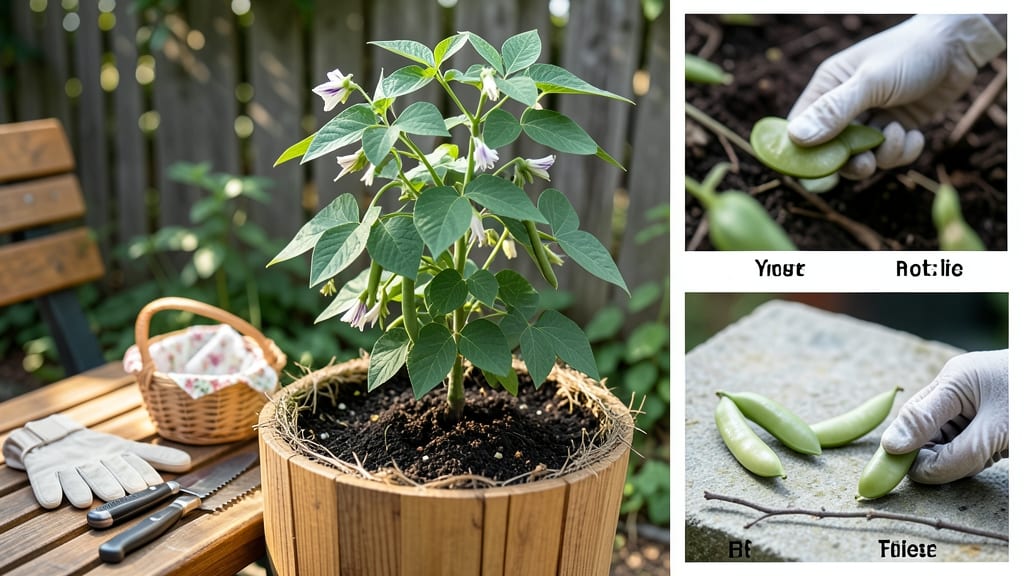
Knowing when to harvest green beans is all about timing those crisp-tender pods before they turn tough and stringy—here’s how to get it right every time.
Picture this: you’ve been waiting weeks for your 🌱 green beans to mature, and now the pods are growing fast. But how do you know the exact moment to pick them? Miss it, and you’re left with flavorless, woody beans that even a good recipe can’t save.
Luckily, the answer lies in three simple tests—pod size, firmness, and that satisfying snap when bent. These cues tell you whether your beans are at their peak or already past it, ensuring a harvest that’s both bountiful and delicious.
Below, I’ll walk you through each method, plus how often to pick and the biggest mistakes to avoid so your green beans stay tender and flavorful all season.


3 Tactile tests to determine perfect green bean harvest readiness
Nothing beats the satisfaction of plucking crisp, tender green beans straight from the vine—except maybe the disappointment of overripe, stringy pods that turn your harvest into a chewy mess. The secret? Knowing exactly when to pick.
While most gardeners focus on pod size and color, the real magic happens when you engage your senses. I’ve tested three tactile methods over years of gardening, and they never fail to deliver that perfect snap and flavor.
Let’s dive into how to use your eyes, fingers, and ears to master the harvest.
First, let’s talk about why timing matters. Green beans are best harvested young, typically between 45 and 60 days after planting, depending on the variety. Waiting too long causes the pods to harden and develop starch, turning them into tough, woody snacks.
But harvesting too early means underdeveloped flavor and small yields. The key is finding that sweet spot of maturity—and your hands are your best tool for nailing it.
- 📏 Visual Test: Pods should be 4-6 inches long and bright green (or the color of your variety). Look for smooth, even surfaces with no wrinkles or bumps.
- 👆 Touch Test: Gently squeeze the pod—it should feel firm but yield slightly, like a crisp apple. If it’s soft or mushy, it’s underripe; if it’s rock-hard, it’s past prime.
- 🔊 Snap Test: Bend the pod away from you—it should snap cleanly with a satisfying crack. No snap? Wait a day or two. A dull, fibrous break means it’s overripe and tough.
- 👁️ Seed Check: Peek inside the pod (gently!)—seeds should be visible but not bulging. If they’re tiny dots, the bean is too young; if they’re large and round, it’s time to harvest before they take over.
Pro Tip: Harvest every 2-3 days to encourage more production—beans grow fast!
Let’s break down the visual test first, because it’s the easiest way to start. Most green bean varieties hit their peak harvest size between 4 and 6 inches.
For example, Blue Lake beans are classic at 5-6 inches, while Roma beans (also called wax beans) are best at 3-4 inches. Pay attention to the color consistency—pods should be uniformly bright green (or purple, yellow, or striped, depending on the variety).
Any yellowing or browning is a sign of stress or overripeness.
The touch test is where things get interesting. Your fingers can tell you more than a ruler ever could. A perfectly ripe green bean pod should feel firm to the touch but still have a slight give when pressed gently.
Think of it like testing a ripe avocado—not too soft, not too hard. If the pod dents easily, it’s underripe and still developing. If it feels wooden or fibrous, it’s past its prime.
This test is especially useful for bush beans, which can mature unevenly across the plant.
Now, here’s a trick most gardeners miss: the sound test. This is my favorite because it’s instant feedback with no tools needed. Hold a pod in one hand and bend it away from you with the other.
A ripe green bean should snap audibly, almost like a dry twig breaking. If you hear a dull thud or feel resistance, the pod is overmature.
Pro tip: Do this test in the morning when pods are cool and crisp—heat can make them seem firmer than they are.
Don’t overlook the seed check, either. This is a quick way to gauge maturity without damaging the pod. Gently open the seam of a bean (you don’t need to break it—just part the edges) and peek inside.
You’re looking for small, flat seeds that fill the pod but aren’t crowding each other. If the seeds are barely visible, the bean needs more time. If they’re round and plump, you’ve waited too long.
The ideal is when seeds are visible but not dominant—this is when the pod is packed with flavor.
One common mistake I see is harvesting all beans at once thinking it’s more efficient. Here’s the truth: Green beans produce continuously as long as you keep picking them. If you leave pods on the vine, the plant redirects energy to seed development, reducing your yield.
Aim to harvest every 2-3 days during peak season to keep the plant productive and happy. And always use clean, sharp scissors or pruners to avoid damaging the plant.
Temperature plays a sneaky role in harvest readiness, too. In hot weather (above 85°F), beans can mature faster and develop bitter flavors. If you’re harvesting in the heat, pick in the early morning when pods are cool and crisp.
Conversely, in cooler weather (below 60°F), growth slows, so you might need to harvest less frequently but still check for readiness using the tactile tests.
Finally, let’s talk about variety-specific quirks. Pole beans like 'Kentucky Wonder' tend to produce longer pods (up to 8 inches), while bush beans like 'Blue Lake' stay shorter (4-5 inches). Always check your seed packet for variety-specific guidelines, but use the tactile tests as your final judge.
Over time, you’ll develop an instinct for when your specific plants are ready—it’s like learning a new language, but with crisp, delicious rewards.
Mastering these three tactile tests will transform your green bean harvest from hit-or-miss to consistently perfect. Next
Green bean variety maturity charts: size and color guidelines by type
Not all green beans mature at the same rate or reach the same size—bush beans like 'Blue Lake' and pole beans like 'Contender' have distinct harvest windows and visual cues. Understanding these differences ensures you pick pods at their peak for crisp texture and sweet flavor.
Let’s break down the key size and color guidelines by variety so you can harvest with confidence.
For bush bean varieties, such as 'Blue Lake' or 'Roma', pods typically reach harvest readiness in 50-60 days after planting. These varieties are known for their compact growth and earlier maturity, making them ideal for gardeners with shorter growing seasons.
The pods should be 4-6 inches long and a vibrant green or purple hue, depending on the variety.
In contrast, pole bean varieties, like 'Contender' or 'Kentucky Wonder', take slightly longer to mature—usually 60-70 days. Their pods tend to grow longer and straighter, often reaching 8-10 inches in length.
These beans also develop a deeper green or burgundy color as they mature, signaling they’re ready for harvest.
| Variety Type | Days to Maturity | Harvest Size | Color at Harvest | Harvest Frequency |
|---|---|---|---|---|
| Bush Beans ('Blue Lake') | 50-60 days | 4-6 inches | Bright green | Every 2-3 days |
| Bush Beans ('Roma') | 55-65 days | 5-7 inches | Deep green | Every 3 days |
| Pole Beans ('Contender') | 60-70 days | 8-10 inches | Dark green | Every 2 days |
| Pole Beans ('Kentucky Wonder') | 65-75 days | 10-12 inches | Burgundy | Daily |
Once you’ve identified the right harvest size and color for your variety, it’s crucial to harvest regularly. Bush beans should be picked every 2-3 days to encourage continuous production, while pole beans may need harvesting daily during peak season.
Waiting too long can lead to overripe pods, which become tough and lose their sweetness.
Pro tip: Start harvesting when the first pods reach the minimum size for your variety, even if others are smaller. This stimulates more production and ensures a steady supply.
For example, if you’re growing 'Blue Lake' bush beans, begin picking when pods hit 4 inches, even if others are still smaller.
Pay attention to the plant’s signals too. If flowers start forming without pods developing, it’s a sign you’re missing the harvest window. Regular picking keeps plants productive and prevents them from redirecting energy to seed production.
With these maturity charts as your guide, you’ll always know exactly when to harvest for the best-tasting green beans.