
How To
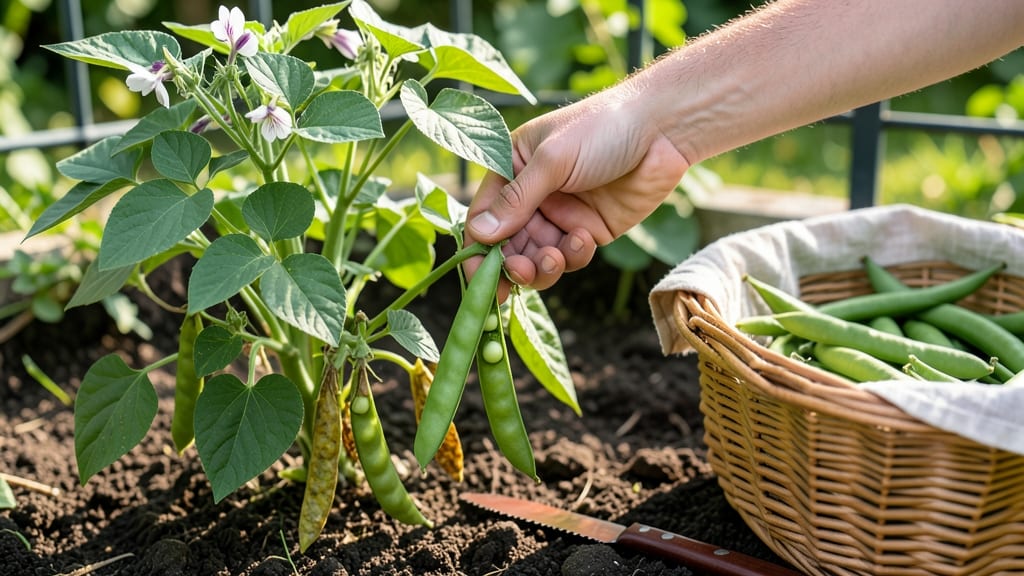
Harvest bush beans when pods reach 4-6 inches and snap crisply—this is the sweet spot for tender, seed-free flavor before they toughen or overfill.
Picking too early means tiny, underdeveloped pods, while waiting too long turns them stringy and bitter. I’ve learned the hard way that daily checks in June and July keep my harvests at peak freshness.
Look for pods that are firm to the touch, with seeds just visible but not enlarged—this is your cue to grab the shears. Varieties like ‘Blue Lake’ or ‘Kentucky Wonder’ follow these same rules, but some dwarf types mature faster.
Here’s how to time it perfectly: check plants every 2-3 days, harvest in the morning for the freshest taste, and avoid overcrowding to keep production steady all season.
How to identify perfectly timed bush bean harvests by size and color
Timing your bush bean harvest correctly transforms tender, flavorful pods into tough, stringy messes in seconds. The key lies in watching for three visual cues: pod length, color shifts, and seed development.
When you spot these signs, you’ll know your beans are at their peak—just before they start sacrificing texture for seed bulk.
Most bush bean varieties reach harvest readiness between 45 and 60 days after planting, but don’t rely solely on the calendar. Instead, focus on the pod’s physical characteristics—these tell you more than any date ever could.
For example, a pod that’s 4-6 inches long and snaps cleanly when bent is your golden ticket to perfect flavor.
Color changes are another critical clue. Fresh pods start bright green but develop subtle yellow or brown speckles as they mature.
If you see these marks, harvest immediately—this is nature’s way of saying, “Don’t wait!” Overripe pods turn dull green or even yellowish, signaling they’ve passed their prime and will taste bland or woody.
Here’s the secret weapon for flawless timing: the seed test. Gently squeeze a pod between your thumb and forefinger. If seeds are visible but tiny (like pinpricks), you’ve hit the sweet spot.
But if seeds feel plump or fill more than 25% of the pod’s space, you’ve missed your window—these beans will be tough and mealy.
Pro tip: Check your plants every 2-3 days during peak production (usually June-August in most climates). Bush beans produce new pods rapidly, so consistent monitoring ensures you never let them overmature. This frequent attention also encourages more flowers—and more beans—to form, giving you a continuous harvest.
| Stage | Pod Length | Color | Seed Size | Texture | Action |
|---|---|---|---|---|---|
| Too Early | Under 3 inches | Bright green | Not visible | Tender, crushes easily | Wait 2-3 days |
| Perfect Harvest | 4-6 inches | Vibrant green (may have slight speckles) | Visible but tiny (pinprick) | Firm, snaps cleanly | Harvest immediately |
| Overripe | 6+ inches | Dull green/yellowish | Plump, fills pod | Tough, woody | Avoid eating; remove pods |
| Variety Note | Check seed packet | Some stay bright green | — | — | Adjust timing by ±2 days |
Different bush bean varieties have slight variations in ideal size. For example, Blue Lake beans typically reach harvest at 5 inches, while Kentucky Wonder varieties can wait until 6 inches. Always check your seed packet for specific guidelines, but remember: color and texture trump measurements every time.
Morning is the best time to harvest because pods are crispest after a night’s rest. Use clean pruners or sharp scissors to snip stems just above the first set of leaves—this prevents disease and encourages new growth.
Avoid pulling pods by hand, as this can damage the plant and leave entry points for pests.
One common mistake is assuming all green beans are ready at the same time. Color consistency across pods is a red flag—it often means the plant is stressed (due to drought or over-fertilization) and producing uniformly mature beans.
In this case, harvest what’s ready and give the plant extra water to reset its production cycle.
For maximum yield, aim to harvest every 2-3 days during peak season. This frequent picking signals the plant to keep producing rather than focusing on seed development. Plus, you’ll enjoy a steady supply of fresh, tender beans straight from your garden to your table.
5 Common mistakes that make you harvest too early or too late
Harvesting bush beans at the wrong stage ruins their texture and flavor. I’ve seen tough, stringy pods from waiting too long and tiny, underdeveloped ones from picking too soon. The key is recognizing visual and tactile cues that signal perfect timing.
Many gardeners miss the ideal window because they focus only on pod size. But color shifts and seed visibility are equally important. For example, pods that turn slightly yellow or develop visible seeds mean you’ve waited too long—those beans will be bitter and fibrous.
Another mistake is harvesting inconsistently. Skipping checks for a week can turn your perfect crop into a stringy mess. I check my plants every 2-3 days during peak season to catch them at the right moment.
🚨 callout-warning 🚨
⚠️ Harvesting Warning Signs
Don’t harvest when:
- Pods are under 3 inches – Too small and underdeveloped
- Seeds are enlarged – Beans will be tough and bitter
- Pods feel soft – Overripe and past their prime
Instead, pick when:
- Pods are 4-6 inches – Ideal size for most varieties
- Seeds are visible but tiny – Ensures tender texture
- Pods snap crisply – Perfect freshness and flavor
Check plants daily in peak season to avoid missing the window!
Overlooking variety-specific cues is another trap. Some dwarf varieties like ‘Blue Lake’ mature faster than standard types. Always check your seed packet for days to maturity and adjust your harvesting schedule accordingly.
Harvesting in the wrong weather can also backfire. Hot afternoons make pods tougher, while morning harvests yield the freshest beans. I always grab my shears within 2 hours of sunrise for the best results.
Finally, ignoring plant signals like slowed growth or fewer new pods means your harvest timing is off. Bush beans produce continuously, but if they stop setting new flowers, it’s time to reassess your harvesting routine.