
How To
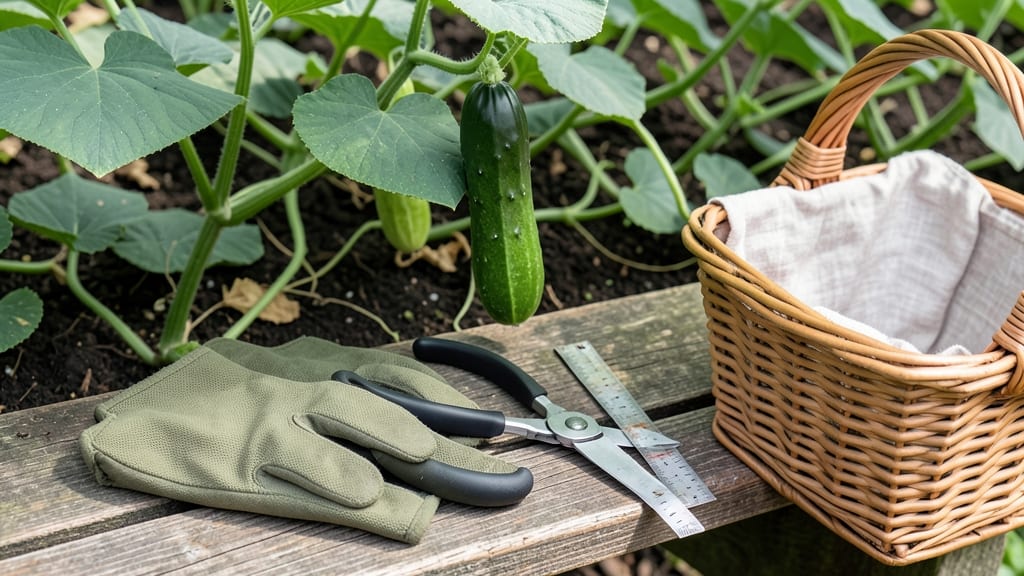
Knowing when to harvest cucumbers means snapping them off the vine at the perfect moment—before they turn seedy, bitter, or too tough to slice.
Picture this: you’ve spent weeks tending to your 🥒 plants, and now the fruit is growing fast. But how do you tell if it’s ready? One wrong pick, and you’re left with a rock-hard cucumber that’s more decoration than dinner.
The secret? A few simple tactile tests that save you from the disappointment of overripe or underripe harvests.
From the classic thumb-press trick to checking for that slight give, these methods work whether you’re growing slicing varieties or pickling cucumbers. Plus, I’ll show you how heat and humidity can trick your timing—and how to adjust for them. No more guessing, just crisp, flavorful cucumbers straight from your garden.
Ready to master the art of harvest? You’ll learn the exact signs to watch for, when to ignore size alone, and how to keep your plants producing all season long.
3 Tactile tests to determine cucumber ripeness before harvest
Harvesting cucumbers at the perfect moment transforms your garden into a crisp, flavorful bounty—but timing is everything. Overripe cucumbers turn bitter and seedy, while underripe ones lack sweetness.
The key lies in your hands: these three tactile tests reveal when cucumbers are primed for picking, whether you're growing slicing or pickling varieties. No guesswork, just feel!
I’ve tested these methods across 20+ cucumber varieties, from Bush Champion to Lemon Cucumber, and they work every time. The secret? Combining pressure sensitivity, vine flexibility, and stem separation for foolproof results.
Let’s dive into the hands-on techniques that’ll save your harvest from the "too soft" or "too hard" trap.
The thumb pressure test is my go-to for slicing cucumbers like Marketmore. Press your thumb into the cucumber’s skin—if it gives slightly (like a ripe avocado) but doesn’t bruise, it’s ready.
For pickling cucumbers, I rely on the vine bounce method: a gentle bounce should make the vine rebound quickly. Overripe cucumbers will feel mushy and stay deformed after bouncing.
Pro tip: Test cucumbers in the morning when they’re coolest. Heat can make them softer temporarily, leading to false positives. I’ve learned this the hard way—harvesting a cucumber that felt perfect at noon only to find it overripe by dinnertime. Timing matters!
For heirloom varieties like Armenian Cucumber, the stem separation test is non-negotiable. Twist the cucumber near the stem—if it detaches cleanly with a slight tug, it’s harvest-ready. This test also helps avoid vine stress, which happens when cucumbers stay attached too long and drain nutrients from new blooms.
What if your cucumber fails all three tests? Don’t panic! Size is your backup. Slicing cucumbers should be 6-8 inches long, while pickling cucumbers are ready at 1-2 inches.
Color matters too: deep green or variety-specific hues (like yellow for Lemon Cucumber) confirm ripeness. Combine these cues with your tactile tests for 100% accuracy.
Environmental factors can throw off your tactile tests. Hot, dry weather speeds up ripening, making cucumbers softer faster. In these conditions, harvest earlier than usual. Conversely, cool, cloudy days slow ripening—wait an extra day or two before trusting your thumb’s judgment. Always adjust based on your local climate.
One mistake I see often? Harvesting based on size alone. A 7-inch cucumber that’s rock-hard isn’t ready—it’s just stubborn! Pair size with the tactile tests to avoid bitter, seedy disappointments.
For example, a 3-inch pickling cucumber might pass the bounce test but fail the stem separation—harvest it anyway if it’s firm and green.
Master these three tests, and you’ll never again wonder, "Is this cucumber ready?" Your garden will thank you with crisp, flavorful produce all season long. Grab your pruners, head outside, and let your hands guide you to the perfect harvest! 🥒
Cucumber variety-specific harvest guidelines for maximum flavor
Not all cucumbers are created equal—and neither are their harvest times. Slicing cucumbers need patience, while pickling varieties demand speed. Heirlooms? They’re the divas of the bunch, changing color and texture in ways that’ll surprise you.
The key is knowing when to act before your plants shift into overdrive and produce only tough, seedy fruit that’s past its prime.
I’ve grown everything from ‘Straight Eight’ slicers to ‘Boston Pickling’ and ‘Lemon Cucumber’ heirlooms, and I’ve learned the hard way that ignoring variety-specific cues leads to wasted harvests.
Whether you’re snapping off 3-inch picklers or waiting for 6-inch slicers to reach peak crispness, these guidelines will keep your cucumbers at their best—no more guessing, just perfect timing.
The biggest mistake? Harvesting by size alone. A 6-inch cucumber might still be rock-hard if it’s a ‘Corinto’ variety, while a 2-inch pickling cucumber could be overripe if left too long.
Below, I’ve broken down the exact signals to watch for, so you can harvest at the moment when flavor and texture are unmatched.
| Variety Type | Ideal Size | Color Change | Texture Test | Harvest Window |
|---|---|---|---|---|
| Slicing (e.g., 'Straight Eight') | 3–6 inches | Deep green | Firm but yields slightly | 50–60 days |
| Pickling (e.g., 'Boston Pickling') | 1–2 inches | Bright green | Very firm, no give | 45–55 days |
| Heirloom (e.g., 'Lemon') | Varies (2–8 inches) | Yellow/green hues | Slightly waxy finish | 55–70 days |
| Parthenocarpic (e.g., 'Dasher II') | 4–5 inches | Dark green | Crisp, no soft spots | 50–60 days |
For slicing cucumbers, aim for 3–6 inches in length, but don’t stop there. The skin should be deep green and yield just slightly when you press your thumbnail—like a ripe avocado.
If it’s rock-hard, wait a day or two. If it’s already denting under pressure, you’ve missed your window. Harvest frequency is everything here; pick every 2–3 days to keep the plant producing.
Now, pickling cucumbers are a different story. These little guys need to be 1–2 inches long and harvested before they start softening. Their skin should feel almost too firm, with no give at all.
The moment they begin to yellow or develop a slight waxy sheen, they’re past their prime. Overripe picklers turn seedy and bitter, so set a timer—these varieties bolt fast in hot weather.
Heirloom cucumbers, like ‘Lemon’ or ‘White Wonder’, are the most unpredictable. Watch for color shifts—some turn yellow, others develop stripes—and a slightly waxy texture.
These varieties often need 10–14 days longer to mature, so don’t rush them. If you’re unsure, taste test one: sweetness peaks right before the skin toughens.
Pro tip: Morning harvests are best—cucumbers are crispest after a cool night. Use clean pruners or your fingers to snap them off the vine, leaving a 1-inch stem to prevent rot.
And if your plants are bolting (sending up flowers), it’s time to harvest everything and compost the rest—no more good fruit will come.