
How To
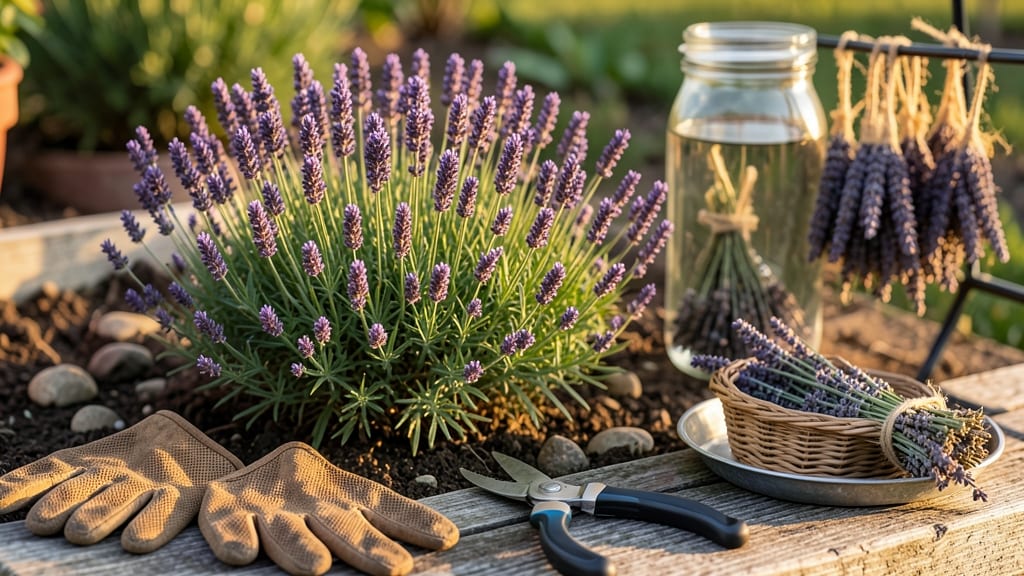
Harvesting Spanish lavender at the right time turns your garden into a fragrant factory 🌿—but timing is everything if you want those bundles to smell like summer all winter.
Spanish lavender’s delicate purple blooms aren’t just beautiful—they’re packed with fragrance and medicinal properties, but harvesting them at the wrong time can ruin their scent and potency.
Whether you’re drying stems for sachets or preserving them in oils, getting the cut right means the difference between a sweet, lingering aroma and something that smells like yesterday’s tea.
Most gardeners assume you should wait until the flowers are fully open, but that’s actually the worst moment to harvest. The key is catching those plump buds just as they’re about to bloom—when the stems are firm and the scent is strongest.
I’ll walk you through the exact signs to look for, plus the best tools and techniques to maximize your yield without harming the plant.
From morning cuts to drying methods that lock in fragrance, you’ll learn how to turn your Spanish lavender into long-lasting bundles that make your home smell like a Provence meadow. Let’s get started.
Best time to harvest Spanish lavender for maximum fragrance
Timing is everything when harvesting Spanish lavender (Lavandula stoechas)—cut too early, and you lose that signature fragrance; wait too long, and the scent fades. The key lies in catching those buds just before they open, when their essential oils are at peak potency.
This window typically falls in mid-to-late summer (July-August), but your local climate may shift this by a week or two.
Morning harvests are ideal because dew hasn’t settled on the blooms, and the essential oils are most concentrated after a cool night. If you must harvest in the afternoon, do so before 2 PM to avoid the heat sapping the scent.
Avoid harvesting after rain, as damp stems can lead to mold during drying.
Spanish lavender’s unique purple "rabbit ears" (the sterile bracts) are a dead giveaway for readiness. When these are fully formed but the true flowers remain tightly closed, it’s time to harvest. The stems should also feel firm and woody, not soft or bendy—this indicates maturity and oil richness.
- 1 Harvest in the morning (before 10 AM) when dew is gone and oils are concentrated. Avoid afternoon heat, which reduces fragrance.
- 2 Target buds just before opening: Look for plump purple-gray buds with closed flower centers. Open blooms mean peak fragrance has passed.
- 3 Check stem firmness: Press a stem—it should bend slightly but not snap. Soft stems indicate underripe lavender; woody stems mean it’s past prime.
- 4 Crush a leaf for scent test: Healthy lavender releases a strong, sweet aroma. Weak or musty smells mean it’s not ready or is stressed.
- 5 Avoid harvesting after rain: Wet stems dry unevenly and risk mold. Wait until foliage is completely dry.
Seasonal timing matters too. In USDA Zone 6a, your best harvest window is July through early August, aligning with the plant’s second flush of blooms.
If you’re in a warmer zone (like Zone 8), you might extend harvesting into September, but stop before the first frost—Spanish lavender is not frost-tolerant.
Pro tip: Harvest every 3-4 weeks during peak season to encourage bushier growth and more blooms. Never cut more than one-third of the plant at once, or you’ll weaken it. For container-grown lavender, harvest stems from the outer edges first to maintain shape and airflow.
One common mistake is harvesting fully open blooms, which have already released much of their essential oils. These flowers will dry with minimal fragrance and a duller color. Instead, focus on those buds that look like tiny purple pom-poms—they’re the goldmine for scent and oil potency.
For maximum oil content, harvest on a clear, sunny day after at least 3 days of dry weather. This ensures the plant’s essential oil production is at its peak.
If you’re drying lavender for culinary use, harvest slightly later—when 10-20% of the buds have opened
Finally, rotate your harvest sites if you have multiple plants. This prevents over-stressing any single plant and ensures a steady supply of fragrant stems throughout the season. With these timing tricks, your Spanish lavender bundles will stay aromatic for months—perfect for sachets, potpourri, or homemade lavender oil.
Step-by-step harvesting technique for long-lasting bundles
Once you’ve spotted the perfect Spanish lavender stems ready for harvest, the next step is cutting them properly to preserve their fragrance and essential oils.
I’ve found that using the right tools and technique makes all the difference between bundles that smell amazing for months and ones that fade quickly.
The key to harvesting Spanish lavender lies in a 45-degree angle cut just above a leaf node. This encourages new growth while preventing disease. Use sharp, clean pruning shears or garden scissors—never tear stems by hand, as this damages the plant and reduces fragrance in your bundles.
How to Harvest Spanish Lavender for Long-Lasting Bundles
- Step 1: Choose stems with plump buds that are just starting to open. Avoid fully bloomed flowers—they’ve lost most of their essential oils.
- Step 2: Cut stems at a 45-degree angle using clean pruners. Aim for 12-18 inches long—longer stems dry more slowly but create better bundles.
- Step 3: Remove any lower leaves that might touch the ground during drying. This prevents mold and preserves fragrance.
- Step 4: Bundle 5-7 stems together with twine or rubber bands, leaving 2-3 inches of stem exposed at the top for hanging.
- Step 5: Hang bundles in a dark, dry, well-ventilated space like a garage or shed. Avoid direct sunlight, which can bleach the color and reduce fragrance.
- Step 6: Let bundles dry for 2-3 weeks, checking occasionally to ensure no moisture remains. Fully dried lavender should crush easily between your fingers.
🌿 Pro Tip: Harvest in the early morning when essential oils are at their peak.
After drying, store your lavender bundles in airtight containers away from light. I like to add a few dried rose petals to my bundles—they complement the lavender’s scent beautifully. If you’re making sachets, place a small bundle under your pillow or in your closet for a spa-like aroma.
One common mistake I see is over-harvesting too much at once. Never take more than 1/3 of the plant’s growth in a single session, or you’ll weaken it for next year’s harvest.
Also, avoid cutting stems that are woody or leggy—these won’t dry well and can ruin your entire batch.
With these techniques, your Spanish lavender bundles will retain their fragrance for up to a year, making them perfect for gifts, potpourri, or even homemade lavender oil. The secret? Patience in drying and precision in cutting—every gardener’s dream for long-lasting harvests! 🌸