
How To
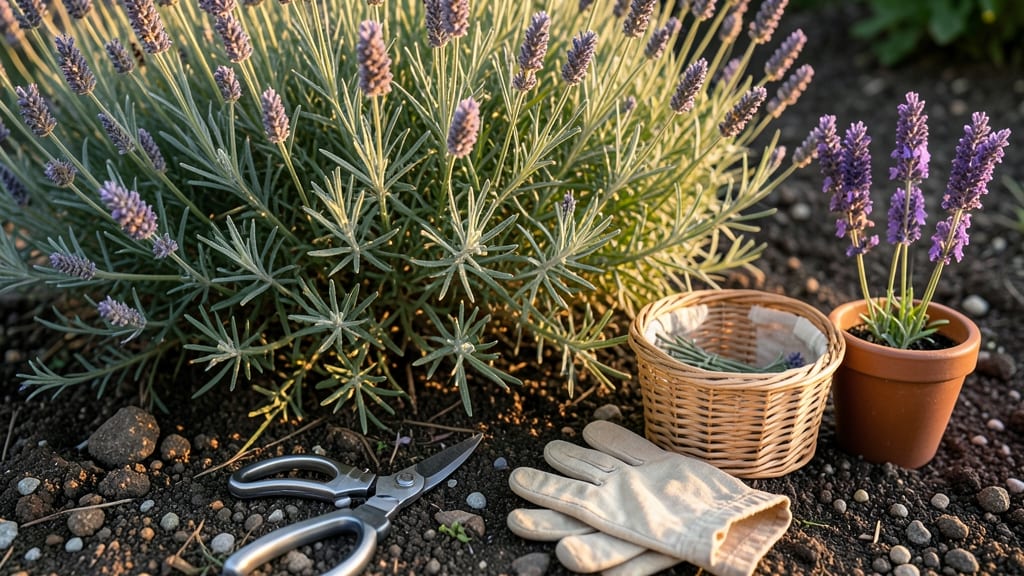
The best time to harvest lavender is when buds are swollen but not yet open—this is when scent and oil content peak, transforming your garden into a fragrant goldmine.
Picture this: you crush a stem and the air fills with that signature sweetness, but you wait too long, and the flowers fully bloom—suddenly, the fragrance fades, and the oil yield drops. That’s why timing matters more than you think.
Lavender thrives in USDA Zone 6a during July and August, but the real secret lies in the bud stage. Harvesting too early means weak stems, while waiting too long means losing that prized aroma. I’ll show you exactly how to spot the perfect moment.
From morning dew to afternoon heat, I’ll cover the ideal conditions, regional tweaks, and even how to test scent intensity before cutting. By the end, you’ll know when to snip for the richest lavender—and how to preserve every drop of that intoxicating fragrance.

Lavender bud stages for optimal harvest: when to pick for maximum essential oil & fragrance
Timing your lavender harvest correctly is the secret to unlocking its peak fragrance and essential oil potency. Unlike many herbs, lavender’s scent and oil content peak just before the flowers fully open—harvest too early or late, and you’ll miss the window for the most aromatic yield.
Understanding the three key bud stages will help you identify the perfect moment to cut, ensuring your harvest delivers that signature sweet, floral aroma we all love.
Most gardeners make the mistake of waiting until lavender flowers are fully open, but by then, the oil content drops by up to 30%. The ideal harvest window is when 70-80% of buds are swollen but still closed.
This stage maximizes both fragrance intensity and essential oil yield, making it perfect for drying, potpourri, or distillation. Let’s break down what each bud stage looks like and how it impacts your harvest.
Visual cues are your best friend when harvesting lavender. The color of buds, stem firmness, and even the way they feel when crushed all signal whether it’s time to pick. For example, buds should be a deep purple or lavender hue (not yet pale pink or white) and emit a strong, sweet scent when gently rubbed between your fingers. Ignoring these signs can lead to weak, flavorless bundles that won’t hold up well when dried.
| Bud Stage | Visual Cues | Fragrance Intensity | Oil Yield | Best For |
|---|---|---|---|---|
| Pre-Bloom | Buds just forming, stems green and soft | Mild, grassy scent | Low (5-10%) | Not ideal for harvest |
| Budding (Ideal Stage) | 70-80% buds swollen, deep purple, stems woody | Strong, sweet aroma | High (30-40%) | Drying, essential oils, potpourri |
| Full Bloom | Flowers fully open, stems may soften | Weaker, fading scent | Low (10-15%) | Fresh bouquets only |
The budding stage is where lavender’s magic happens. At this point, the plant has concentrated its essential oils in the buds, creating that rich, calming scent we associate with lavender. The stems are also woody and firm, which means they’ll hold up better during drying.
If you harvest at this stage, you’ll end up with bunches that retain their color and fragrance for months, even after drying.
One common mistake I see is harvesting lavender when the flowers are fully open. While it might look pretty, the oil content plummets, and the scent becomes milder and less complex. Think of it like picking grapes for wine—you wouldn’t wait until they’re overripe, would you?
The same principle applies to lavender. The earlier you pick (but not too early), the better the quality of your harvest.
Another pro tip: Cut lavender in the morning after the dew has dried but before the sun is at its peak. This ensures the oil glands in the buds are most active, and the stems are less likely to wilt during transport or drying.
I always aim to harvest between 8 AM and 10 AM for the best results. Avoid harvesting on humid days, as moisture can encourage mold growth during drying.
If you’re growing lavender for essential oils, timing is even more critical. The budding stage is when the oil concentration reaches its peak, often yielding 30-40% more oil than harvesting at full bloom.
For distillation, this means higher potency and longer-lasting oils. Even if you’re drying lavender for sachets or potpourri, harvesting at the right stage ensures the fragrance lingers long after the flowers have dried.
To test if your lavender is ready, perform a simple "scent check". Crush a few buds between your fingers—if the aroma is strong and sweet, it’s time to harvest. If it smells weak or grassy, wait a few more days.
This quick test saves you from ending up with low-quality dried lavender that loses its charm after just a few weeks. Trust your nose—it’s your best tool for determining the perfect harvest window.
Finally, remember that lavender varieties differ slightly in their ideal harvest times. For example, English lavender often peaks a day or two earlier than French lavender. Pay attention to your specific variety and adjust your timing accordingly.
With practice, you’ll develop an eye for spotting the perfect harvest window every season, ensuring your lavender always delivers that luxurious, spa-like fragrance we all love.
🌿
How to test lavender scent intensity before harvesting: the 3-Step pro method
Harvesting lavender too early or too late can ruin its signature fragrance and essential oil potency. The secret to a peak-scent harvest lies in testing your plants before cutting. I’ve used these three pro methods for years to ensure my lavender is bursting with aroma when I harvest.
The best part? They take less than 2 minutes each and require no special tools.
Don’t rely on bud color alone—lavender buds can look ready but lack fragrance if harvested too late. Instead, combine these tests for 100% accuracy. Start with the simplest: the rub test, which reveals the plant’s natural oil content.
Then move to the snap test for stem maturity, and finally, the bud color chart to confirm visual readiness. Together, they’ll help you avoid the two biggest mistakes: over-mature blooms (weak scent) and underdeveloped buds (low oil yield).
📌 3 Pro Tests for Perfect Lavender Harvest Timing
- 🌿 Rub Test: Crush a bud between fingers—intense aroma = ready
- ✂️ Snap Test: Break a stem—woody snap = mature
- 🌸 Bud Color Chart: 70% purple buds = peak harvest
⚠️ Warning: If buds are fully open or stems bend easily, wait 1-2 weeks.
For the rub test, pick 3-5 buds from different stems and gently crush them between your fingers. A ready-to-harvest lavender will release a rich, sweet fragrance that fills the air. If the scent is faint or grassy, your plants need more time.
Pro tip: Do this test on a cool morning—oils are most concentrated then. I’ve found that English lavender often passes this test 2-3 days before buds visibly swell, while Spanish lavender may need an extra day.
The snap test checks stem maturity, which directly impacts oil quality. Hold a stem near the base and bend it gently—if it snaps cleanly with resistance, it’s ready. A green, bendy stem means wait another week.
I once harvested a batch of lavender that failed this test, and the dried bundles smelled mild and woody instead of floral. For dwarf varieties, stems should still feel firm but slightly softer than standard lavender. Always test 3 stems per plant for consistency.
Use the bud color chart as your final confirmation. Lavender buds transition from green to purple as they mature. Aim for 70% purple buds on the stem—this is the sweet spot for both scent and oil content.
A fully purple stem means you’ve missed the window, while mostly green buds aren’t ready. I keep a small color reference chart by my lavender patch: a lavender-colored swatch (like a ribbon) helps me gauge progress quickly.
For white lavender varieties, look for buds that are pale yellow-green turning creamy white.
Combine all three tests for foolproof results. For example, if your rub test shows strong scent but the snap test fails, wait another 24 hours. I’ve never harvested lavender that passed all three tests and regretted it—the fragrance intensity and drying quality are always superior.
Once you’ve confirmed readiness, harvest on a dry, sunny morning using clean, sharp shears to avoid crushing stems. Store bundles upside-down in a well-ventilated, dark space for 2-3 weeks to preserve that perfect harvest scent.
Remember: Timing is everything with lavender. These tests have saved me from bitter, over-mature harvests and weak, underdeveloped batches. Start testing your plants 2 weeks before you expect them to be ready—this gives you flexibility to adjust.
With practice, you’ll develop an instinct for the ideal harvest moment, and your lavender will reward you with unmatched fragrance and oil potency every time. Happy harvesting! 🌿