
How To
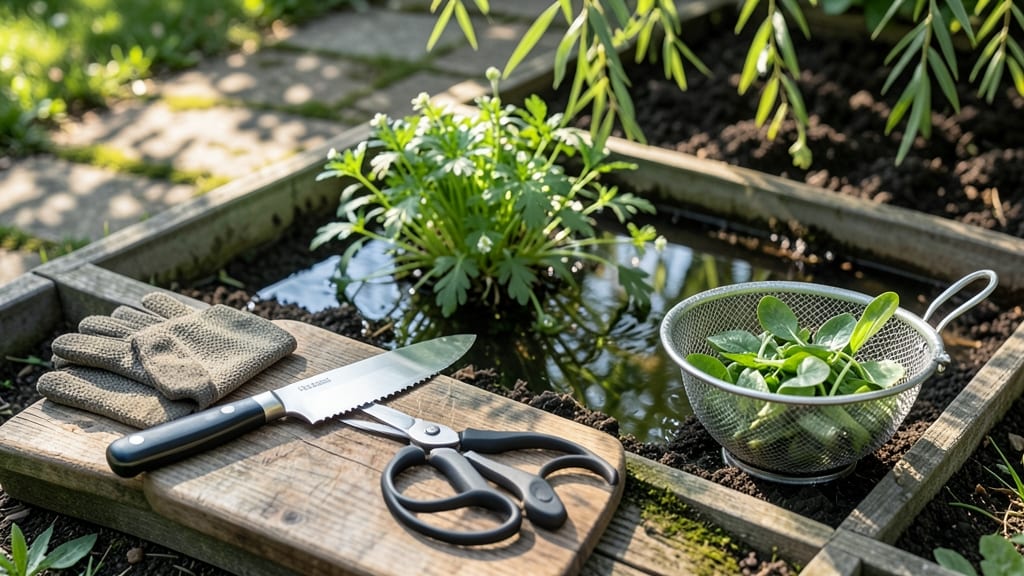
To harvest watercress at its peak flavor and keep your plants thriving, time your cuts carefully—this fast-growing 🌿 herb rewards patience with tender leaves and rapid regrowth.
Watercress isn’t just a nutrient-packed superfood—it’s also one of the most resilient and fast-growing greens you can cultivate, but harvesting it at the wrong time can stunt regrowth and reduce your yield.
Whether you're a beginner or a seasoned gardener, knowing the best techniques ensures you get the most from every harvest without sacrificing future growth.
You’ll learn the exact timing to pick watercress—morning vs. afternoon matters—and how to recognize when your plants are ready (or not). We’ll also cover the tools you need, how to avoid overharvesting, and simple post-harvest care tricks to keep your patch lush for months.
By the end, you’ll harvest like a pro, troubleshoot common mistakes, and enjoy a steady supply of this peppery green all season long—no guesswork required.
Best time to harvest watercress for continuous regrowth
Harvesting watercress at the right moment ensures tender leaves and encourages regrowth—but timing is everything. The best harvest window depends on leaf maturity, time of day, and even seasonal conditions.
Get it wrong, and you’ll either end up with bitter, tough greens or a struggling plant that never recovers. Let’s break down the optimal timing and what to watch for to keep your watercress thriving.
Morning harvests are ideal because the leaves are hydrated and cool, making them crisp and flavorful. Avoid harvesting in the afternoon heat, as the leaves can become wilted or stressed, which slows regrowth.
If you must harvest later in the day, do so before 4 PM to give your plants time to recover overnight. Pro tip: Harvest every 2–3 weeks to balance yield and plant health.
Now, let’s dive into the key indicators that your watercress is ready for harvest—and how to avoid common pitfalls.
How to Harvest Watercress: Step-by-Step Timing
- 1 Check leaf size: Harvest when leaves reach 2–4 inches long. Smaller leaves (<1 inch) are underdeveloped, while larger ones turn woody and bitter.
- 2 Inspect stem tenderness: Gently pinch a stem—it should snap easily like fresh celery. If it feels fibrous or tough, wait a few more days.
- 3 Avoid flower buds: If you spot yellow blooms, harvest immediately—flowering signals the plant is shifting energy to reproduction, reducing leaf production.
- 4 Harvest in the morning: Leaves are crispest and most flavorful after overnight hydration. Never harvest when leaves are wilting from heat stress.
- 5 Use clean tools: Snip with sharp scissors or pruning shears to avoid crushing stems. Leave 1–2 inches of growth above the soil to encourage regrowth.
- 6 Adjust frequency by season: In spring and fall, harvest every 2 weeks. In summer’s heat, stretch to every 3–4 weeks to prevent stress.
Seasonal timing plays a huge role in watercress regrowth. In cooler climates (USDA Zones 3–6), aim to harvest from late spring through early fall (May–October). If you’re in a mild winter zone (Zones 7–10), you can harvest year-round, but growth slows in winter months.
The key is to avoid harvesting when temperatures drop below 40°F, as the plant becomes dormant and vulnerable to damage.
Overharvesting is a silent killer of watercress patches. Signs you’re harvesting too much include stunted growth, yellowing leaves, or bare soil patches. If you notice these, cut back on frequency and fertilize lightly with a balanced 5-5-5 mix to encourage recovery.
Watercress is resilient, but even it can’t bounce back from aggressive harvesting.
For continuous regrowth, pair your harvests with post-care rituals. After harvesting, rinse the leaves in cool water to remove dirt, then return them to shallow water (1–2 inches) or moist soil immediately.
This hydration reset signals the plant to prioritize leaf production over recovery. In hot climates, provide afternoon shade to prevent leaf scorch, which can halt regrowth.
Pro growers swear by rotational harvesting: instead of taking all leaves from one patch, space out harvests across your watercress bed. This balances stress and ensures a steady supply without overburdening any single area.
For example, if you have a 10-square-foot patch, harvest half one week and the other half the next.
One common mistake is waiting until watercress bolts (sends up flower stalks). By then, the leaves are bitter and tough, and the plant’s energy is focused on seeds, not regrowth.
If you accidentally let this happen, prune the flowers immediately and reduce harvest frequency for 4–6 weeks to let the plant recover its vigor.
Climate matters too. In humid regions, watercress grows faster and may need more frequent harvesting (every 2 weeks). In dry areas, stretch harvests to every 3–4 weeks and mulch heavily to retain moisture. Always check soil moisture before harvesting—dry soil stresses the plant and slows regrowth.
Final tip: Keep a harvest journal. Note the date, leaf size, and
Harvesting watercress correctly is the secret to a continuous supply of tender leaves without sacrificing your plant’s health. Unlike many herbs, watercress thrives on regular harvesting, but the wrong technique can leave your patch stunted or even dead. The key lies in selective cutting and proper timing—both of which encourage faster regrowth while keeping pests and diseases at bay. Start by choosing the right tools: a sharp pair of scissors or pruning shears is ideal for clean cuts, while your fingers work for gentle pinching. Avoid using dull tools, as they can crush stems and invite rot. Once you’ve prepped, focus on harvesting only the outer leaves first—this protects the plant’s center, where new growth emerges. Never take more than one-third of the plant at a time, or you’ll shock the roots. After harvesting, your watercress will need a little TLC to bounce back quickly. Always water the patch thoroughly within 24 hours to help roots recover, especially if the weather is hot. A balanced fertilizer (like 5-5-5 NPK) applied lightly can also give your plants a nutrient boost, but avoid overdoing it—watercress prefers lean soil and can suffer from too much salt. Watch for signs of overharvesting, such as yellowing leaves or stunted growth. If you notice these, cut back on frequency and focus on replenishing nutrients instead. With the right care, your watercress patch can produce harvests every 2–3 weeks all season long, giving you a steady supply of this peppery green. Pro tip: If your watercress starts to bolt (send up flower stalks), harvest it immediately—these flowers signal the end of the plant’s productive life. By following these steps, you’ll enjoy tender, flavorful leaves for months without sacrificing your patch’s health. Happy harvesting! 🌿✂️💧Step-by-step harvesting techniques to preserve your watercress patch
How to Harvest Watercress Like a Pro