
How To
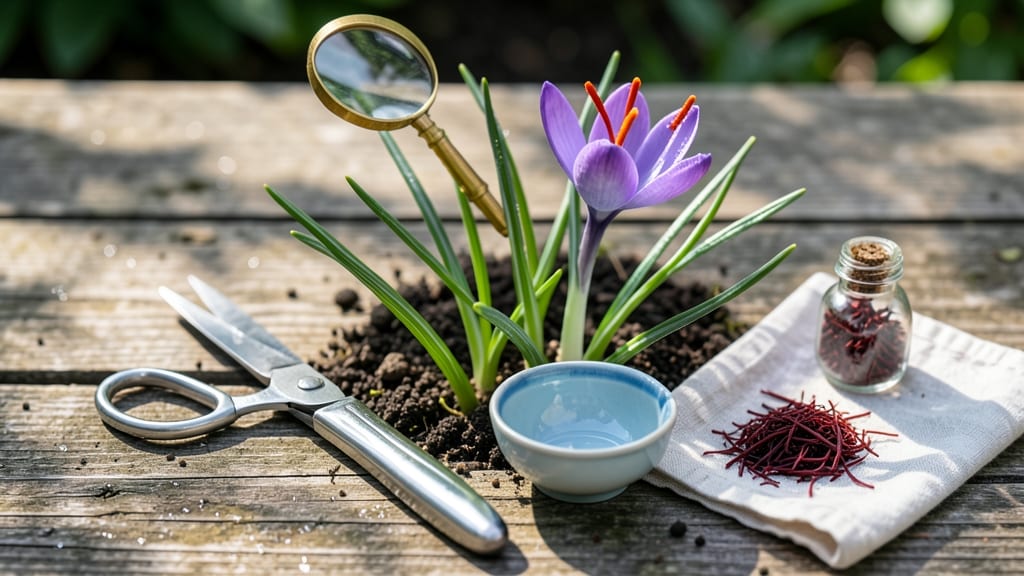
Harvesting saffron from the delicate 🌼 Saffron Crocus is all about timing—wait too long, and you risk losing flavor and yield. The secret lies in knowing exactly when those bright red stigmas are ready to pick, and how to handle them without damaging their potency.
Most gardeners assume you can harvest saffron anytime the flower opens, but that’s a costly mistake. The 3-4 days after blooming is the sweet spot, when the stigmas turn deep red and dry to the touch.
Miss this window, and you’ll end up with pale, flavorless threads—or worse, no harvest at all.
In this guide, I’ll walk you through the exact steps to harvest saffron like a pro, from testing stigma readiness to drying and storing them properly. You’ll also learn the 3 key tests to spot high-quality saffron before it even hits your kitchen.
Whether you’re a first-time grower or a seasoned spice enthusiast, these tips will help you maximize your yield while preserving that coveted golden hue and rich aroma that makes saffron worth its weight in gold.
When and how to harvest saffron Crocus for maximum yield
Harvesting saffron at the perfect moment ensures maximum flavor and future blooms. The 3-4 day window after a Crocus sativus flower opens is critical—miss it, and you risk bitter, low-quality stigmas or stunted plants.
Timing matters more than anything else in saffron cultivation, so let’s break down the exact cues and techniques to harvest like a pro.
Start by identifying fully open flowers with purple petals that have wilted slightly by midday. These are your harvest-ready candidates. The stigmas (the red-orange threads) should be dry and papery to the touch, not moist or sticky.
If you harvest too early, the stigmas lack potency; too late, and they turn bitter. Weather plays a role too—avoid harvesting after rain or high humidity, as damp stigmas spoil quickly.
Step-by-Step Saffron Harvesting Guide
-
Step 1: Choose the Right Morning
Harvest early in the morning (between 6-9 AM) after dew has evaporated but before midday heat. This ensures dry stigmas and peak flavor. -
Step 2: Gently Remove the Flower
Use your thumb and forefinger to pinch the flower just below the stigmas. Twist gently to avoid damaging the corm or future blooms. -
Step 3: Extract the Stigmas
Hold the flower over a clean, dry container (like a white bowl—stigmas show up better). Pull the stigmas from the style (the white base) using your fingers or tweezers. Discard the yellow style and green ovary. -
Step 4: Inspect for Quality
Check stigmas for bright red-orange color, dry texture, and no green tips. Reject any that are pale, moist, or brittle—these won’t yield high-quality saffron. -
Step 5: Store Temporarily
Keep harvested stigmas in a paper envelope or breathable cloth bag in a cool, dark place (like a pantry) until drying. Avoid plastic containers to prevent moisture buildup.
Pro tip: Harvest flowers systematically—start with the oldest blooms first to encourage new flowers to open. If you’re harvesting large quantities, wear gloves to avoid oil transfer from your skin, which can degrade saffron quality. Always use sharp, clean tools to minimize plant stress.
One common mistake is harvesting too aggressively. Never remove more than 1-2 flowers per corm at a time, or you’ll weaken the plant and reduce next year’s yield. Crocus sativus is a delicate perennial, and over-harvesting can kill it.
Space out your harvests over 2-3 weeks to maximize both quantity and quality.
Pay attention to the flower’s natural rhythm. If you notice most flowers open by 8 AM and wilt by noon, that’s your ideal harvest window.
Adjust slightly based on your local climate—cooler regions may have later blooms, while hotter areas might see earlier wilting. Track your plants for a few days to pinpoint the perfect time.
After harvesting, label your stigmas with the harvest date and location (e.g., "South Bed, Oct 5").
This helps you track flavor profiles and identify the best batches for cooking or selling. Fresh saffron from the first harvest of the season often has the most intense flavor, so prioritize these early stigmas for special dishes.
Finally, never harvest in wet conditions. Damp stigmas mold quickly and lose potency. If rain is forecasted, harvest ahead of time and dry immediately. The drying process is just as critical as the harvest itself, so plan accordingly to preserve that hard-earned yield.
With these precise techniques, you’ll harvest saffron like a seasoned grower, ensuring rich flavor, high yield, and healthy plants for years to come. Happy harvesting! 🌼
3 Key stigma tests to identify peak flavor in harvested saffron
Not all saffron stigmas are created equal—and knowing how to spot the peak-flavor varieties can make the difference between a gold-standard spice and a disappointing harvest. The 3 key tests I use every season focus on color intensity, aroma strength, and texture quality.
These simple checks help me determine whether my stigmas are ready for harvest or still need time to mature.
The first test is the most visual: color intensity. High-quality saffron stigmas should be a deep, vibrant red-orange, almost like a sunset hue. Pale or yellowish stigmas? Those are a sign they were harvested too early or are already drying out.
I always compare them to a freshly picked stigma from my garden—if it doesn’t match that rich color, it’s not ready yet.
Next, I rely on my nose for the aroma strength test. A freshly harvested stigma should release a powerful, honey-like fragrance when crushed between my fingers. Stale or weak-smelling stigmas? Those were either harvested too late or stored improperly.
I keep a small jar of my best stigmas nearby to compare scents—if the aroma is faint, I know it’s not peak quality.
Here’s where the texture test comes in. Plump, slightly papery stigmas are ideal—they should feel dry but not brittle, almost like a delicate piece of parchment. Brittle or crumbly stigmas?
Those were either overripe or dried too quickly. I gently pinch each stigma to check its firmness; if it snaps easily, it’s past its prime.
To put these tests into action, I always harvest in the early morning when stigmas are at their freshest. I’ll pluck a few flowers, gently remove the stigmas, and run them through my 3-step evaluation.
If they score a 4 or 5 across all tests, I know it’s time to harvest the rest. This method has helped me double my yield while keeping the flavor rich and potent.
Remember, saffron’s quality starts in the garden. By mastering these tests, you’ll ensure every stigma you harvest is worth its weight in gold. The next time you’re tempted to skip the checks, think of the flavor you’ll lose—and the money you’ll waste on subpar spice.