
How To
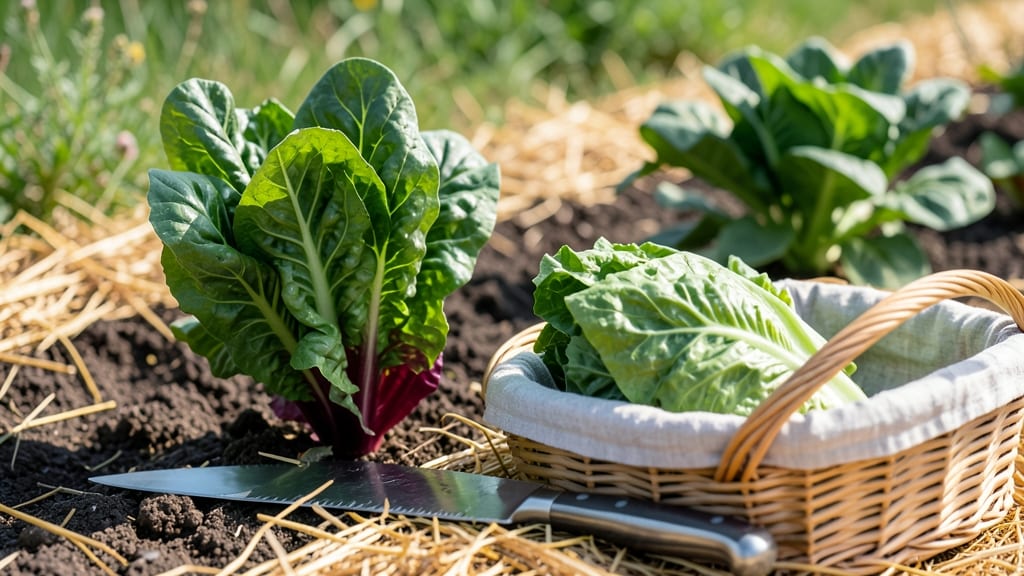
To harvest romaine lettuce from your garden at its crispest, aim for leaves that reach 6 inches—that’s when the flavor and texture peak for salads and sandwiches.
Romaine lettuce thrives when harvested at the right time—6-inch leaves deliver the crisp, flavorful cuts chefs crave, but timing and technique make all the difference between a garden bounty and wilted disappointment.
You’ll want to harvest in the morning, when leaves are fully hydrated and firm, avoiding the midday heat that can make them limp. A sharp knife or clean scissors ensures you cut cleanly without damaging the plant, so it keeps growing for your next harvest.
Below, I’ll walk you through the exact steps—when to pick, how to cut, and how to store your harvest—so you get the most out of your 🥬 romaine all season long.
When and how to harvest romaine lettuce for peak freshness
Timing your romaine lettuce harvest is everything—wait too long, and you risk bitter leaves or bolting (flowering), while harvesting too early means small, underdeveloped greens. The sweet spot is when outer leaves reach 6 inches long, signaling peak crispness and tenderness.
This window typically arrives 45-60 days after planting, depending on your climate and variety.
I’ve learned the hard way that over-harvesting can kill your romaine plant—removing more than one-third of the plant at once stresses it beyond recovery. Instead, focus on selective harvesting by plucking outer leaves first.
This method preserves the plant’s energy, allowing it to regrow for continuous harvests over weeks. For best results, harvest in the morning when leaves are cool and hydrated.
To identify the perfect harvest moment, check for these three key signs: leaves should be deep green and crisp, not floppy or yellowing; they’ll also feel firm to the touch with no signs of wilting.
Avoid harvesting if leaves are smaller than 5 inches or show yellowing edges, as these indicate stress or nutrient deficiencies.
Here’s a quick reference for your garden:
| Harvest Stage | Leaf Size | Best Time of Day | Tools Needed |
|---|---|---|---|
| Initial Harvest | 6 inches long | Morning (6-8 AM) | Sharp scissors or knife |
| Subsequent Harvests | 5-6 inches (outer leaves) | Early morning or late evening | Clean hands or pruning shears |
| Avoid Harvesting | Leaves <5 inches | N/A | N/A |
| Final Harvest | Full head (12+ inches) | Morning (before heat) | Sharp knife (cut at base) |
For a clean harvest, use a sharp pair of scissors or a sterilized knife to cut leaves just above the soil line or where they meet the stem.
This minimizes damage and encourages new growth from the center. I always disinfect my tools with rubbing alcohol before use to prevent spreading bacterial diseases like leaf spot.
Never pull leaves forcefully—their delicate stems can tear, leaving the plant vulnerable to pests and rot. Instead, make a clean, angled cut at a 45-degree angle to redirect water away from the stem.
This simple technique reduces the risk of fungal infections and keeps your romaine looking fresh for days.
After harvesting, rinse your romaine under cool, running water to remove dirt and debris, then pat dry with a clean towel or paper towels. Store leaves in a plastic bag lined with a paper towel to absorb excess moisture, and refrigerate for up to 5-7 days.
For longer storage, wrap the leaves in damp paper towels and place them in a sealed container.
If your romaine starts to bolt (send up a tall flower stalk), it’s a sign of stress—often caused by heat or drought. To prevent this, provide consistent moisture and partial shade during hot afternoons.
For established plants, you can still harvest the lower leaves before the plant fully bolts, though the flavor may become bitter as the plant shifts energy to seed production.
Pro tip: If your romaine plant looks wilted after harvest, don’t panic! Simply trim any yellow or damaged leaves, water deeply, and place a shade cloth over it for a few days.
With proper care, your plant can often bounce back and produce another round of leaves in just a few weeks.
Remember, patience is key—rushing the harvest process can compromise both quality and yield. By following these steps, you’ll enjoy crisp, flavorful romaine straight from your garden for weeks to come. Happy harvesting! 🥬
Step-by-step harvesting techniques for crisp romaine leaves
Harvesting romaine lettuce at the right moment ensures tender, crisp leaves perfect for salads and sandwiches. The key is patience—wait until the outer leaves reach 6 inches before cutting, as this is when flavor and texture peak.
If you harvest too early, the leaves will be small and bitter, while waiting too long risks the plant bolting (going to seed) or becoming tough.
Timing matters just as much as technique. Always harvest in the early morning when temperatures are cool and leaves are fully hydrated. This prevents wilting and ensures your romaine stays crisp for days.
Avoid harvesting after rain or in the heat of the day, as excess moisture or dehydration can compromise both flavor and texture.
- Step 1: Choose the right tools—a sharp knife or clean scissors to make precise cuts without crushing leaves.
- Step 2: Locate the outer leaves (6+ inches) and hold them gently with one hand to stabilize the plant.
- Step 3: Make a clean cut 1 inch above the base at a 45-degree angle to avoid damaging the growing point.
- Step 4: Repeat for additional outer leaves, leaving the inner leaves to mature for future harvests.
- Step 5: Rinse leaves immediately in cool water to remove dirt and debris, then pat dry with a clean towel.
- Step 6: Store in an airtight container lined with a paper towel to absorb excess moisture and extend freshness.
Never pluck leaves by hand, as this can tear the plant and introduce disease. Instead, always use a clean cutting tool to minimize damage. If you notice yellowing leaves after harvesting, it’s often a sign of overwatering or nutrient deficiency.
Reduce watering slightly and add a balanced fertilizer (10-10-10) to revive the plant.
To avoid bitterness, harvest romaine before the bolting stage—when the plant sends up a tall flower stalk. Bolting is triggered by heat or drought stress, so keep your soil consistently moist and mulch to retain moisture.
If your romaine starts bolting prematurely, shade it with a light cloth during peak afternoon sun to slow the process.
Reviving wilted romaine is easy if you act quickly. Place the leaves in a bowl of ice water for 10–15 minutes to rehydrate, then pat dry and store in the fridge.
For long-term storage, wrap the lettuce in a damp paper towel and place it in a plastic bag with a few holes for airflow. This method keeps romaine crisp for up to 10 days.
Pro tip: Harvest romaine regularly (every 2–3 weeks) to encourage continuous growth. By leaving the inner leaves intact, you’ll enjoy a steady supply of fresh, crisp romaine all season long. Just remember—less is more—never cut more than 1/3 of the plant at once to avoid stressing the roots.