
How To
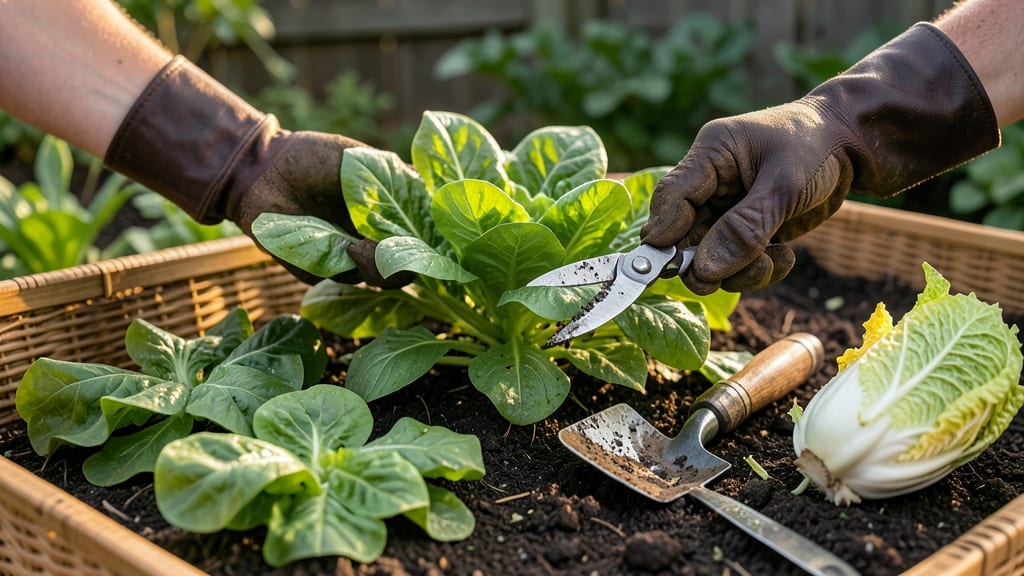
Harvesting lettuce from your garden is all about timing and technique to keep your 🥬 plants producing for weeks.
Nothing beats the freshness of homegrown lettuce—unless it's the satisfaction of harvesting it perfectly while ensuring your garden keeps producing. Master the cut-and-come-again method to enjoy a steady supply of crisp, flavorful greens all season long.
You don’t need fancy tools or years of experience—just a sharp pair of scissors, the right moment, and a little know-how. I’ll walk you through when to pick, how to cut without damaging the plant, and how to keep your lettuce thriving for continuous harvests.
From identifying the perfect leaves to storing your bounty, you’ll learn everything needed to turn your garden into a never-ending salad bar.
Step-by-step guide to harvesting lettuce using the cut-and-come-again method
Harvesting lettuce doesn't have to mean uprooting your entire plant. The cut-and-come-again method lets you enjoy fresh greens while keeping your lettuce producing for weeks. This technique works best with leaf lettuce varieties like romaine or butterhead, though some loose-leaf types also respond well.
Timing is everything when harvesting lettuce. Wait until the outer leaves reach 4-6 inches in length and feel firm and crisp. Avoid harvesting when leaves are still tender or pale—they won’t regrow well.
Early morning is the best time to harvest, as leaves are hydrated and crispest after nighttime dew has evaporated.
Before you begin, gather your tools: a sharp pair of scissors or pruning shears, a clean cutting board, and a spray bottle with water. Avoid using dull knives, as they can crush leaves and invite disease. Work gently to preserve the plant’s health and encourage regrowth.
How to Harvest Lettuce from Garden
- Step 1: Choose the Right Leaves – Select the outer 1/3 of leaves for harvesting. These are mature enough to eat but young enough to leave the inner leaves to continue growing.
- Step 2: Hold the Plant Firmly – Grip the base of the lettuce with one hand to stabilize it. This prevents the plant from tipping over during cutting.
- Step 3: Make a Clean Cut – Use your sharp scissors to cut the outer leaves just above a leaf node (the point where leaves attach to the stem). This encourages new growth from that node.
- Step 4: Leave 2-3 Inches of Stem – Never cut into the inner heart of the lettuce. Leave at least 2-3 inches of stem to protect the growing point.
- Step 5: Harvest Regularly – Repeat every 7-10 days as new leaves mature. This method can extend your harvest by 4-6 weeks per planting.
- Step 6: Rinse and Store – Immediately rinse harvested leaves in cool water to remove dirt, then pat dry with a clean towel. Store in a ventilated container in the fridge for up to 5-7 days.
Weather plays a crucial role in successful regrowth. After harvesting, avoid cutting lettuce if hot temperatures (above 80°F) are forecasted for the next few days. Lettuce bolts—sends up a flower stalk—when stressed by heat, ruining its tender leaves.
Instead, harvest on cool, cloudy days or in the early morning when temperatures are mild.
Avoid the mistake of harvesting too aggressively. If you remove more than 1/3 of the plant at once, the remaining leaves won’t have enough energy to regrow. Also, never cut into the center of the lettuce head, as this exposes the core to rot and pests.
Patience is key—lettuce regrows best when treated gently.
To maximize your yield, fertilize your lettuce with a high-nitrogen fertilizer (like a 5-10-10 blend) after each harvest. Apply it to moist soil in the early morning, keeping it 1 inch away from the stem to avoid burning the plant. Water deeply afterward to help nutrients absorb.
If your lettuce starts to bolt (send up a flower stalk), it’s a sign of stress from heat, drought, or age. While you can still harvest the outer leaves, bolting means the plant won’t regrow well.
To prevent this, provide consistent shade during hot afternoons using a shade cloth or grow lettuce in partial shade locations.
With the cut-and-come-again method, you’ll enjoy a continuous supply of fresh lettuce without replanting. Just remember: harvest early and often, protect your plants from stress, and keep the soil moist. Your garden—and your salad bowl—will thank you!
How to maintain lettuce plants for continuous harvesting after cutting
After harvesting your lettuce using the cut-and-come-again method, proper post-harvest care is essential to keep your plants producing fresh leaves. The key lies in balancing water, nutrients, and protection to encourage regrowth while preventing stress.
I’ve learned that even a small oversight—like inconsistent watering or too much sun—can turn your lettuce into a sad, bolting mess.
Start by watering deeply immediately after harvesting to replenish moisture lost during cutting. Lettuce roots are shallow, so aim for 1 inch of water per week, delivered in the early morning to reduce evaporation.
Avoid overhead watering, which can spread disease. Instead, use a soaker hose or drip irrigation to keep leaves dry and soil evenly moist.
Here’s where many gardeners go wrong: they stop fertilizing after the first harvest. But lettuce needs consistent nitrogen to regrow. After each cutting, apply a balanced fertilizer (5-10-10) lightly around the base—never directly on leaves—to avoid burns.
A compost tea or fish emulsion works wonders for gentle, organic nourishment. Remember, more isn’t better; over-fertilizing can lead to bitter leaves and bolting.
⚠️ Common Mistake: Heat Stress After Harvesting
Lettuce bolts (goes to seed) when exposed to temperatures above 80°F after cutting. To prevent this, provide shade cloth (30-50%) during peak afternoon sun. If your garden gets scorching heat, harvest only the outer leaves and avoid cutting the inner core until cooler weather returns.
Pests and diseases can derail your regrowth plans faster than you think. Keep an eye out for aphids, slugs, and downy mildew, which thrive on stressed lettuce. Use neem oil or insecticidal soap for soft-bodied pests, and handpick slugs at night.
For mildew, improve air circulation by spacing plants 6-12 inches apart and avoid overhead watering. A mulch layer (straw or grass clippings) also deters pests while retaining moisture.
If your lettuce isn’t regrowing as expected, check for these red flags: yellowing leaves (nutrient deficiency), stunted growth (root damage or compacted soil), or bitter taste (heat stress). For yellow leaves, flush the soil with water to remove excess salts, then reapply nitrogen.
For compacted soil, gently loosen it with a fork without disturbing roots. And if the weather turns hot, move your lettuce to a shadier spot immediately.
With these care tips, your lettuce can produce 3-4 harvests per season using the same plant. The secret? Consistency—water, feed, and protect your lettuce regularly. Soon, you’ll have a salad garden that never stops giving. Just imagine: fresh greens straight from your backyard, all summer long!