
How To
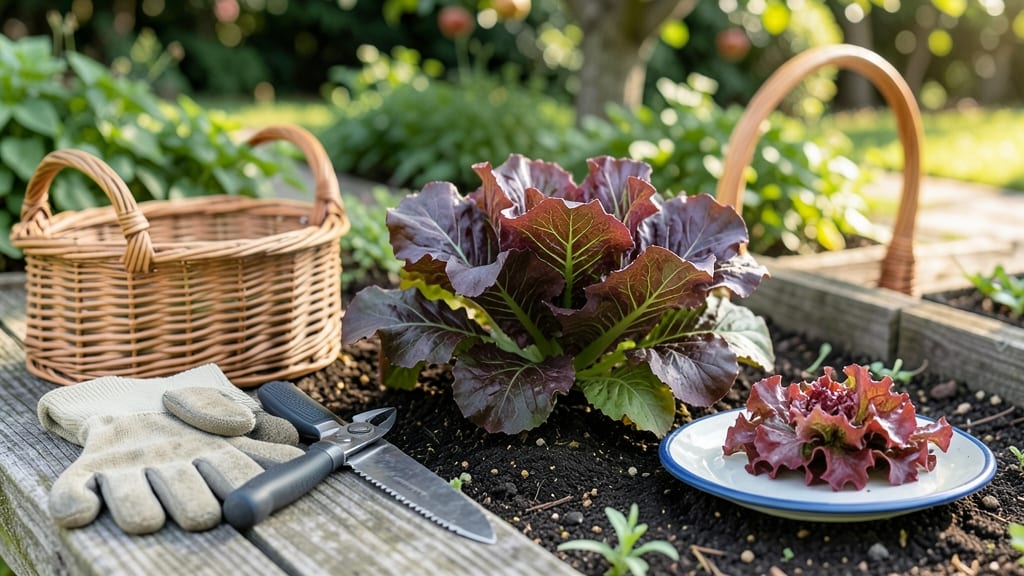
Harvesting red leaf lettuce 🥬 at the right time ensures tender, flavorful leaves without bitterness or wasted effort — and the secret is all in the timing.
Picture this: you’ve nurtured your red leaf lettuce for weeks, only to pull a leaf and find it tough or bitter. That’s the cost of waiting too long, but harvesting too early means smaller yields and missed opportunities.
The key is catching those outer leaves when they hit 4 inches — firm but still crisp, with vibrant red coloration.
Why does this matter? Because red leaf lettuce is a cut-and-come-again crop, meaning you can keep harvesting the same plant for weeks if done correctly. Miss the window, and you risk bolting (going to seed) or tough, unpalatable leaves.
Below, I’ll walk you through the exact steps to harvest, store, and encourage regrowth so your garden keeps producing fresh greens all season.
You’ll learn when to pick (and when to leave it be), the best tools to use, and how to avoid common mistakes that turn your lettuce into a sad, wilted mess. Let’s get started!


When and how to harvest red leaf lettuce for maximum yield
Harvesting red leaf lettuce at the perfect moment transforms your garden into a continuous salad bar. The key lies in patience and precision—waiting until the outer leaves reach 4 inches ensures tender, flavorful greens while leaving the inner leaves to keep growing.
This cut-and-come-again method maximizes your harvest without sacrificing plant health, giving you 3-4 harvest cycles per season if done correctly.
Timing your harvest isn’t just about leaf size—it’s also about seasonal conditions and plant maturity signs. In spring, aim for harvests when temperatures stay below 75°F, while fall harvests work best before first frost hits.
Overlooking these factors can turn your crisp lettuce into tough, bitter leaves faster than you think. Let’s break down the exact steps to harvest like a pro.
Step-by-Step Harvest Guide
- 1 Check leaf size: Harvest when outer leaves reach 4 inches long. Use a ruler or visually compare to a quarter-sized plate for reference.
- 2 Inspect leaf texture: Press a leaf gently—it should feel firm but pliable. Woody or rubbery leaves mean it’s past prime.
- 3 Gather tools: Use clean, sharp scissors or a knife with a 45-degree angle. Avoid dull tools that tear leaves.
- 4 Make precise cuts: Snip leaves 1 inch above the base, leaving the inner rosette intact. Angle cuts prevent water from pooling.
- 5 Harvest strategically: Start with outer leaves first to protect the center. Leave at least 3 inner leaves to keep the plant growing.
- 6 Post-harvest care: Water the base immediately after cutting and fertilize lightly with high-nitrogen fertilizer to encourage regrowth.
Proper cutting technique is everything—never pull leaves by hand, as this damages the plant’s stem and roots. Using sharp scissors or a clean knife ensures clean cuts that heal quickly, allowing your lettuce to bounce back faster.
I’ve found that harvesting in the early morning, when leaves are crisp and hydrated, yields the best quality. Avoid harvesting during peak afternoon heat, as this can stress the plant and lead to bolting.
Seasonal timing plays a crucial role in red leaf lettuce harvests. In spring, aim to harvest before temperatures exceed 70°F, as heat triggers bolting—the process where lettuce sends up a flower stalk, ruining its tender leaves.
For fall harvests, prioritize cutting before first frost (typically mid-October in USDA Zone 6a), but avoid harvesting when nighttime temps drop below 40°F, as cold can make leaves tough.
Watch for over-maturity signs like bitter taste, woody texture, or yellowing leaves. These indicate it’s past the ideal harvest window.
If you miss the boat, don’t despair—you can still salvage the plant by cutting it down to 1 inch above the soil and letting it regrow, though the quality may not be as premium. Regular harvesting every 7-10 days keeps your plants productive and prevents bolting.
To maximize yield, pair your harvests with proper post-harvest care. Rinse leaves gently in cool water to remove dirt, then pat dry with a clean towel or salad spinner.
Store harvested leaves in a plastic bag with a paper towel in the fridge, where they’ll stay crisp for 5-7 days. For long-term storage, consider freezing blanched leaves in ice cube trays for smoothies or cooked dishes later.
One of my favorite tricks for extended harvests is to use shade cloth during hot spells. When temps climb above 80°F, drape 30% shade cloth over the plants for a few hours to prevent bolting.
This simple step can add 2-3 extra weeks to your harvest season, giving you more time to enjoy fresh greens. Pair this with consistent watering (about 1 inch per week) and you’ll be set for a bountiful season.
Remember, red leaf lettuce is a cut-and-come-again crop, meaning it can regrow after harvesting if you leave the center intact. With the right techniques, you can enjoy continuous harvests for up to 60 days from a single planting.
The secret? Patience, precision, and proper care—your future salads will thank you.
Tips to extend red leaf lettuce harvests through multiple cuttings
To keep your red leaf lettuce producing crisp, flavorful leaves for weeks, you need to master the art of cut-and-come-again harvesting. This method lets you snip outer leaves while leaving the inner growth intact, allowing the plant to regenerate.
The key is timing—harvest when outer leaves reach 4-6 inches while inner leaves stay tender. This balance prevents bitterness and bolting while maximizing yield.
One of my top strategies is maintaining soil fertility with a high-nitrogen fertilizer (like 5-10-10) every 4-6 weeks. Lettuce is a heavy feeder, and nutrient-rich soil encourages continuous growth.
I always apply fertilizer in the early morning to avoid leaf burn and ensure nutrients are absorbed before the heat of the day.
Watering plays a crucial role too. Consistent moisture is essential, but overwatering can lead to root rot or fungal issues. I water deeply in the morning (before 10 AM) to reduce evaporation and fungal risk.
During hot summer months, I increase frequency to daily or every other day, but always check soil moisture first—stick your finger in the soil; if the top inch is dry, it’s time to water.
Here’s how to compare the two harvest methods to decide what works best for your garden:
Cut-and-Come-Again vs. Full-Head Harvest
- ✅ Prolonged harvests (weeks to months)
- ✅ Continuous yield of tender leaves
- ✅ Ideal for salads and small servings
- ❌ Requires frequent attention
- ❌ Risk of bolting if stressed
- ✅ Larger, mature leaves for cooking
- ✅ Single harvest with minimal regrowth
- ✅ Better for storage (lasts longer)
- ❌ Limited yield per plant
- ❌ No regrowth for future harvests
Choose cut-and-come-again for a steady supply of fresh greens or full-head harvest for larger, heartier leaves.
To prevent bolting (when lettuce prematurely goes to seed), provide afternoon shade during hot summer days. I use a lightweight shade cloth (30-50% shade) to protect my plants from intense sunlight. This simple step keeps your lettuce cool and prevents the bitter taste that comes with heat stress.
Pair this with companion planting—growing lettuce near carrots, radishes, or strawberries deters pests like aphids and slugs, which can damage leaves and reduce yield.
After harvesting, always leave the inner leaves intact to regrow. Avoid cutting more than one-third of the plant at a time, as this can stress the lettuce and stunt future growth.
If you notice leaves turning bitter or tough, it’s a sign to slow down harvesting and focus on soil care instead. With these strategies, you’ll enjoy a continuous harvest of red leaf lettuce for weeks!