
How To
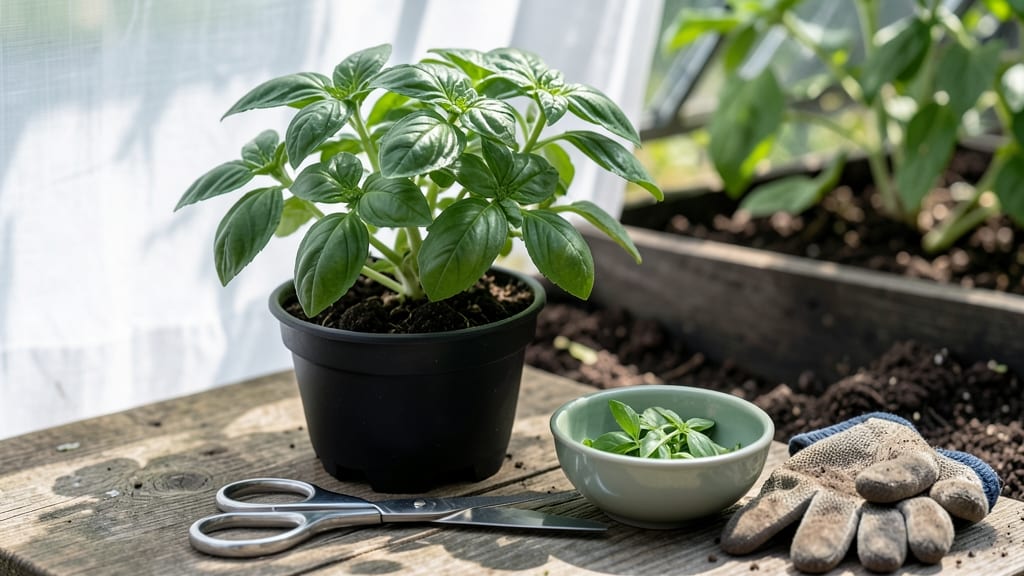
To harvest basil properly means snipping just above a leaf node to trigger regrowth—a simple technique that keeps your 🌿 thriving all season long.
Fresh basil isn’t just a pizza topping—it’s a powerhouse herb that thrives when harvested correctly, rewarding you with lush regrowth and endless culinary possibilities.
Most gardeners make the mistake of cutting too much at once, which stresses the plant and stunts future growth. Instead, focus on selective pruning—removing only the outer leaves while leaving the inner stems intact.
In this guide, I’ll walk you through the exact steps to harvest basil without harming your plant, from the best time of day to cut to how often you should repeat the process for a continuous yield.
When and how to harvest basil for maximum regrowth
Harvesting basil at the right time ensures your plant stays lush and productive for months. The key is patience—wait until your plant reaches 6-8 inches tall and has at least 6-8 pairs of leaves.
This signals the plant is mature enough to handle pruning while still encouraging vigorous regrowth. Early harvesting can stunt growth, so timing is everything for a continuous basil supply throughout the growing season.
Always harvest in the morning when essential oils are at their peak, giving your basil the best flavor and aroma. Avoid harvesting after heavy rain or late in the day, as moisture can stress the plant and reduce its ability to bounce back.
If you’re growing basil in containers, be extra gentle—root systems are more delicate, and overhandling can damage them.
Now, let’s dive into the step-by-step process for harvesting basil without sacrificing future growth. Follow these steps to keep your basil thriving and productive.
Seasonal timing plays a crucial role in basil harvests. In spring and early summer, when growth is rapid, you can harvest every 2-3 weeks. However, as temperatures rise in late summer, basil may slow down.
Reduce harvesting frequency to every 4-6 weeks and focus on maintaining plant health rather than heavy yields.
For container-grown basil, harvest slightly less aggressively than in-ground plants. Containers have limited root space, so pruning too much can stress the plant. After each harvest, give your basil a light fertilizer dose (like a diluted 10-10-10 mix) to replenish nutrients and encourage faster regrowth.
If your basil starts to look leggy or sparse, it’s a sign you’ve been harvesting too much or not enough. Trim back overgrown stems to encourage bushier growth and improve air circulation. This pruning technique also helps prevent fungal diseases like powdery mildew, which thrive in dense, humid foliage.
Pro tip: Harvest regularly throughout the growing season to prevent your basil from becoming woody or bitter. Woody stems indicate the plant is past its prime, and leaves will lose their signature sweet flavor.
With the right timing and techniques, your basil can produce harvests for 3-4 months or longer, depending on your climate.
Always store harvested basil properly to preserve its freshness. Rinse leaves in cool water, pat dry, and store them in a sealed container with a paper towel to absorb excess moisture. For long-term storage, consider freezing or drying your harvest to enjoy basil all year round.
With these techniques, your basil will stay healthy, productive, and flavorful all season long. Happy harvesting! 🌿✂️💧
Basil harvesting mistakes that kill your plant (and how to avoid them)
Even the most eager gardeners can accidentally stunt their basil growth with poor harvesting techniques. I’ve seen woody stems and stunted regrowth from these common mistakes—all preventable with the right approach.
First, many people cut stems too close to the base, removing the plant’s growth points. Others harvest only the largest leaves, leaving smaller ones that never mature. Both approaches weaken your basil instead of encouraging it.
Another frequent error is using dull scissors or pinching leaves by hand, which crush stems and invite disease. Even well-meaning gardeners overlook the morning harvest window, when essential oils peak for maximum flavor.
Let me show you exactly what to avoid—and how to harvest basil the right way for a continuous yield all season.
⚠️ 3 Harvesting Mistakes That Ruin Your Basil
- Over-pruning: Never remove more than 1/3 of the plant at once—this stresses basil and halts regrowth.
- Wrong leaf selection: Avoid cutting lower leaves only—always harvest from the outer stems to encourage bushier growth.
- Improper tools: Never use dull scissors or fingers—always snip with clean, sharp pruners at a 45° angle.
🌿 Pro Tip: Harvest in the morning after dew dries but before 10 AM for the freshest flavor and healthiest plant.
One of the biggest mistakes is harvesting flowering basil. Those delicate white blooms might look pretty, but they signal the plant to shift energy from leaves to seeds. Always snip off flower buds as soon as they appear to keep your basil producing flavorful leaves.
Another silent killer is harvesting too late in the season. Once temperatures drop below 50°F (10°C), basil’s growth slows. If you wait until fall to harvest, you’ll end up with bitter, woody stems instead of tender leaves.
For maximum regrowth, focus on selective pruning—always cut just above a leaf node (where leaves meet the stem). This simple technique tells the plant to branch out, creating a bushier, more productive basil plant that keeps yielding all season.