
How To
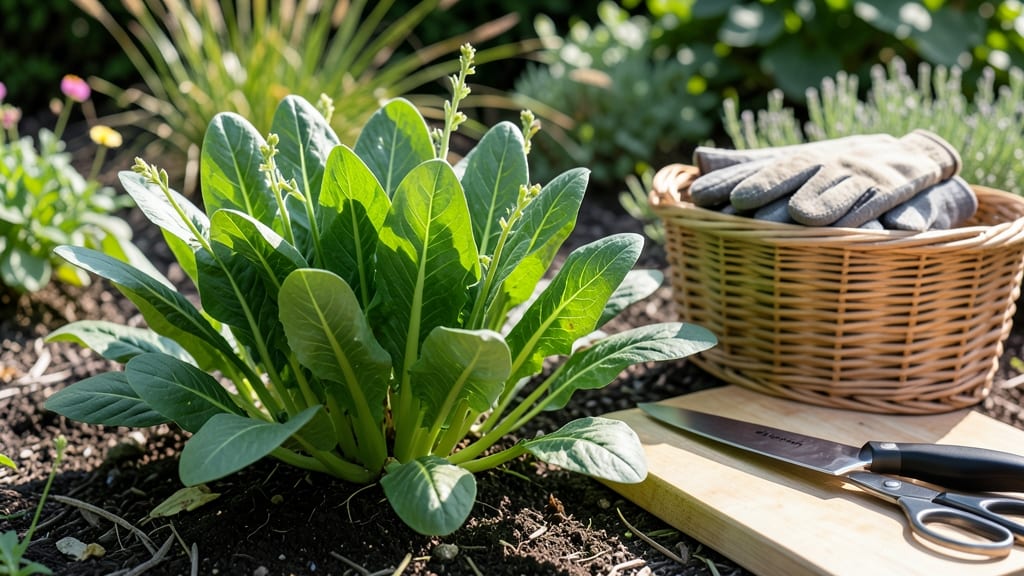
To harvest bib lettuce at its crispest, focus on leaf size, color, and texture—these three cues tell you exactly when to pick for peak flavor.
Bib lettuce thrives when harvested at the right time—too early, and you sacrifice flavor and growth; too late, and your crisp leaves turn bitter. Mastering these 3 key signs will help you enjoy homegrown lettuce at its peak, ensuring a steady supply of fresh, tender greens all season long.
Start by checking for leaves that are 4-6 inches long and fully expanded, with a vibrant green color and firm texture. These are your visual clues that the lettuce is ready to be picked without compromising future harvests.
In this guide, I’ll walk you through the best techniques for harvesting, including when to cut versus pluck, plus tips to keep your bib lettuce 🥬 producing fresh leaves all season.
3 Clear signs bib lettuce is ready for harvest (with visual cues)
Harvesting bib lettuce at the right moment transforms your garden into a crisp, flavorful salad source. Unlike loose-leaf varieties, bib lettuce forms compact heads with tender inner leaves and sturdy outer leaves.
The key is catching these heads when they’re fully mature but still crisp and sweet, not bitter or woody. I’ve learned that waiting too long turns vibrant green leaves into tough, yellowing messes—so timing is everything.
To avoid this common mistake, focus on three visual cues: leaf size, color, and texture. These signs work for both container-grown and in-ground bib lettuce.
For example, my Buttercrunch variety always hits peak flavor when the outer leaves reach 4-6 inches long, but the inner leaves stay tender and sweet. Let’s break down each clue so you can harvest with confidence.
🌱 Pro Tip: Always harvest in the morning when leaves are cool and crisp. This prevents wilting and preserves flavor longer.
The leaf size is your first clue—when outer leaves reach 4-6 inches, they’re ready to harvest. I test this by comparing them to my standard salad plate (about 10 inches wide).
If the lettuce head is roughly half that size, it’s prime. For container gardens, this often happens 35-45 days after planting, depending on your climate.
Next, check the color. Ready-to-harvest bib lettuce should be a uniform deep green, not pale or yellowing. Last summer, my Romaine variety turned yellow too soon because I forgot to provide afternoon shade.
The fix? Use a lightweight shade cloth (30-50%) during peak sun hours. This simple trick kept my lettuce vibrant for weeks longer.
Finally, test the texture by gently squeezing a leaf. It should feel crisp and firm, like a fresh carrot. If it collapses under pressure, it’s underripe. If it feels tough or leathery, you’ve missed the window.
I always harvest a few leaves for a quick taste test—this is the best way to confirm sweetness and crunch.
One mistake I made early on was harvesting by pulling the whole head. This shocks the plant and ends growth. Instead, use a sharp knife or clean scissors to cut outer leaves at the base, leaving the inner leaves to keep growing.
This method gives you continuous harvests for 2-3 weeks per plant. For example, my Little Gem variety produced three harvests before bolting.
If you’re growing bib lettuce in hot climates, watch for bolting (premature flowering). This happens when days get long, and the plant senses it’s time to reproduce. To delay bolting, choose heat-tolerant varieties like Jericho or Black Seeded Simpson, and always keep the soil consistently moist.
I’ve successfully extended my harvest season by 4-6 weeks using these tricks.
For container growers, harvest timing works the same, but pay extra attention to root crowding. If your bib lettuce is growing in a 5-gallon pot, you’ll need to harvest more frequently to prevent stress.
I repot mine into 7-gallon containers once the heads form to give roots more space. This small adjustment makes a big difference in yield and flavor.
Remember, the morning harvest is your best friend. Leaves are cool and hydrated, making them ideal for salads or storage. After harvesting, rinse the leaves gently with cool water and pat dry
Step-by-step harvesting techniques to preserve lettuce growth
Harvesting bib lettuce correctly ensures you get crisp, flavorful leaves while keeping your plants healthy and productive. The key is to use the right technique—whether you're cutting or plucking—to avoid damaging the plant's growth center.
I've found that timing and method make all the difference in maintaining a steady supply of fresh greens.
Start by choosing the right time of day for harvesting. Early morning is ideal because the leaves are most hydrated and crisp. Avoid harvesting in the afternoon when temperatures rise, as this can cause the lettuce to wilt quickly. This simple adjustment preserves both flavor and texture for longer storage.
Now, let's dive into the proven harvesting methods that keep your bib lettuce thriving. The right approach depends on whether you're harvesting individual leaves or the entire head. Here's how to do it without shocking your plants:
How to Harvest Bib Lettuce
- 1 Gather your tools: Use clean, sharp scissors or pruning shears to avoid tearing leaves. A small knife works too, but always sanitize tools between uses to prevent disease spread.
- 2 Harvest outer leaves first: For continuous growth, cut or pluck the largest, most mature outer leaves. This method allows the inner leaves to keep growing while you enjoy fresh greens regularly.
- 3 Cut at the base: Make a clean cut just above the lowest set of leaves. This encourages new growth from the center. Avoid pulling leaves, as this can damage the plant's root system.
- 4 Leave the inner leaves: Never remove more than one-third of the plant at a time. This ensures the remaining leaves can continue photosynthesizing and supporting new growth.
- 5 Harvest regularly: Check your lettuce every 2-3 days during peak growing season. Consistent harvesting prevents bolting and encourages a longer harvest window.
- 6 Adjust for seasons: In hot weather, harvest more frequently to prevent bolting. In cooler months, you can space harvests out slightly as growth slows naturally.
After harvesting, rinse your lettuce leaves under cool water to remove dirt and debris. Gently shake off excess water and pat dry with a clean towel or paper towel.
This step is crucial for preserving freshness and preventing spoilage. Store harvested leaves in an airtight container lined with a paper towel to absorb moisture.
For a continuous harvest, consider succession planting every 2-3 weeks. This ensures you always have fresh bib lettuce ready to pick, even as older plants mature. With the right techniques, you can enjoy homegrown lettuce for months, making your garden both productive and rewarding.
Remember, the goal is to balance harvest and growth. By following these steps, your bib lettuce will keep producing crisp, flavorful leaves all season long. Happy harvesting! 🥬